

9 min read • 1,844 words
The Most Effective Strategies for Staying Productive and Focused
In today’s fast-paced world, mastering effective productivity strategies is essential for achieving both personal and professional goals. With constant distractions and an overwhelming amount of tasks, many individuals struggle to maintain focus and efficiency. This article delves into proven techniques that can help you enhance your productivity and stay on track. By implementing these strategies, you can transform your work habits and achieve more in less time.
Readers will learn about the importance of setting specific goals, which can significantly enhance focus and productivity. Additionally, we will explore how taking regular breaks can improve mental clarity and overall output. Techniques like the Pomodoro Technique will be discussed, along with the benefits of eliminating distractions and prioritizing tasks through effective to-do lists. By the end of this article, you will be equipped with actionable insights to boost your productivity and focus.
Understanding Productivity
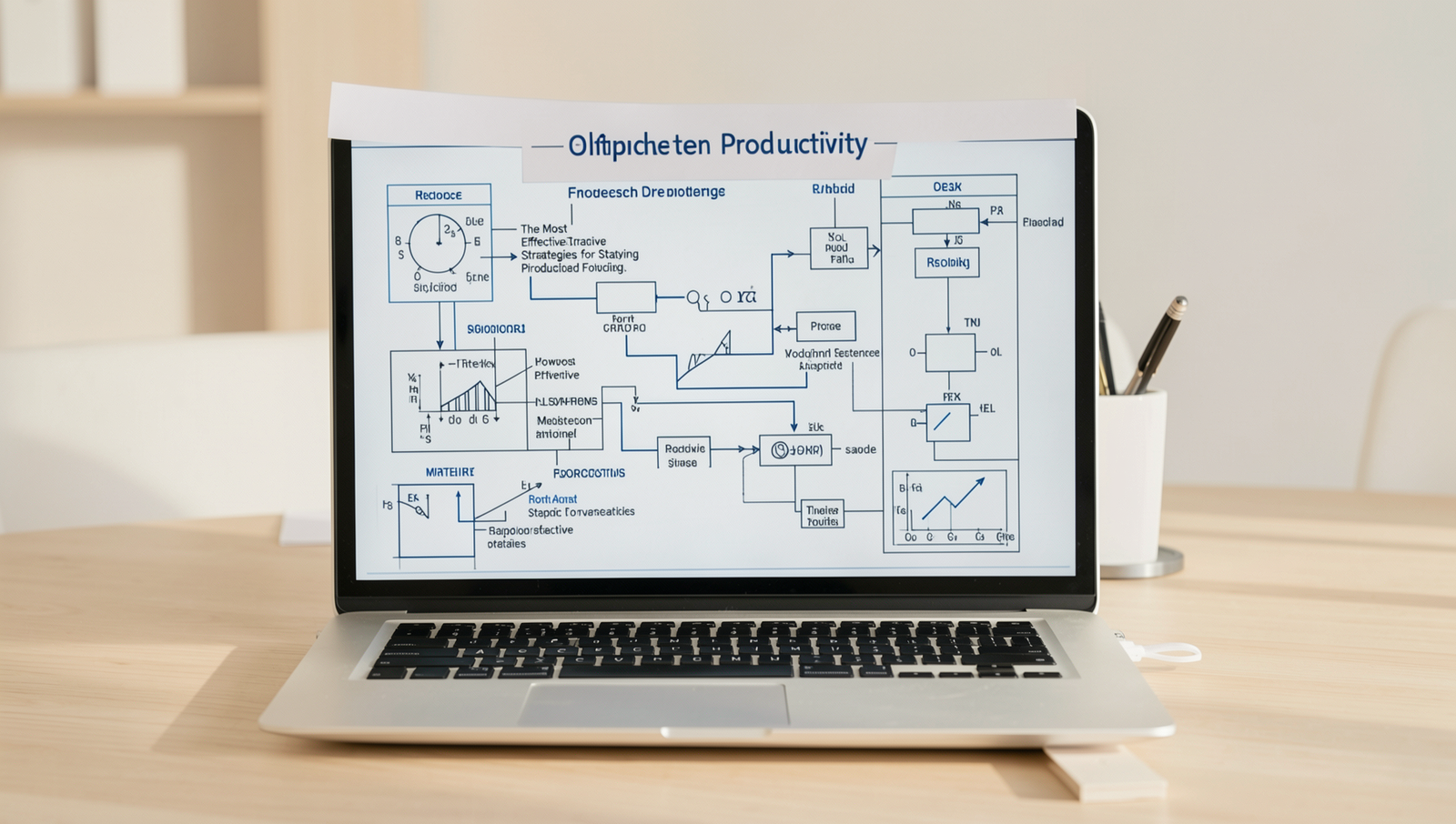
Productivity is often defined as the measure of how efficiently and effectively one can accomplish tasks and achieve goals. In both personal and professional realms, productivity is crucial as it directly impacts success, satisfaction, and overall well-being. When individuals are productive, they can manage their time better, reduce stress, and create a sense of accomplishment, which can lead to greater motivation and engagement in their activities.
However, several common barriers can hinder productivity and focus. These include distractions from technology, lack of clear goals, poor time management, and even physical and mental fatigue. For instance, constantly checking emails or social media can fragment attention, making it difficult to concentrate on important tasks. Additionally, without specific objectives, individuals may find themselves working hard but not making meaningful progress.
Time management plays a pivotal role in enhancing productivity. By organizing tasks and prioritizing them effectively, individuals can allocate their time to what truly matters. Techniques such as the Pomodoro Technique, where one works in focused bursts followed by short breaks, can help maintain concentration and prevent burnout. Another effective strategy is to create a daily or weekly planner that outlines tasks, deadlines, and priorities.
- Set specific, achievable goals.
- Eliminate distractions by creating a dedicated workspace.
- Use tools like calendars and task lists to stay organized.
Implementing these effective productivity strategies not only leads to better outcomes but also fosters a more balanced and fulfilling life.
Setting Clear Goals
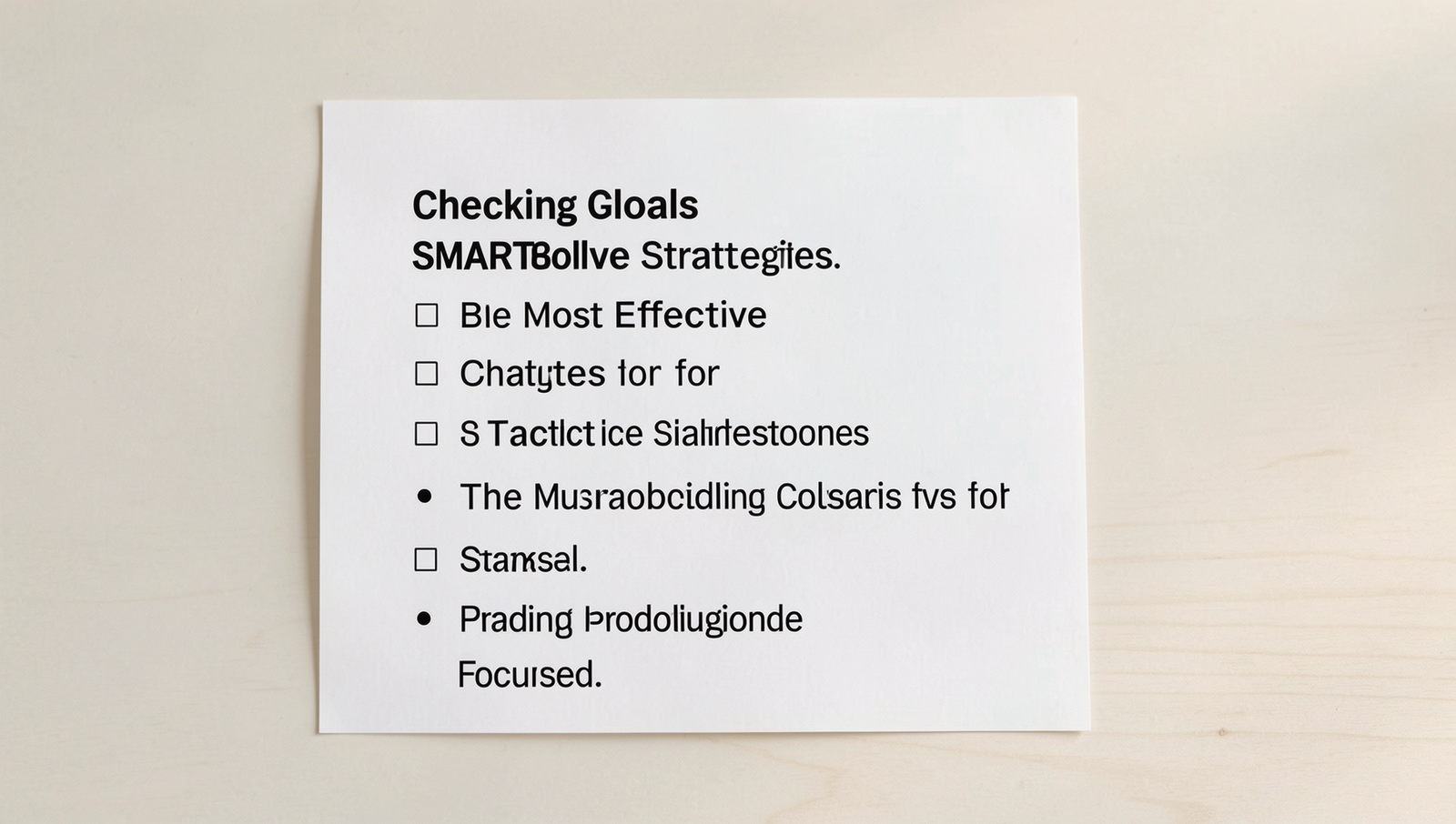
One of the most effective productivity strategies is setting clear and achievable goals. Utilizing the SMART criteria can significantly enhance your goal-setting process. SMART stands for Specific, Measurable, Achievable, Relevant, and Time-bound. For instance, instead of saying, “I want to get fit,” a SMART goal would be, “I will exercise for 30 minutes, five times a week for the next three months.” This specificity helps in tracking progress and maintaining motivation.
It’s essential to balance both short-term and long-term goals. Short-term goals serve as stepping stones that lead to the achievement of long-term objectives. For example, if your long-term goal is to write a book, a short-term goal could be to write 500 words daily. This approach not only breaks down larger tasks into manageable parts but also provides a sense of accomplishment along the way.
- Write down your goals to enhance commitment.
- Use visual aids like charts or boards to track progress.
- Share your goals with a friend or mentor for accountability.
Regularly reviewing and adjusting your goals is crucial for sustained productivity. Life circumstances change, and so should your goals. Set aside time weekly or monthly to evaluate what’s working and what isn’t. This practice ensures that your goals remain relevant and aligned with your current priorities, ultimately enhancing your focus and productivity.

Creating an Optimal Work Environment
Creating an optimal work environment is crucial for implementing effective productivity strategies. The right workspace can significantly enhance focus and efficiency, allowing individuals to perform at their best. Key elements to consider when designing a productive workspace include:
- Lighting: Natural light is ideal, as it boosts mood and energy levels. If natural light isn’t available, consider using bright, adjustable artificial lighting to reduce eye strain.
- Ergonomics: Invest in a comfortable chair and desk that promote good posture. An ergonomic setup can prevent discomfort and fatigue, enabling longer periods of focused work.
- Organization: A clutter-free workspace helps minimize distractions. Use organizers, shelves, and filing systems to keep essential items within reach while maintaining an orderly environment.
The impact of organization on focus cannot be overstated. A well-organized workspace allows for quick access to necessary tools and resources, reducing the time spent searching for items. This efficiency fosters a smoother workflow and enhances concentration on tasks at hand.
To minimize distractions in your work environment, consider the following strategies:
- Set boundaries with colleagues or family members to limit interruptions.
- Use noise-canceling headphones or soft background music to drown out distracting sounds.
- Establish a designated work area that signals to others that you are in a focused mode.
Finally, personalizing your workspace can also contribute to a productive atmosphere. Incorporate elements that inspire you, such as motivational quotes, plants, or artwork. A space that reflects your personality can enhance your mood and drive, making it easier to stay focused and productive.
Time Management Techniques
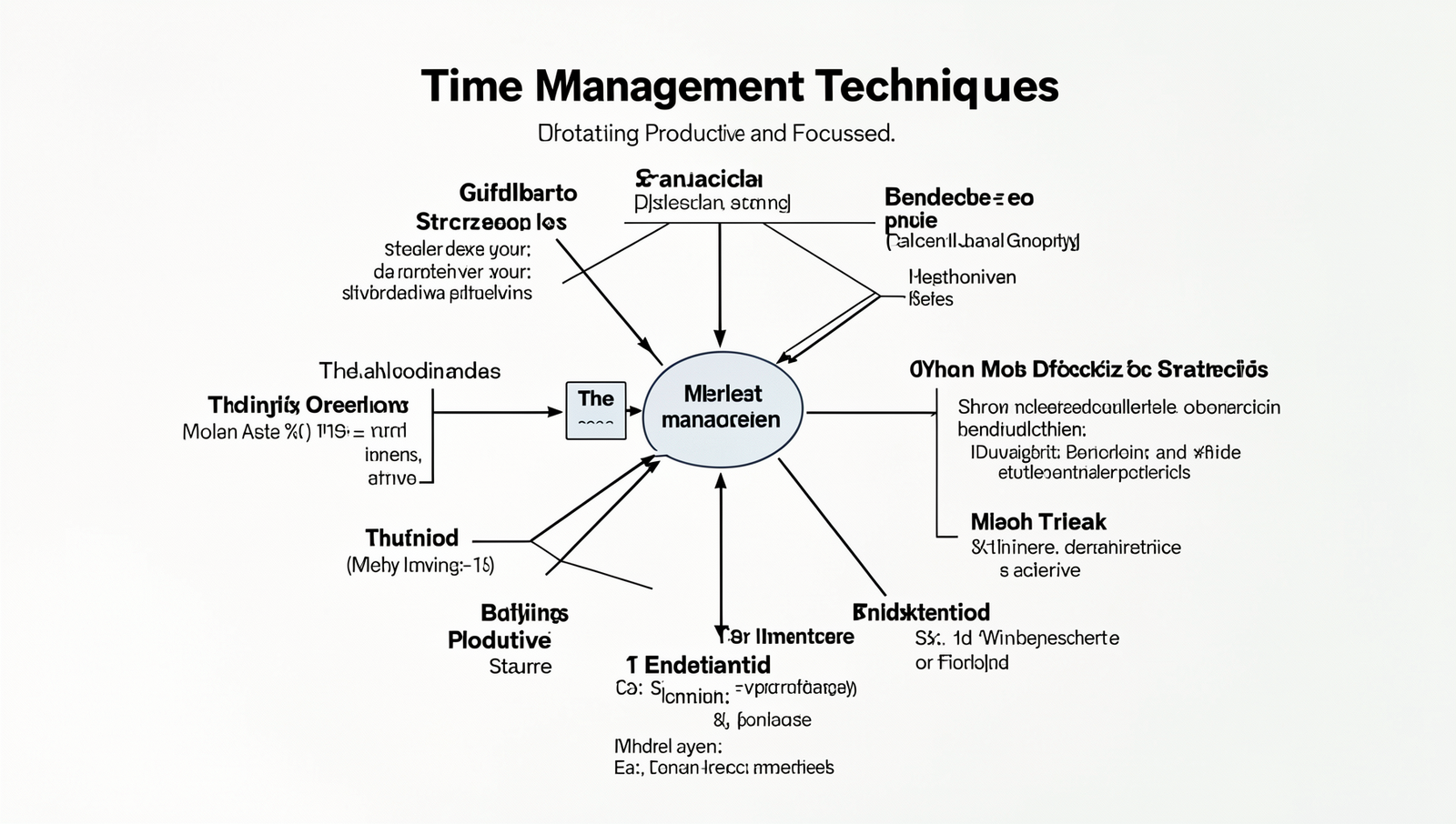
Effective productivity strategies often hinge on how well we manage our time. One popular method is the Pomodoro Technique, which involves breaking work into intervals, traditionally 25 minutes in length, separated by short breaks. This approach not only helps maintain focus but also reduces mental fatigue. After completing four Pomodoros, a longer break of 15-30 minutes is recommended. This cycle encourages sustained concentration while allowing for necessary rest, ultimately enhancing overall productivity.
Another valuable tool for prioritizing tasks is the Eisenhower Matrix. This technique categorizes tasks into four quadrants based on urgency and importance:
- Quadrant 1: Urgent and Important (do these tasks immediately)
- Quadrant 2: Important but Not Urgent (schedule these tasks)
- Quadrant 3: Urgent but Not Important (delegate these tasks)
- Quadrant 4: Not Urgent and Not Important (eliminate these tasks)
This matrix helps individuals focus on what truly matters, ensuring that time is spent on high-impact activities.
Time blocking is another effective strategy that involves scheduling specific blocks of time for different tasks or activities throughout the day. By allocating dedicated time slots for focused work, meetings, and breaks, individuals can minimize distractions and enhance their concentration. This structured approach allows for better planning and ensures that important tasks receive the attention they deserve.
To implement these time management techniques, various tools and apps can be beneficial. Popular options include Trello for task organization, Todoist for to-do lists, and Focus@Will for background music that enhances concentration. These resources can help streamline your workflow and keep you on track with your productivity goals.

Developing Healthy Habits
To achieve effective productivity strategies, it is crucial to develop healthy habits that support sustained focus and energy throughout the day. One of the most important aspects of maintaining concentration is taking regular breaks. Studies have shown that working for extended periods without rest can lead to mental fatigue and decreased efficiency. Implementing the Pomodoro Technique, which involves working for 25 minutes followed by a 5-minute break, can significantly enhance focus and productivity. During these breaks, it is beneficial to step away from your workspace, stretch, or engage in a quick physical activity to recharge your mind.
Physical health plays a vital role in productivity as well. Regular exercise not only boosts energy levels but also improves mood and cognitive function. Incorporating activities such as brisk walking, cycling, or yoga into your daily routine can lead to better focus and overall well-being. Additionally, nutrition cannot be overlooked; a balanced diet rich in fruits, vegetables, whole grains, and lean proteins fuels the brain and body, providing the necessary nutrients for optimal performance.
Mindfulness and meditation are powerful tools that can enhance concentration and reduce stress. Practicing mindfulness involves being fully present in the moment, which can help clear distractions and improve mental clarity. Even a few minutes of meditation each day can lead to increased awareness and focus. Consider starting with guided meditation apps or simple breathing exercises to cultivate this habit.
- Take regular breaks to prevent burnout.
- Incorporate physical activity into your daily routine.
- Maintain a balanced diet for sustained energy.
- Practice mindfulness and meditation to enhance focus.

Leveraging Technology for Productivity
In today’s fast-paced world, leveraging technology is essential for implementing effective productivity strategies. Numerous productivity apps and tools can help individuals manage their tasks more efficiently. For instance, applications like Todoist and Trello allow users to create to-do lists, set deadlines, and prioritize tasks. These platforms provide visual representations of progress, making it easier to stay on track and focused.
Another significant aspect of enhancing productivity is automation. By automating repetitive tasks, individuals can save valuable time and mental energy. Tools such as Zapier and IFTTT enable users to connect different applications and automate workflows. For example, you can set up an automation that saves email attachments directly to your cloud storage, eliminating the need for manual downloads. This not only streamlines processes but also reduces the likelihood of errors.
Digital decluttering is equally important for maintaining focus. A cluttered digital workspace can lead to distractions and decreased productivity. Regularly organizing files, unsubscribing from unnecessary emails, and limiting notifications can create a more conducive environment for concentration. Consider using tools like Evernote or Notion to keep notes and documents organized in one place.
Lastly, collaboration tools such as Slack and Microsoft Teams foster teamwork and communication, which are vital for productivity. These platforms allow for real-time discussions, file sharing, and project management, making it easier for teams to stay aligned and productive. By integrating these technologies into your daily routine, you can significantly enhance your productivity and focus.
Conclusion
In summary, implementing effective productivity strategies can significantly enhance your focus and overall efficiency. By prioritizing tasks, setting specific goals, and utilizing techniques such as the Pomodoro Technique or time blocking, you can create a structured environment that fosters concentration. Additionally, minimizing distractions and taking regular breaks are crucial for maintaining mental clarity and energy throughout the day. These strategies not only help in managing time better but also contribute to a more fulfilling work experience.
As you move forward, consider integrating these effective productivity strategies into your daily routine. Start by identifying which methods resonate with you and tailor them to fit your personal workflow. Regularly assess your progress and make adjustments as needed to ensure continuous improvement. By committing to these practices, you will not only boost your productivity but also cultivate a healthier work-life balance, leading to long-term success and satisfaction in your endeavors.
Frequently Asked Questions
What are some effective time management techniques?
Effective time management techniques include prioritizing tasks using methods like the Eisenhower Matrix, setting specific deadlines, and breaking projects into smaller, manageable steps. Utilizing tools such as calendars