
9 min read • 1,839 words
Edge Computing and Its Growing Role in Modern Technology
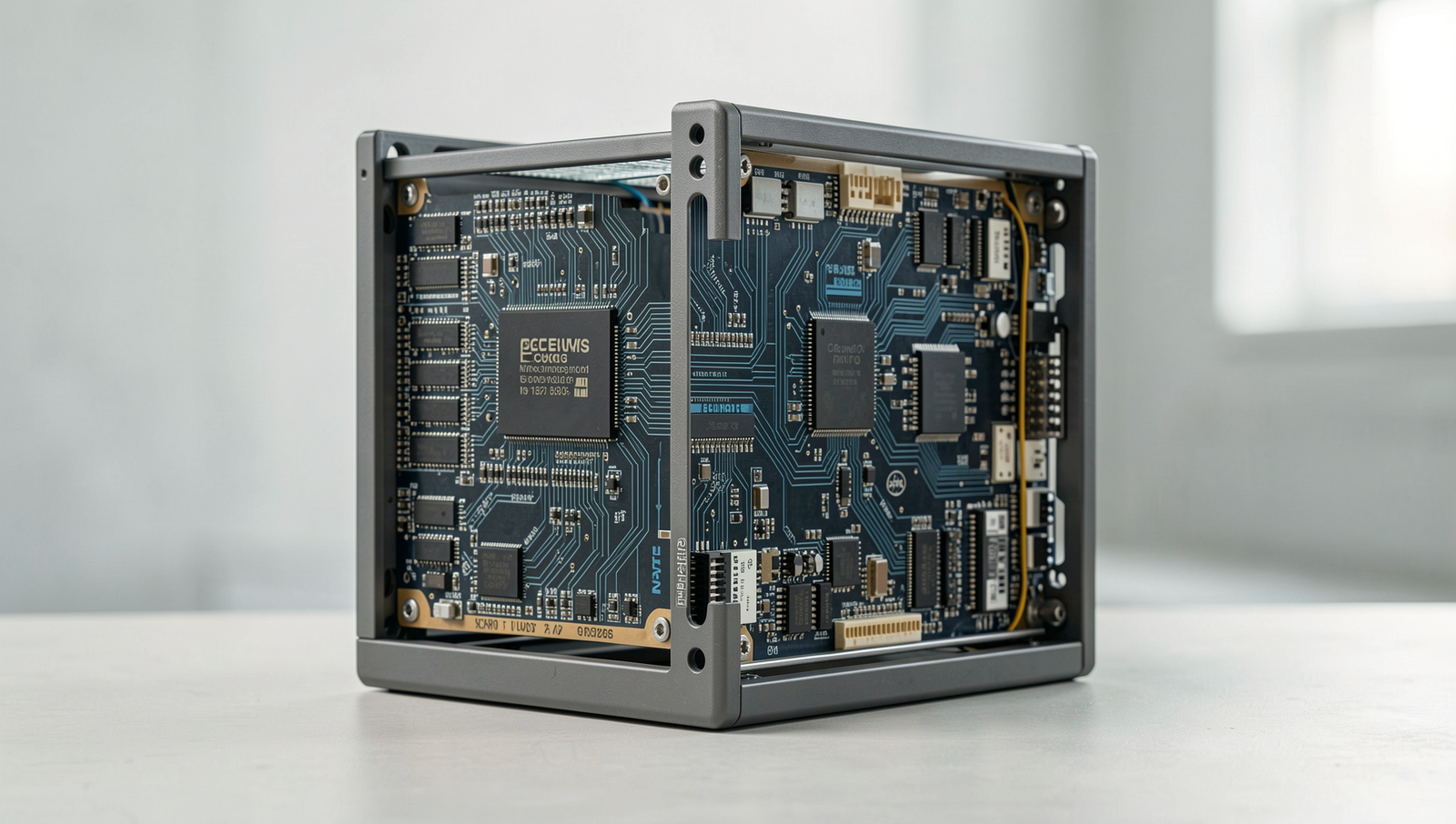
In today’s fast-paced digital landscape, edge computing is emerging as a transformative force in technology. By processing data closer to its source, edge computing significantly reduces latency, which is crucial for applications that require real-time data processing, such as Internet of Things (IoT) devices, autonomous vehicles, and smart cities. This shift not only enhances efficiency but also improves user experiences by delivering faster responses and minimizing delays.
Moreover, edge computing plays a vital role in enhancing data security. By limiting the amount of data transferred to centralized servers, it reduces the risk of data breaches and unauthorized access. As the global edge computing market is projected to reach $43.4 billion by 2027, understanding its implications and benefits is essential for businesses and individuals alike. In this article, readers will explore the significance of edge computing and its impact on modern technology, providing insights into how it shapes our connected world.
Introduction to Edge Computing
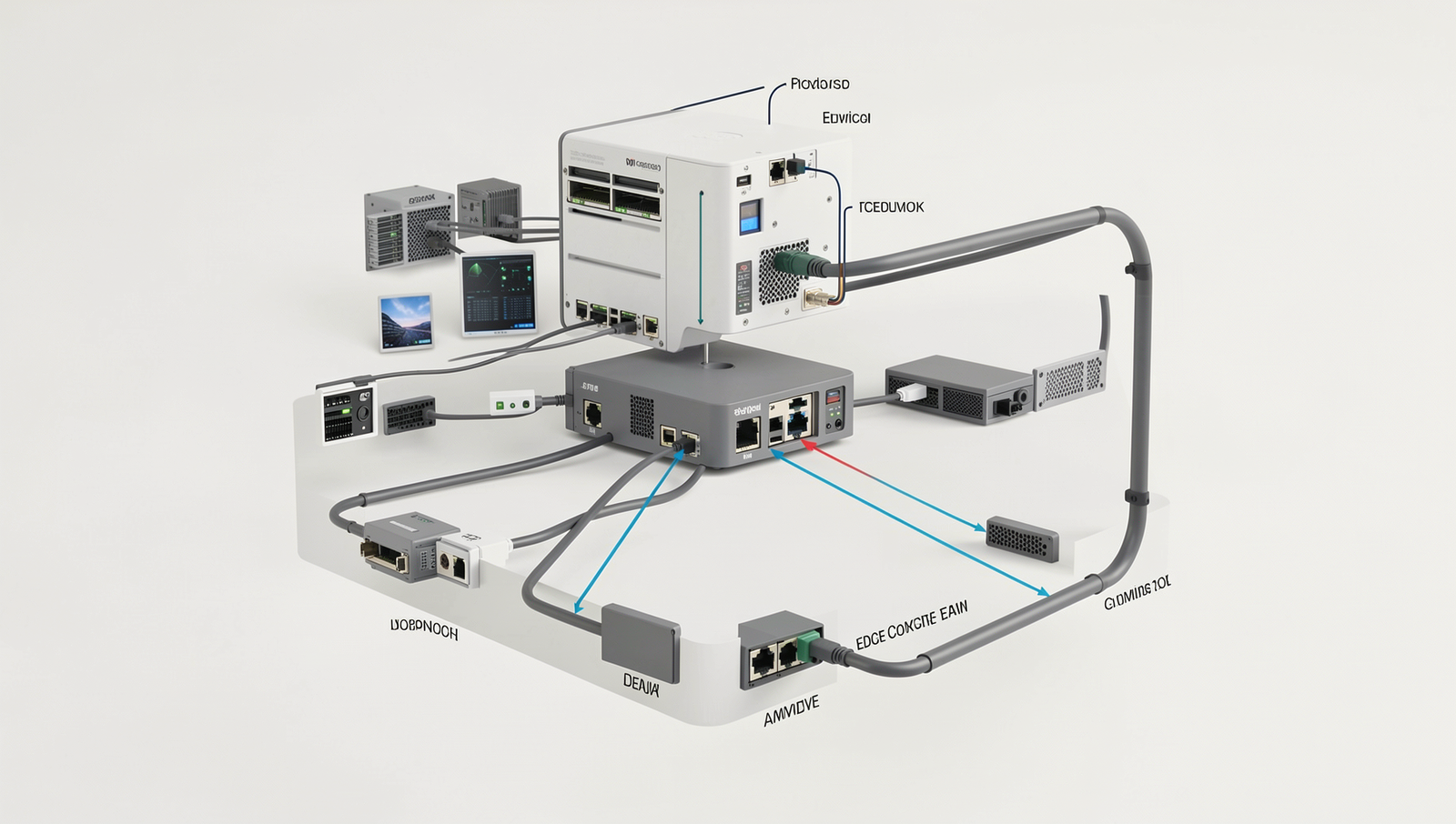
Edge computing refers to the practice of processing data closer to the source of data generation rather than relying solely on centralized cloud servers. This approach significantly reduces latency, enhances speed, and improves the overall efficiency of data handling. As the Internet of Things (IoT) continues to expand, the significance of edge computing has grown, enabling real-time data processing and analysis in various applications.
In contrast to traditional cloud computing, where data is sent to a centralized location for processing, edge computing allows for localized processing. This means that data can be analyzed and acted upon immediately, which is crucial for applications requiring instant responses, such as autonomous vehicles and smart manufacturing systems. The differences can be summarized as follows:
- Latency: Edge computing minimizes latency by processing data closer to the source.
- Bandwidth: Reduces the amount of data sent to the cloud, conserving bandwidth.
- Reliability: Local processing can continue even if connectivity to the cloud is lost.
The architecture of edge computing typically consists of three layers: the device layer, the edge layer, and the cloud layer. The device layer includes IoT devices that generate data, the edge layer processes this data locally, and the cloud layer provides additional storage and processing capabilities when needed.
Several key drivers are propelling the adoption of edge computing, including the increasing demand for real-time data processing, the proliferation of IoT devices, and the need for enhanced security measures. As industries continue to evolve, edge computing is poised to play a pivotal role in shaping the future of technology.
Key Technologies Enabling Edge Computing
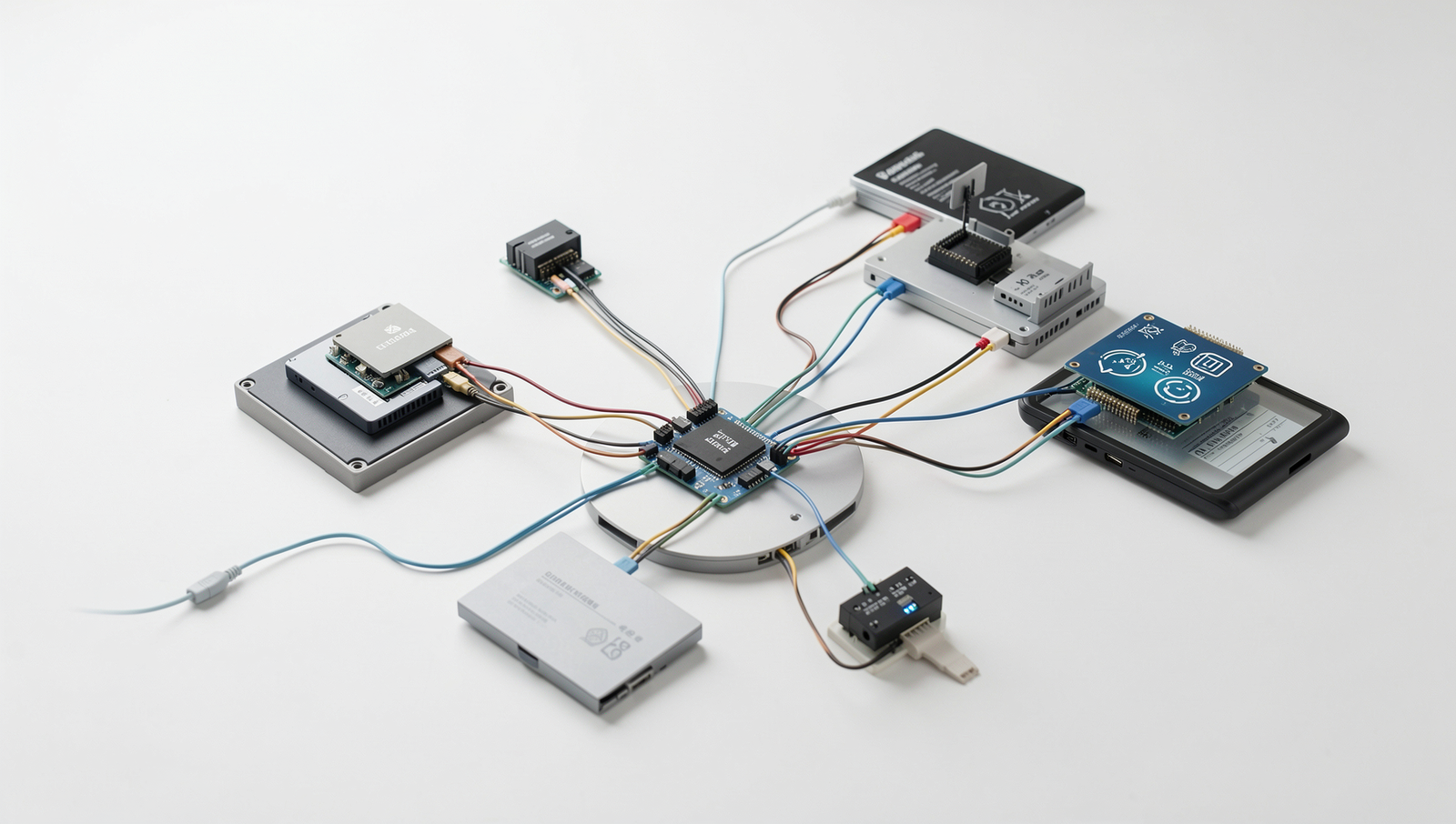
Edge computing is revolutionizing the way data is processed and utilized, primarily due to several key technologies that are driving its adoption. One of the most significant contributors is the proliferation of Internet of Things (IoT) devices. These devices generate vast amounts of data at the edge of networks, allowing for real-time processing and analysis. For instance, smart sensors in manufacturing can monitor equipment performance and predict failures before they occur, significantly reducing downtime and maintenance costs.
Another critical technology is the rollout of 5G networks, which dramatically enhances connectivity and reduces latency. With 5G, data can be transmitted at lightning speeds, enabling applications that require immediate responses, such as autonomous vehicles and remote surgeries. The low latency of 5G networks ensures that data processed at the edge is timely, which is essential for applications where every millisecond counts.
Artificial Intelligence (AI) is also playing a pivotal role in edge computing. By deploying AI algorithms directly on edge devices, organizations can analyze data locally rather than sending it to centralized cloud servers. This not only speeds up decision-making but also reduces bandwidth usage. For example, AI-powered cameras in retail can analyze customer behavior in real-time, allowing for personalized marketing strategies.
Furthermore, the data processing and analytics capabilities at the edge are becoming increasingly sophisticated. Edge devices can now perform complex computations and analytics, enabling businesses to derive insights without relying heavily on cloud infrastructure. This capability is particularly beneficial in sectors like healthcare, where patient data can be processed on-site, ensuring privacy and compliance with regulations.
Applications of Edge Computing
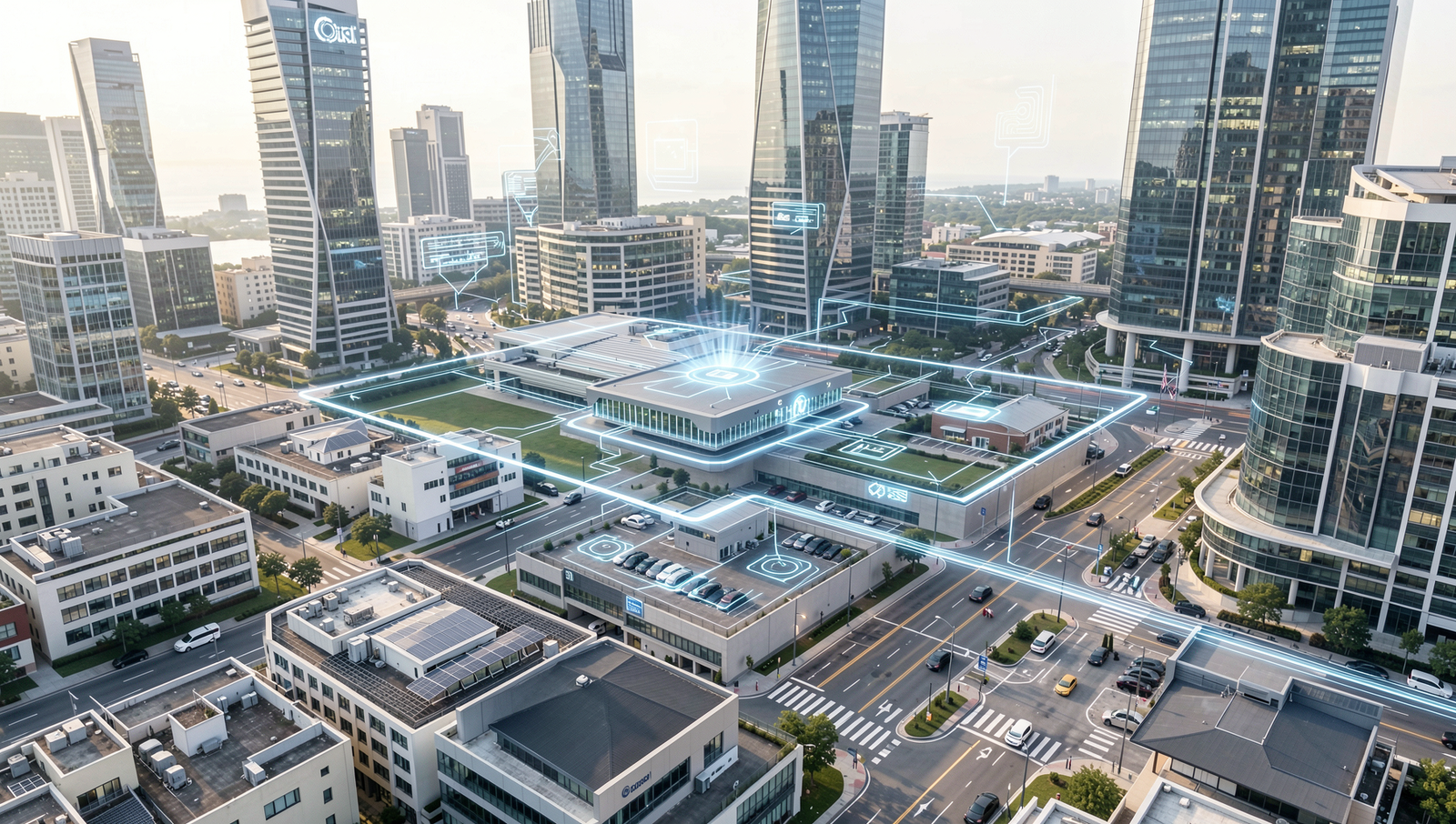
Edge computing is transforming various sectors by enabling data processing closer to the source of data generation. This shift is particularly impactful in smart cities and infrastructure management, where real-time data analysis is crucial. For instance, traffic management systems utilize edge computing to process data from sensors and cameras, allowing for immediate adjustments to traffic signals and reducing congestion. Additionally, smart waste management systems can monitor bin levels and optimize collection routes, enhancing efficiency.
In the healthcare sector, edge computing plays a vital role in remote monitoring and patient care. Wearable devices can collect health data, such as heart rate and glucose levels, and process this information on-site. This allows healthcare providers to receive real-time updates and alerts, enabling timely interventions. For example, a patient with a chronic condition can be monitored continuously, reducing the need for frequent hospital visits and improving overall care.
Autonomous vehicles are another area where edge computing is essential. These vehicles rely on real-time data processing to navigate safely and efficiently. By analyzing data from various sensors, such as LIDAR and cameras, edge computing enables vehicles to make split-second decisions, enhancing safety and performance on the road.
Finally, in the realm of Industrial IoT, edge computing facilitates predictive maintenance. By analyzing data from machinery and equipment in real-time, companies can predict failures before they occur, reducing downtime and maintenance costs. This proactive approach not only improves operational efficiency but also extends the lifespan of equipment.
Challenges and Limitations of Edge Computing
While edge computing offers numerous advantages, it also presents several challenges and limitations that organizations must address to fully leverage its potential. One of the primary concerns is security and privacy. As data is processed closer to the source, sensitive information may be exposed to vulnerabilities. For instance, if an edge device is compromised, attackers could gain access to critical data before it is transmitted to a centralized cloud. Organizations must implement robust security measures, such as encryption and regular updates, to mitigate these risks.
Another significant challenge is data management and storage. Edge devices often have limited storage capacity, which can lead to difficulties in handling large volumes of data generated by IoT devices. For example, a smart factory may produce terabytes of data daily, necessitating efficient data filtering and storage solutions to avoid overwhelming the edge infrastructure. Without proper data management strategies, organizations may struggle to derive meaningful insights from their data.
Interoperability between devices and platforms is also a critical issue. Many edge computing solutions involve a variety of devices from different manufacturers, each with its own protocols and standards. This lack of standardization can hinder seamless communication and data exchange. To overcome this, organizations should adopt open standards and frameworks that promote compatibility.
Finally, scalability challenges can arise in edge deployments. As the number of devices increases, managing and scaling edge infrastructure can become complex. Organizations must plan for future growth and ensure that their edge computing architecture can accommodate additional devices without significant performance degradation.
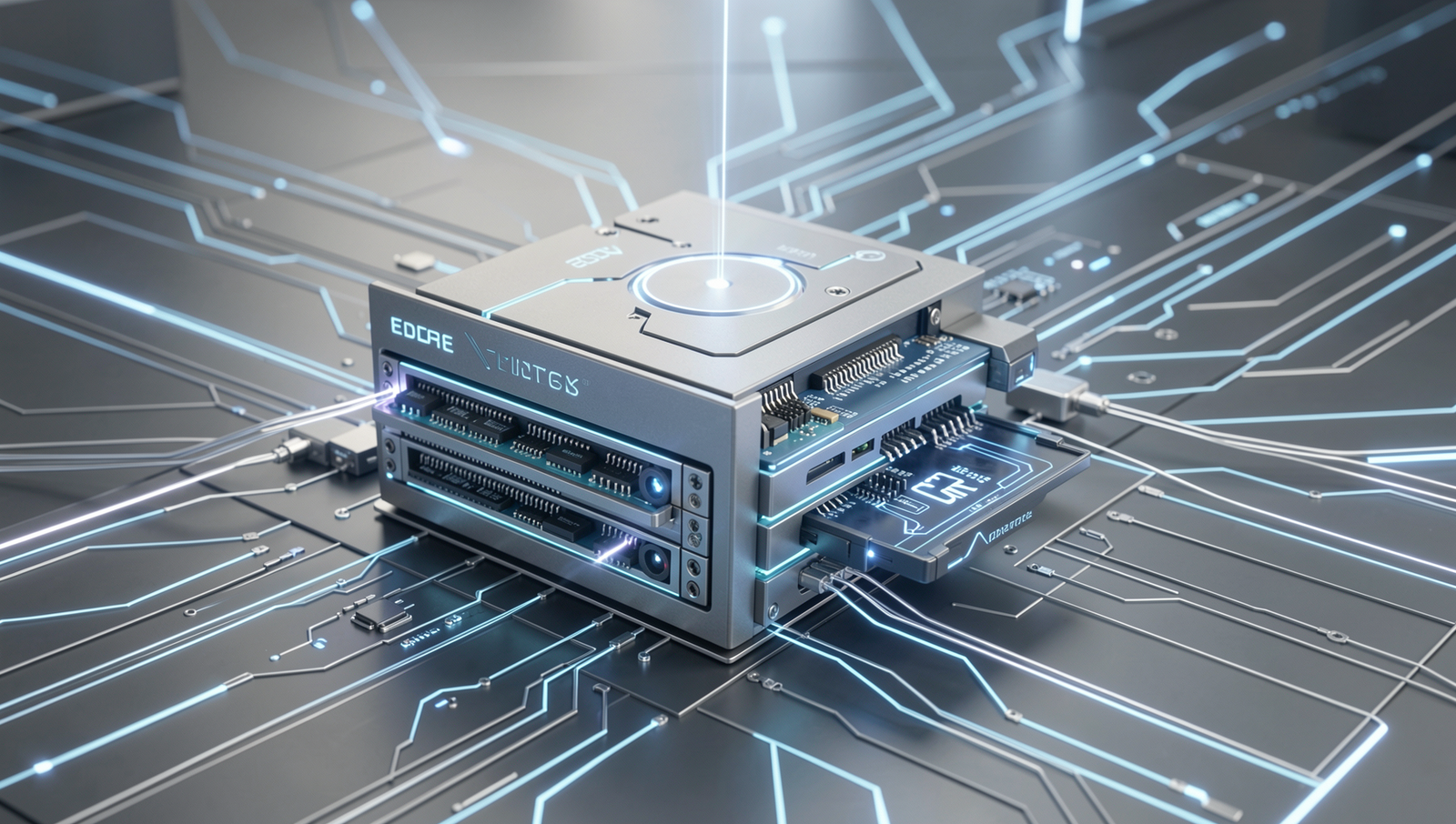
Future Trends in Edge Computing
As edge computing continues to evolve, several future trends are emerging that will shape its role in modern technology. One of the most significant trends is the integration of edge computing with artificial intelligence (AI) and machine learning. By processing data closer to the source, edge devices can leverage AI algorithms to analyze information in real-time, leading to quicker decision-making and enhanced user experiences. For instance, smart cameras equipped with edge computing capabilities can identify objects and analyze video feeds without needing to send data to a centralized cloud, thus improving response times in security applications.
Another important trend is the evolution of edge computing standards and protocols. As more devices become interconnected, the need for standardized communication methods becomes critical. Organizations are working towards developing robust frameworks that will ensure interoperability among various edge devices and platforms. This will facilitate smoother data exchange and integration, ultimately enhancing the functionality of edge computing solutions.
Moreover, there is an increased focus on energy efficiency within edge computing. As the number of edge devices grows, so does the need to minimize their energy consumption. Innovations in low-power hardware and energy-efficient algorithms are being prioritized to ensure that edge computing remains sustainable and cost-effective.
- Potential for new business models and services: Edge computing opens up opportunities for businesses to create innovative services that rely on real-time data processing.
- Enhanced data privacy and security: By processing data locally, edge computing can reduce the risks associated with data transmission.
In conclusion, the future of edge computing is poised for significant advancements, driven by AI integration, standardization efforts, energy efficiency, and the emergence of new business models.

Conclusion and Implications for Businesses
As organizations navigate the complexities of the digital landscape, edge computing emerges as a transformative technology that offers numerous benefits. By processing data closer to the source, businesses can achieve lower latency, enhanced performance, and improved reliability. This is particularly crucial for applications requiring real-time data analysis, such as autonomous vehicles, smart cities, and industrial IoT systems. The ability to make quick decisions based on local data can significantly enhance operational efficiency and customer experiences.
However, adopting edge computing requires strategic considerations. Businesses must evaluate their existing infrastructure and determine how edge solutions can integrate with their current systems. Key factors to consider include:
- Data security and privacy: Ensuring that sensitive information is protected at the edge.
- Scalability: Planning for future growth and the ability to expand edge capabilities.
- Cost-effectiveness: Analyzing the return on investment for implementing edge solutions.
Edge computing plays a pivotal role in digital transformation, enabling organizations to leverage data more effectively and innovate faster. As companies increasingly adopt cloud technologies and IoT devices, edge computing provides the necessary infrastructure to support these advancements. It empowers businesses to harness data insights in real-time, driving better decision-making and fostering innovation.
In conclusion, organizations should actively explore edge computing opportunities. By investing in this technology, businesses can position themselves at the forefront of digital transformation, enhancing their competitiveness in an ever-evolving market. The time to act is now—embrace edge computing and unlock its potential for your organization.
Frequently Asked Questions
What is edge computing?
Edge computing refers to the practice of processing data closer to the source of data generation rather than relying solely on centralized data centers. This approach reduces latency, enhances speed, and improves the efficiency of data handling, making it ideal for real-time applications and IoT devices.
How does edge computing differ from cloud computing?
While cloud computing involves centralized data processing and storage, edge computing decentralizes these functions by bringing them closer to the data source. This reduces the distance data must travel, leading to faster processing times and lower bandwidth usage, which is crucial