
9 min read • 1,836 words
The Next Generation of Smartphones: Technologies to Watch
The world of smartphones is evolving rapidly, and the next generation smartphones are set to redefine our digital experiences. As technology advances, consumers can expect to see significant innovations that enhance usability, performance, and overall functionality. This article will explore the key technologies shaping the future of smartphones, including foldable displays, 5G connectivity, AI-driven photography, augmented reality, and advancements in battery technology.
Understanding these emerging trends is crucial for anyone interested in the future of mobile technology. Foldable displays are becoming mainstream, allowing for more versatile smartphone designs that cater to various user needs. Meanwhile, 5G technology promises to enhance mobile internet speeds significantly, impacting app development and user experiences. Additionally, AI-driven photography features are improving image quality, while augmented reality capabilities are being integrated for enhanced interaction. Finally, advancements in battery technology, such as solid-state batteries, are set to provide longer life and faster charging, making the next generation smartphones more efficient than ever.
Emerging Display Technologies
The next generation smartphones are set to revolutionize user interaction through emerging display technologies. One of the most exciting advancements is the development of flexible and foldable displays. These innovations allow manufacturers to create smartphones that can easily transform from a compact device to a larger screen, enhancing portability while providing users with more screen real estate for multitasking and media consumption.
Another significant advancement is in the realm of MicroLED and OLED technologies. These displays offer superior color accuracy and contrast ratios compared to traditional LCD screens. MicroLED, in particular, boasts self-emissive properties, which means each pixel emits its own light, resulting in deeper blacks and vibrant colors. As these technologies become more mainstream, users can expect a more immersive viewing experience.
High refresh rate screens are also becoming a standard feature in next generation smartphones. With refresh rates of 90Hz, 120Hz, or even higher, these displays provide smoother animations and transitions, making scrolling through content feel more fluid. This enhancement is particularly beneficial for gamers and those who consume a lot of video content.
Finally, under-display camera technology is paving the way for a truly seamless design. By integrating the front camera beneath the display, manufacturers can eliminate notches and bezels, resulting in a more immersive screen experience. This technology not only enhances aesthetics but also maximizes the available display area for users.
- Flexible and foldable displays for new form factors
- MicroLED and OLED for enhanced color and contrast
- High refresh rates for smoother experiences
- Under-display cameras for seamless designs
Advancements in Battery Technology
The next generation smartphones are set to revolutionize user experience, primarily through significant advancements in battery technology. As consumers demand more from their devices, manufacturers are responding with innovative solutions that enhance performance and convenience.
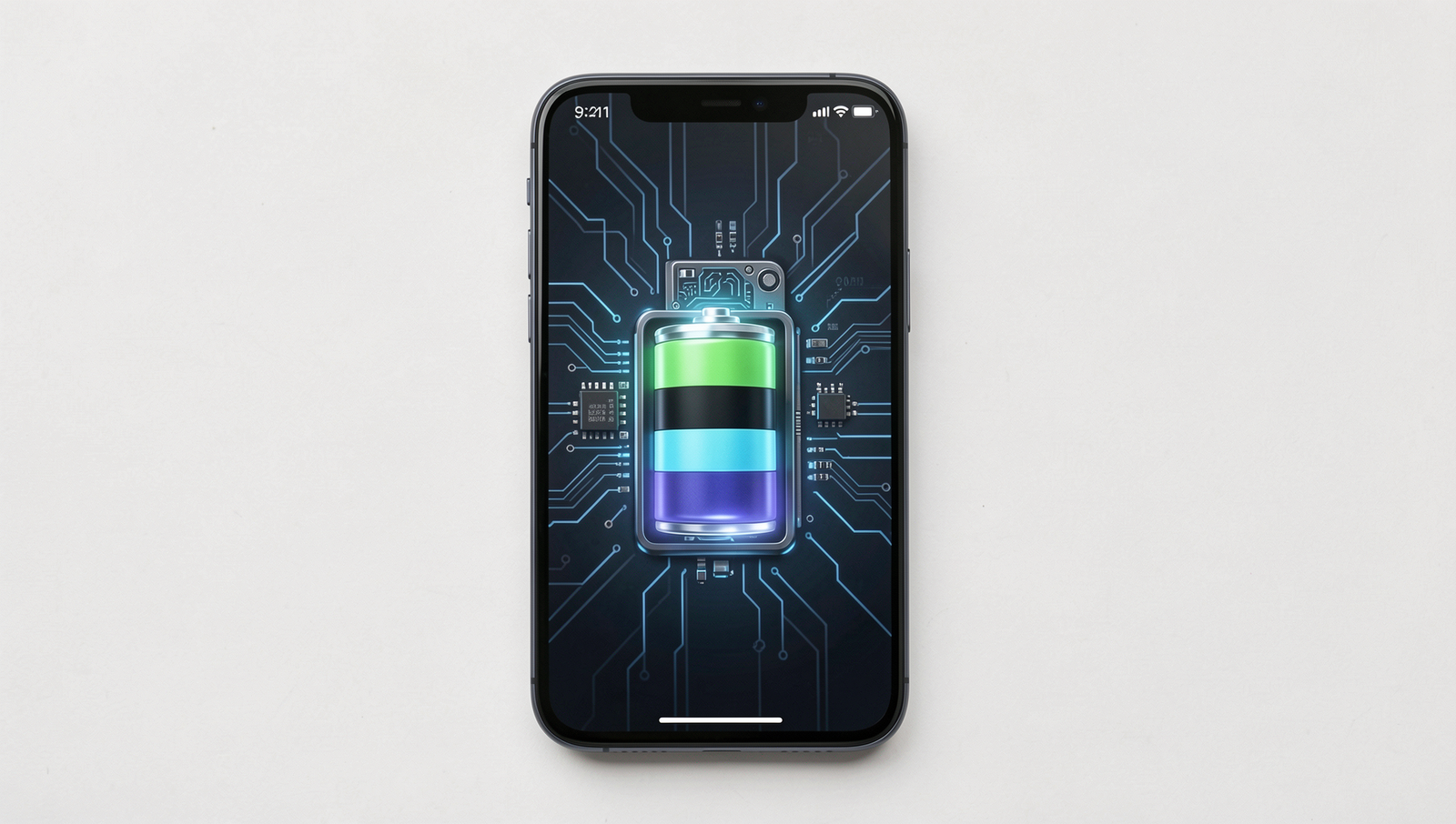
One of the most promising developments is the emergence of solid-state batteries. These batteries offer a higher energy density compared to traditional lithium-ion batteries, allowing smartphones to operate longer on a single charge. This means users can enjoy extended usage without the constant need to recharge, which is particularly beneficial for heavy users and those who rely on their devices throughout the day.
In addition to solid-state batteries, fast charging technologies are making a substantial impact. With the ability to charge a smartphone to 50% in just 30 minutes, these advancements significantly reduce downtime. Users can quickly power up their devices during short breaks, making it easier to stay connected and productive.
Wireless charging innovations also contribute to the convenience of the next generation smartphones. With the introduction of more efficient wireless charging pads and the ability to charge multiple devices simultaneously, users can eliminate the hassle of tangled cords and enjoy a seamless charging experience.
Moreover, advanced battery management systems are enhancing the longevity of smartphone batteries. These systems optimize charging cycles and monitor battery health, ensuring that devices maintain their performance over time. This not only extends the lifespan of the battery but also contributes to overall device efficiency.
- Solid-state batteries for higher energy density
- Fast charging technologies for reduced downtime
- Wireless charging innovations for added convenience
- Battery management systems for enhanced longevity
As these technologies continue to evolve, the next generation smartphones will undoubtedly provide users with a more efficient and enjoyable experience.
AI and Machine Learning Integration
The next generation smartphones are set to revolutionize user experience through the integration of artificial intelligence (AI) and machine learning. These technologies are not just buzzwords; they are becoming essential components that enhance performance and personalization. On-device AI allows smartphones to process data locally, resulting in faster performance and reduced latency. This means users can enjoy smoother multitasking and quicker app launches, all while maintaining their privacy since less data needs to be sent to the cloud.
One of the most exciting advancements is in camera technology. AI image processing enables smartphones to capture stunning photos with minimal effort. Features such as automatic scene detection, enhanced low-light performance, and real-time image adjustments are now commonplace. For instance, when a user points their camera at a landscape, the AI can automatically adjust settings to optimize the shot, ensuring that colors are vibrant and details are sharp.
Voice assistants are also evolving, becoming more intuitive and context-aware. With advancements in natural language processing, these assistants can understand user commands better and respond with relevant information based on context. For example, if a user asks about the weather while planning a trip, the assistant can provide forecasts for the destination rather than the current location.
Additionally, predictive analytics is enhancing the overall user experience. By analyzing usage patterns, smartphones can anticipate user needs, suggesting apps or features at the right time. This level of personalization makes interactions more seamless and efficient.
5G and Beyond: Connectivity Revolution
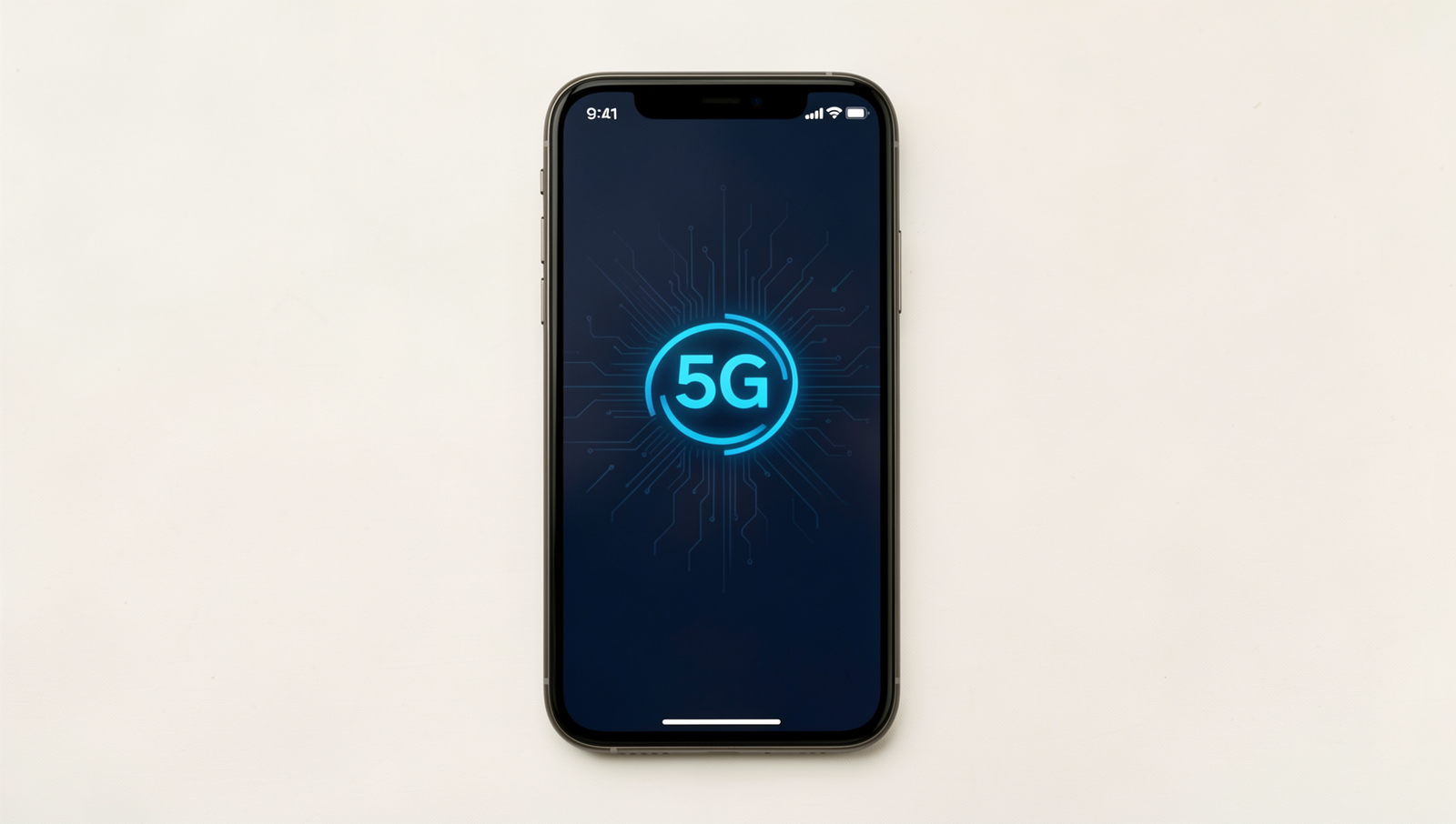
The advent of 5G technology is set to revolutionize the way we interact with our next generation smartphones. With widespread adoption, 5G networks are enabling faster data speeds that can reach up to 10 Gbps, significantly enhancing user experiences. This leap in connectivity allows for seamless streaming of high-definition content, quicker downloads, and improved overall performance of mobile applications.
One of the most significant impacts of 5G is its low-latency connections, which are crucial for activities such as gaming and streaming. Gamers can expect reduced lag times, providing a more immersive and responsive experience. For example, multiplayer online games will benefit from real-time interactions, making competitive play more engaging. Similarly, streaming services can deliver content with minimal buffering, allowing users to enjoy uninterrupted viewing.
Looking ahead, the emergence of 6G technologies promises to take connectivity even further. While still in the conceptual stage, 6G is expected to offer data speeds that could exceed 100 Gbps and support advanced applications such as holographic communication and augmented reality experiences. This next generation of smartphones will likely harness these capabilities, transforming how we communicate and interact with digital content.
- Enhanced gaming experiences with real-time interactions
- Seamless streaming of 8K and beyond content
- Integration of IoT devices for smarter home ecosystems
As IoT integration becomes more prevalent, next generation smartphones will play a pivotal role in creating smarter ecosystems. Users will be able to control various devices—from home appliances to wearables—directly from their smartphones, leading to increased convenience and efficiency in daily life.
Enhanced Security Features
As the landscape of technology evolves, the next generation smartphones are set to incorporate enhanced security features that prioritize user safety and data protection. With the increasing reliance on mobile devices for sensitive transactions, manufacturers are investing in advanced biometric technologies to ensure that user information remains secure.
One of the most notable advancements is in biometric authentication methods. Modern smartphones are now equipped with sophisticated facial recognition systems and fingerprint scanners. These technologies not only provide a seamless user experience but also enhance security by making unauthorized access significantly more difficult. For instance, Apple’s Face ID and Samsung’s ultrasonic fingerprint sensors are examples of how these biometric systems are becoming standard in the next generation smartphones.
- Hardware-based security measures: Many smartphones now include secure enclaves or dedicated chips that store sensitive data, such as passwords and biometric information, separately from the main operating system. This hardware-based approach adds an additional layer of protection against malware and hacking attempts.
- Privacy-focused software updates: Manufacturers are increasingly rolling out software updates that enhance privacy features. These updates may include options to limit app permissions, enhanced encryption for data storage, and improved tracking prevention.
- Decentralized identity solutions: Emerging technologies are also exploring decentralized identity systems that allow users to control their personal information without relying on centralized databases. This approach empowers users to manage their identities securely and privately.
In conclusion, the next generation smartphones are poised to redefine security standards, making user safety a top priority through innovative technologies and practices.
Sustainability in Smartphone Design
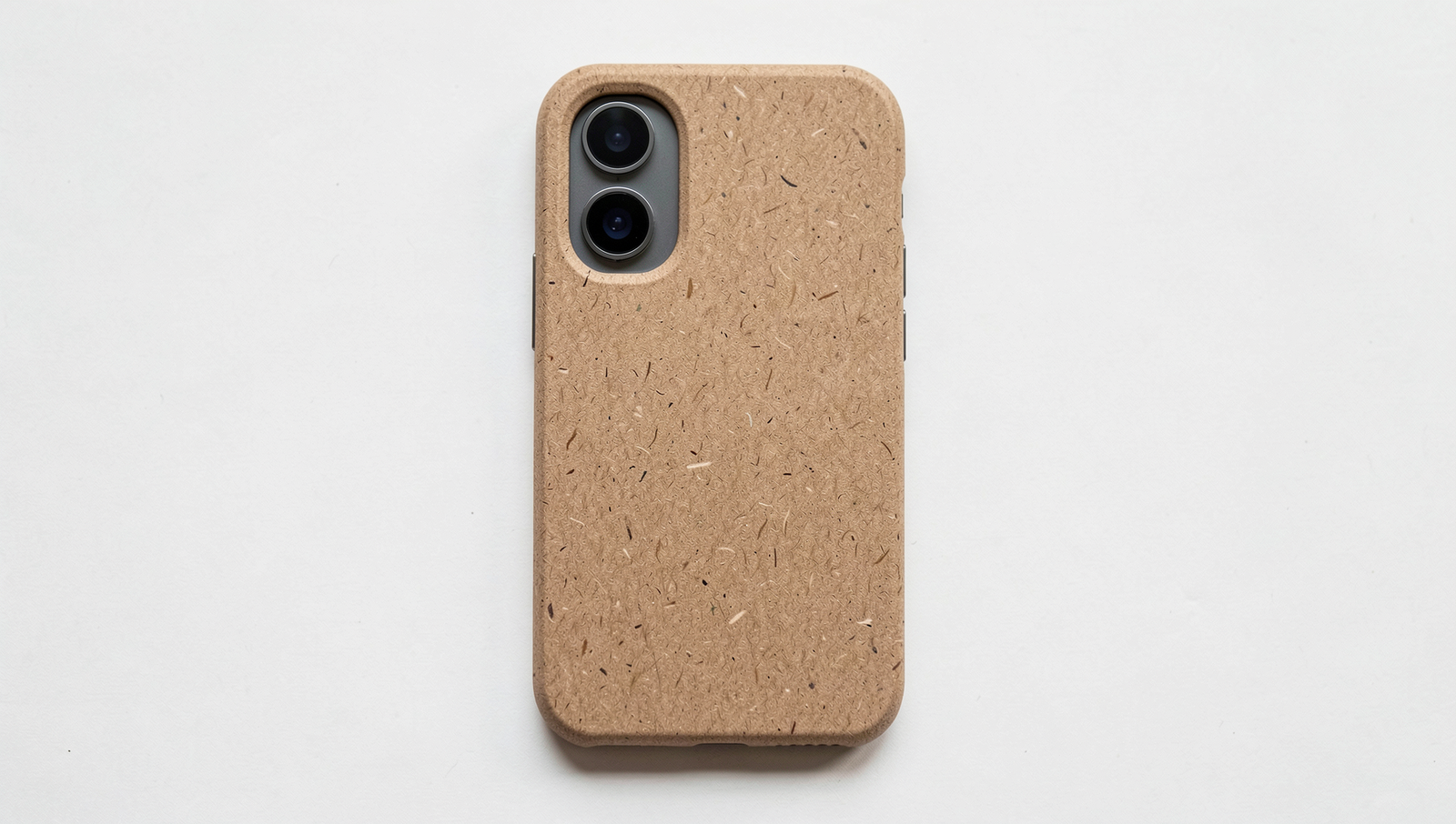
As the market for next generation smartphones continues to evolve, sustainability has become a key focus for manufacturers. Companies are increasingly recognizing the importance of environmentally friendly practices in their design and production processes. One significant trend is the use of recycled materials in smartphone manufacturing. By incorporating materials such as recycled aluminum and plastics, manufacturers can reduce the demand for virgin resources, thereby minimizing environmental impact.
Another important aspect of sustainability in smartphone design is the integration of energy-efficient components. These components not only enhance the performance of the devices but also contribute to a reduced carbon footprint. For instance, energy-efficient processors and displays consume less power, which can lead to longer battery life and lower energy consumption over the device’s lifespan.
Modular designs are also gaining traction as a sustainable approach to smartphone manufacturing. This design philosophy allows users to easily replace or upgrade individual components, such as batteries and cameras, rather than discarding the entire device. This not only extends the life of the smartphone but also reduces electronic waste.
- Use of recycled materials in manufacturing
- Energy-efficient components to lower carbon footprint
- Modular designs for easy repairs and upgrades
- Sustainable packaging and supply chain practices
Lastly, sustainable packaging and supply chain practices are becoming more prevalent. Companies are opting for biodegradable materials and reducing excess packaging, which further supports environmental goals. By focusing on these sustainable practices, the next generation smartphones can pave the way for a greener future in technology.
Conclusion
As we look towards the future, the next generation smartphones promise to revolutionize our daily interactions with technology. With advancements in artificial intelligence, 5G connectivity, and foldable displays, these devices are set to enhance user experience significantly. The integration of AI will enable smartphones to learn from user behavior, providing personalized recommendations and automating routine tasks. Additionally, the widespread adoption of 5G technology will facilitate faster data transfer, allowing for seamless streaming and improved connectivity in our increasingly digital world.
Moreover, the benefits of these innovations extend beyond mere convenience. Enhanced security features, such as biometric authentication and advanced