
9 min read • 1,845 words
Emerging Technologies That Could Define the Next Decade
As we stand on the brink of a new technological era, understanding emerging technologies is crucial for navigating the future landscape. These innovations are not just buzzwords; they represent significant advancements that could redefine industries and improve our daily lives. In this article, we will explore how quantum computing, AI-driven automation, biotechnology, 5G technology, and blockchain are set to shape the next decade. Each of these technologies holds the potential to solve complex problems, enhance productivity, and create personalized experiences.
Readers will learn about the transformative power of these emerging technologies and why they matter. For instance, quantum computing could revolutionize data processing speeds, allowing us to tackle problems that were once deemed unsolvable. Similarly, AI-driven automation is projected to boost productivity by up to 40% across various sectors. By understanding these trends, you can better prepare for the changes ahead and leverage these technologies for personal and professional growth.

Artificial Intelligence and Machine Learning
Artificial Intelligence (AI) and Machine Learning (ML) are at the forefront of emerging technologies that are set to transform various sectors over the next decade. One of the most significant advancements in this field is in natural language processing (NLP) and understanding. NLP enables machines to comprehend and respond to human language in a way that is both meaningful and contextually relevant. This technology is already being used in virtual assistants, chatbots, and customer service applications, enhancing user experience and operational efficiency.
In healthcare, AI is revolutionizing diagnostics and personalized treatment plans. Machine learning algorithms can analyze vast amounts of medical data to identify patterns that may elude human practitioners. For instance, AI systems can assist in early detection of diseases such as cancer by analyzing medical imaging with remarkable accuracy. Furthermore, AI can tailor treatment plans based on individual patient data, leading to more effective healthcare outcomes.
However, the rise of AI also brings ethical considerations and concerns about bias in algorithms. As AI systems are trained on historical data, they may inadvertently perpetuate existing biases, leading to unfair outcomes in areas like hiring, law enforcement, and lending. Addressing these ethical challenges is crucial to ensure that AI technologies are developed and implemented responsibly.
Moreover, AI-driven automation is reshaping industries such as manufacturing, logistics, and finance. Tasks that were once labor-intensive are now being performed by intelligent systems, increasing productivity and reducing operational costs. For example, in manufacturing, AI robots can optimize production lines and reduce waste, while in finance, algorithms can analyze market trends to inform investment strategies.
- Natural language processing for improved communication.
- AI in healthcare for diagnostics and personalized treatment.
- Addressing ethical considerations and bias in AI.
- AI-driven automation enhancing productivity across industries.

Quantum Computing
Quantum computing represents a paradigm shift in how we process information, leveraging the principles of quantum mechanics to perform calculations at unprecedented speeds. At the heart of quantum computing are quantum bits, or qubits, which differ significantly from classical bits. While classical bits can exist in one of two states—0 or 1—qubits can exist in multiple states simultaneously, thanks to a phenomenon known as superposition. This capability allows quantum computers to process vast amounts of data in parallel, making them potentially far more powerful than traditional computers.
One of the most promising applications of quantum computing lies in the field of cryptography and data security. Quantum computers could break widely used encryption methods, such as RSA, by solving complex mathematical problems much faster than classical computers. However, this also paves the way for the development of quantum encryption techniques, which could provide a level of security that is theoretically unbreakable. For instance, quantum key distribution (QKD) allows two parties to share a secret key securely, ensuring that any eavesdropping attempts can be detected.
Moreover, quantum computing holds immense potential for solving complex problems and running simulations that are currently infeasible. Industries such as pharmaceuticals, materials science, and finance could benefit from quantum simulations to discover new drugs, design advanced materials, or optimize financial portfolios.
- Current challenges include error rates in qubit operations and the need for stable quantum environments.
- Future prospects involve advancements in quantum error correction and the development of more robust quantum algorithms.
As research progresses, the next decade could see quantum computing transition from theoretical exploration to practical applications, fundamentally altering various sectors and driving innovation in emerging technologies.

Biotechnology and Genetic Engineering
Biotechnology and genetic engineering are poised to revolutionize various sectors, particularly healthcare and agriculture, over the next decade. One of the most significant advancements in this field is CRISPR technology, which allows for precise gene editing. With CRISPR, scientists can modify DNA sequences, leading to potential cures for genetic disorders and the development of disease-resistant crops. The implications of this technology are vast, as it could lead to breakthroughs in treating conditions like sickle cell anemia and cystic fibrosis.
In addition to CRISPR, the rise of biopharmaceuticals is transforming personalized medicine. By utilizing genetic information, healthcare providers can tailor treatments to individual patients, increasing efficacy and reducing side effects. For instance, targeted therapies for cancer are becoming more common, allowing for treatments that are specifically designed for a patient’s unique genetic makeup.
However, the rapid advancements in genetic engineering also raise ethical debates. Concerns about “designer babies,” where genetic modifications could be made to enhance physical or cognitive traits, spark discussions about the moral implications of such technologies. Additionally, the potential for unintended consequences in ecosystems due to genetically modified organisms (GMOs) in agriculture necessitates careful consideration.
- CRISPR technology enables precise gene editing.
- Biopharmaceuticals are advancing personalized medicine.
- Ethical debates surround genetic modifications.
- Biotechnology plays a crucial role in sustainable agriculture.
As we look toward the future, the role of biotechnology in sustainable agriculture cannot be overlooked. Innovations such as drought-resistant crops and biofertilizers are essential for addressing food security in a changing climate. These emerging technologies not only promise to enhance productivity but also contribute to environmental sustainability.
Renewable Energy Technologies
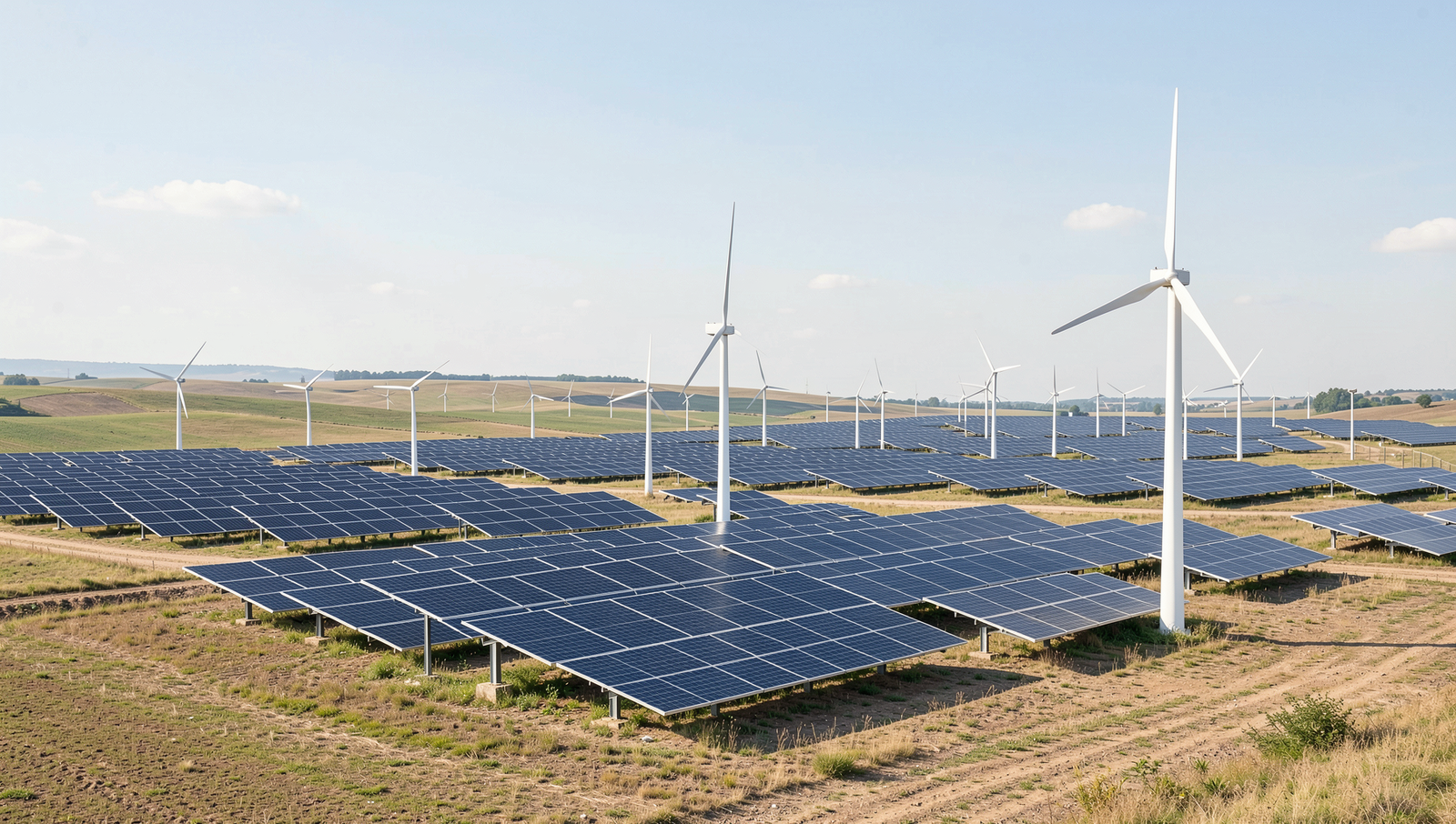
As we look towards the next decade, emerging technologies in renewable energy are set to play a crucial role in shaping a sustainable future. Innovations in solar and wind energy efficiency are at the forefront, with advancements that allow for greater energy capture and conversion. For instance, new photovoltaic materials, such as perovskite solar cells, promise higher efficiency rates at lower costs, making solar energy more accessible than ever.
Wind energy is also experiencing significant improvements. Turbine designs are becoming more aerodynamic, and larger rotor diameters are enabling the capture of more wind energy. Offshore wind farms are being developed with floating turbine technology, allowing for installation in deeper waters where wind speeds are often higher.
Energy storage solutions are critical to the success of renewable energy systems. Recent advancements in battery technology, particularly lithium-sulfur and solid-state batteries, are enhancing energy storage capacity and longevity. These innovations are essential for balancing supply and demand, especially when energy generation is intermittent.
- Smart grids are revolutionizing energy distribution by integrating digital technology to optimize energy flow.
- They enable real-time monitoring and management of energy resources, enhancing efficiency and reliability.
- Consumers can engage in demand response programs, adjusting their energy usage based on grid conditions.
Moreover, sustainable practices in energy consumption are gaining traction. Initiatives such as energy-efficient appliances and smart home technologies are empowering consumers to reduce their carbon footprint. As these emerging technologies continue to evolve, they will undoubtedly define the energy landscape of the next decade.

5G and Next-Generation Connectivity
5G technology represents a significant leap forward in mobile connectivity, offering speeds up to 100 times faster than its predecessor, 4G. This enhanced capability allows for lower latency, which is crucial for applications requiring real-time data transmission. With 5G, users can experience seamless streaming, quicker downloads, and improved overall connectivity. The technology is designed to support a massive number of devices simultaneously, making it a cornerstone for the Internet of Things (IoT).
The impact of 5G on IoT and smart city development is profound. With its ability to connect millions of devices, 5G facilitates the creation of smart infrastructure, including traffic management systems, energy-efficient buildings, and enhanced public safety measures. For instance, smart traffic lights can adapt in real-time to traffic conditions, reducing congestion and improving air quality. Additionally, 5G enables remote healthcare services, allowing doctors to monitor patients through connected devices.
- Enhanced mobile broadband for consumers
- Massive machine-type communications for IoT devices
- Ultra-reliable low-latency communications for critical applications
However, the rollout of 5G faces challenges, including the need for substantial infrastructure investment and ensuring accessibility in rural areas. As cities and countries work to overcome these hurdles, future trends in global connectivity may include the integration of satellite-based internet services and advancements in edge computing. These developments will further enhance the capabilities of 5G, making it a pivotal element in the landscape of emerging technologies over the next decade.
Augmented Reality (AR) and Virtual Reality (VR)
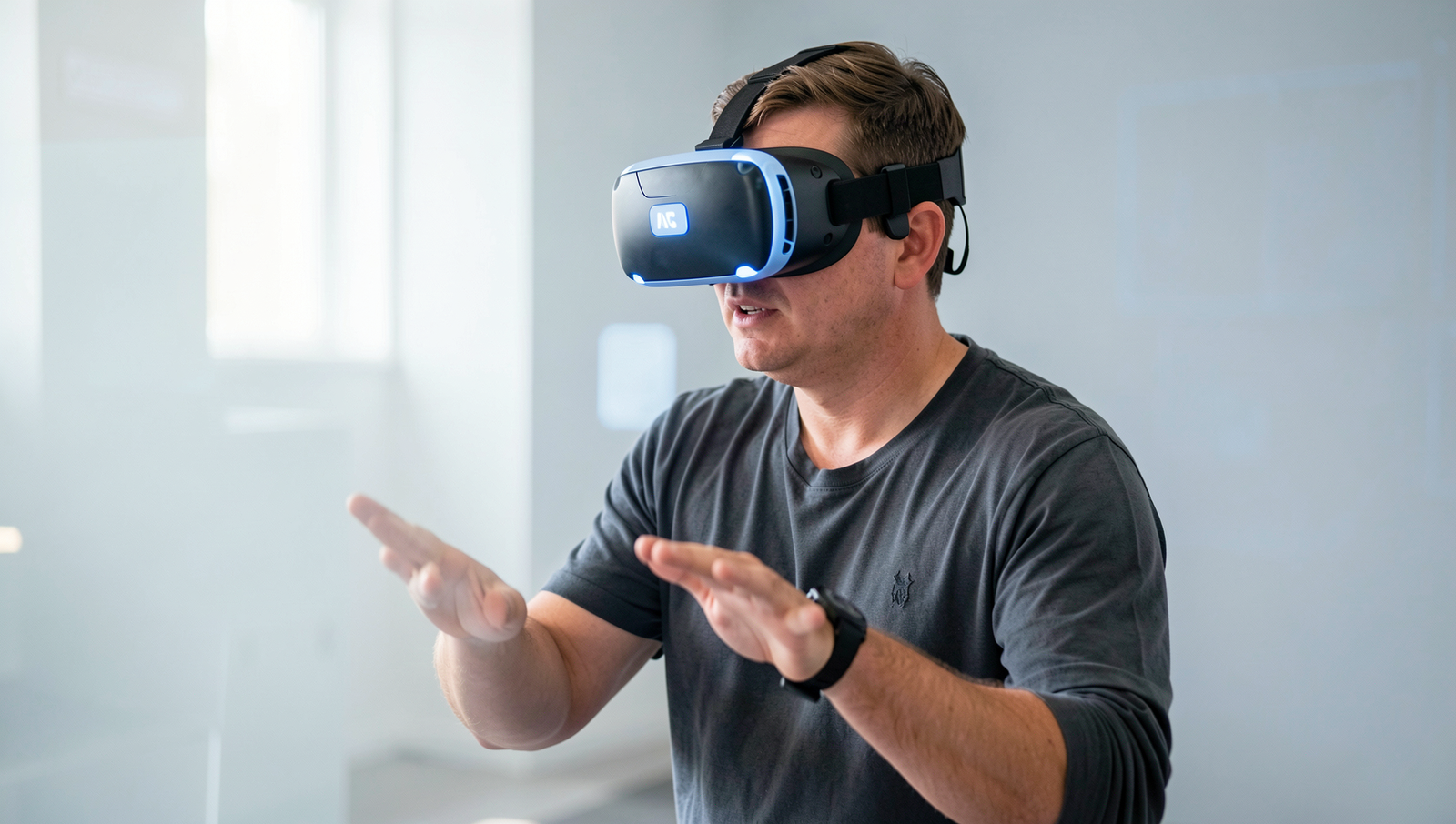
Augmented Reality (AR) and Virtual Reality (VR) are two of the most promising emerging technologies that are set to transform various sectors in the coming decade. Their applications in education and training are particularly noteworthy. For instance, AR can enhance learning experiences by overlaying digital information onto the physical world, allowing students to interact with 3D models of complex subjects like anatomy or engineering. VR, on the other hand, offers immersive simulations that can prepare individuals for real-world scenarios, such as medical procedures or hazardous work environments.
In the entertainment and gaming industries, AR and VR are already making significant waves. Popular games like Pokémon GO have demonstrated how AR can blend the digital and physical worlds, creating engaging experiences for users. Meanwhile, VR gaming has taken immersion to new heights, allowing players to step into entirely different worlds, enhancing the overall gaming experience.
The potential for remote work and collaboration is another exciting aspect of AR and VR. Virtual meetings can become more interactive and engaging through VR environments, where participants can collaborate in a shared space, regardless of their physical locations. This could lead to more effective teamwork and communication in a world that increasingly relies on remote work.
Looking ahead, the future developments in immersive technologies promise even more advancements. As hardware becomes more affordable and software more sophisticated, we can expect AR and VR to become integral parts of daily life, influencing everything from shopping experiences to social interactions.
Conclusion
As we look towards the future, it is clear that emerging technologies will play a pivotal role in shaping the next decade. Innovations such as artificial intelligence, blockchain, and quantum computing are not just buzzwords; they represent transformative forces that have the potential to revolutionize industries and enhance our daily lives. These technologies promise to improve efficiency, drive economic growth, and address some of the most pressing challenges we face, from climate change to healthcare accessibility. By embracing these