
9 min read • 1,838 words
Proven Strategies for Reducing Stress and Improving Overall Well-Being
In today’s fast-paced world, managing stress is more important than ever. Stress can have detrimental effects on both mental and physical health, making it essential to adopt proven strategies for reducing stress. This article will explore effective techniques that can help you regain control over your life, enhance your emotional well-being, and foster a healthier lifestyle. By implementing these strategies, you will not only alleviate stress but also improve your overall quality of life.
Readers will learn about the significance of regular physical activity, mindfulness meditation, and the importance of adequate sleep in managing stress. Additionally, we will discuss how deep breathing exercises can activate the body’s relaxation response and the vital role of social support from friends and family in buffering against stress. By understanding and applying these strategies, you can pave the way to a more balanced and fulfilling life.
Understanding Stress and Its Impact
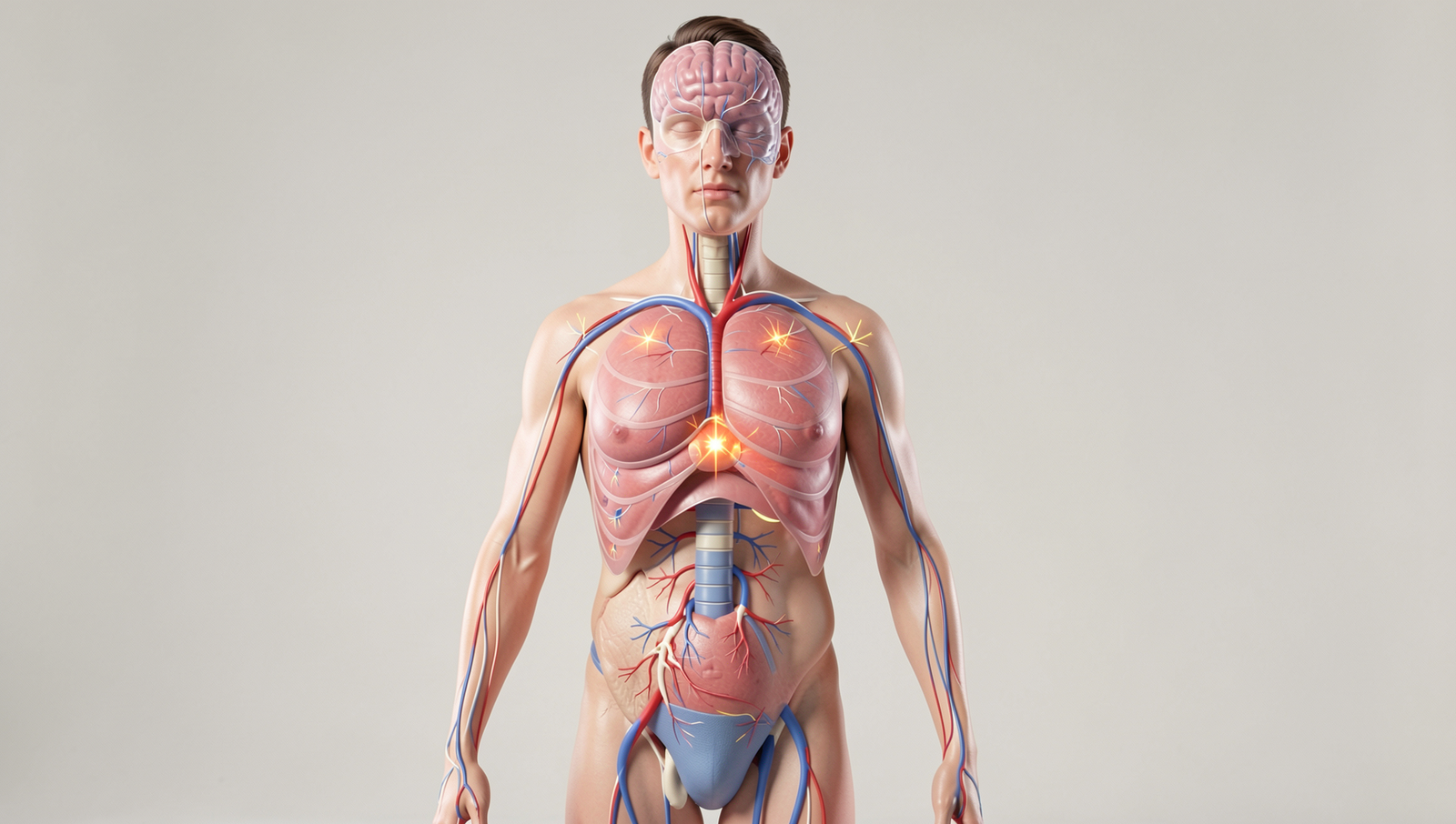
Stress is a natural response of the body to perceived threats or challenges, often referred to as the “fight or flight” response. When faced with stressors, the body releases hormones such as cortisol and adrenaline, which prepare us to react. While short-term stress can be beneficial in certain situations, chronic stress can lead to a range of physiological effects, including increased heart rate, elevated blood pressure, and weakened immune function. Over time, these responses can take a toll on the body, leading to serious health issues.
Psychologically, chronic stress can manifest in various ways. Individuals may experience anxiety, depression, irritability, and difficulty concentrating. The constant state of worry can create a vicious cycle, where stress leads to mental health issues, which in turn exacerbate stress levels. Recognizing these psychological implications is crucial for effective stress management.
Moreover, the link between stress and various health issues is well-documented. Chronic stress has been associated with conditions such as heart disease, diabetes, and gastrointestinal problems. Understanding this connection emphasizes the importance of addressing stress proactively.
- Recognizing personal stress triggers is the first step towards managing stress effectively.
- Implementing relaxation techniques, such as deep breathing or meditation, can help mitigate stress responses.
- Engaging in regular physical activity is a proven strategy for reducing stress and improving overall well-being.
Ultimately, recognizing the signs of stress and its impact on both physical and mental health is essential for developing proven strategies for reducing stress and enhancing overall well-being.
Mindfulness and Meditation Techniques
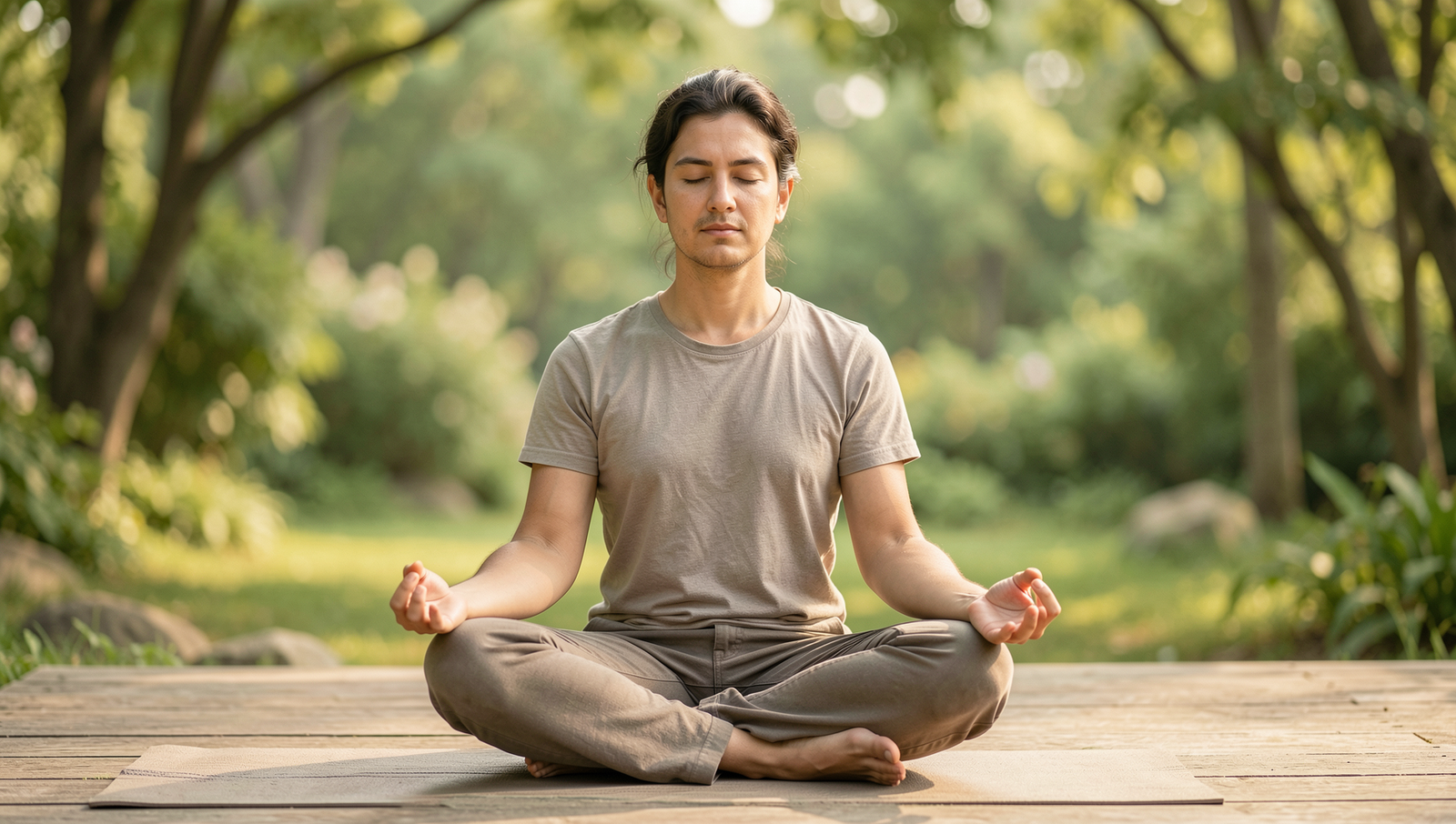
Mindfulness is the practice of being fully present in the moment, which can significantly reduce stress and enhance overall well-being. By focusing on the here and now, individuals can break free from the cycle of negative thoughts and worries that often contribute to stress. Research has shown that mindfulness can lead to lower levels of anxiety, improved mood, and better emotional regulation.
To start practicing mindfulness, consider these basic meditation techniques:
- Find a quiet space: Choose a comfortable and quiet location where you won’t be disturbed.
- Set a timer: Begin with just five minutes and gradually increase the time as you become more comfortable.
- Focus on your breath: Close your eyes and take deep, slow breaths. Inhale through your nose, hold for a moment, and exhale through your mouth.
- Notice your thoughts: When your mind wanders, gently bring your focus back to your breath without judgment.
Breathing exercises also play a crucial role in calming the mind. Simple techniques, such as the 4-7-8 method, can be effective. Inhale for four seconds, hold your breath for seven seconds, and exhale for eight seconds. This practice can help lower heart rate and promote relaxation.
For those looking to incorporate mindfulness into their daily routine, several apps and resources can be beneficial. Apps like Headspace and Calm offer guided meditations and mindfulness exercises tailored to different needs. Additionally, many online platforms provide free resources and videos to help beginners get started.

Physical Activity as a Stress Reliever
Engaging in regular physical activity is one of the most effective proven strategies for reducing stress and improving overall well-being. Exercise has been shown to lower levels of stress hormones, such as cortisol, while simultaneously boosting the production of endorphins, which are chemicals in the brain that act as natural painkillers and mood elevators. This dual effect not only helps to alleviate feelings of anxiety and tension but also enhances overall mood and promotes a sense of well-being.
There are various types of physical activities that cater to all fitness levels, making it accessible for everyone. Here are some examples:
- Walking: A simple yet effective way to incorporate movement into your day.
- Yoga: Combines physical postures with breathing exercises to promote relaxation.
- Swimming: A low-impact activity that is easy on the joints and provides a full-body workout.
- Strength training: Helps build muscle and can be done with minimal equipment.
- Dancing: A fun way to get moving and express yourself creatively.
Outdoor activities, such as hiking or cycling, offer additional benefits. Being in nature has been linked to reduced stress levels and improved mood. Nature walks allow individuals to disconnect from daily stressors and reconnect with their surroundings, providing a refreshing mental break. The sights, sounds, and smells of the outdoors can significantly enhance the stress-relieving effects of physical activity.
Incorporating physical activity into your daily routine can be a powerful tool in managing stress. Whether it’s a brisk walk in the park or a yoga session at home, finding an activity you enjoy can lead to lasting improvements in your mental and physical health.

Nutrition and Its Role in Stress Management
Nutrition plays a crucial role in managing stress and enhancing overall mental health. The foods we consume can significantly impact our mood, energy levels, and ability to cope with stress. A diet rich in whole foods, such as fruits, vegetables, whole grains, and lean proteins, can help stabilize blood sugar levels and promote a sense of well-being. Conversely, diets high in processed foods, sugars, and unhealthy fats can lead to increased anxiety and stress levels.
To effectively manage stress through diet, it is essential to identify foods that promote relaxation and those that should be avoided. Foods that are known to help reduce stress include:
- Leafy greens, such as spinach and kale
- Fatty fish, like salmon and mackerel, which are rich in omega-3 fatty acids
- Nuts and seeds, particularly walnuts and flaxseeds
- Whole grains, such as brown rice and quinoa
- Dark chocolate, in moderation, can also be beneficial
On the other hand, it is advisable to limit the intake of caffeine, sugary snacks, and highly processed foods, as these can exacerbate feelings of anxiety and stress.
Meal planning is a practical strategy for maintaining a balanced diet. Preparing meals in advance can help ensure that healthy options are readily available, reducing the temptation to resort to unhealthy snacks. Incorporating a variety of foods can also help meet nutritional needs and keep meals interesting.
Lastly, hydration is often overlooked but is vital in stress management. Dehydration can lead to fatigue and irritability, making it harder to cope with stress. Aim to drink plenty of water throughout the day to stay hydrated and support overall well-being.

Building a Supportive Social Network
One of the most effective proven strategies for reducing stress is to cultivate a supportive social network. Social connections play a crucial role in enhancing mental well-being, as they provide emotional support, foster a sense of belonging, and can even improve physical health. Engaging with friends, family, and community members can help buffer against stressors and promote resilience.
To nurture existing relationships, consider the following tips:
- Schedule regular catch-ups with friends or family, whether in person or virtually.
- Practice active listening during conversations to strengthen your connections.
- Express appreciation and gratitude towards those who support you.
Making new connections can also be beneficial. Here are some strategies to expand your social circle:
- Join clubs or groups that align with your interests, such as book clubs, sports teams, or hobby classes.
- Volunteer for local organizations to meet like-minded individuals while giving back to the community.
- Attend community events or workshops to network and engage with others.
Support groups can also be invaluable for those facing specific challenges. These groups provide a safe space to share experiences and receive encouragement from others who understand your situation. Community involvement not only fosters new friendships but also enhances your sense of purpose and belonging, further contributing to stress reduction and overall well-being.

Creating a Personal Stress Management Plan
Creating a personal stress management plan is essential for anyone looking to implement proven strategies for reducing stress. The first step in this process is to assess your current stress levels and coping strategies. Start by identifying the main sources of your stress. This could include work, relationships, or financial issues. Keeping a stress journal can help you track these stressors and your reactions to them over time.
Once you have a clear understanding of your stress triggers, it’s important to set realistic goals for stress reduction. These goals should be specific, measurable, achievable, relevant, and time-bound (SMART). For example, instead of saying, “I want to be less stressed,” you might set a goal like, “I will practice mindfulness for 10 minutes every day for the next month.” This specificity allows for a clearer path to follow.
To track your progress, consider using a variety of techniques. You might create a weekly checklist of stress-reduction activities, or use a mobile app to log your mood and stress levels. Regularly reviewing your progress can help you identify what works and what doesn’t, allowing you to make necessary adjustments to your plan.
- Keep a daily log of stress levels and coping strategies.
- Set aside time each week to reflect on your progress.
- Adjust your goals based on what you learn from your tracking.
Remember, the importance of a personal stress management plan lies not just in reducing stress, but in improving your overall well-being. By actively engaging in this process, you can cultivate a healthier, more balanced life.
Conclusion
In summary, the proven strategies for reducing stress and improving overall well-being encompass a variety of techniques that can be tailored to individual needs. From mindfulness practices like meditation and deep breathing to physical activities such as yoga and regular exercise, these methods not only help in alleviating stress but also enhance mental clarity and emotional resilience. Incorporating these strategies into daily routines can lead to significant improvements in mood, productivity, and overall health, making them essential tools for anyone looking to foster a more balanced life.
As you embark on your journey towards better stress management, consider starting with small, manageable changes. Set aside time each day for relaxation or physical activity, and explore different mindfulness techniques to discover what resonates with you. By consistently applying these proven strategies for reducing stress, you will not only cultivate a more peaceful mindset but