
9 min read • 1,838 words
How to Choose the Best Smartphone for Your Needs in 2026
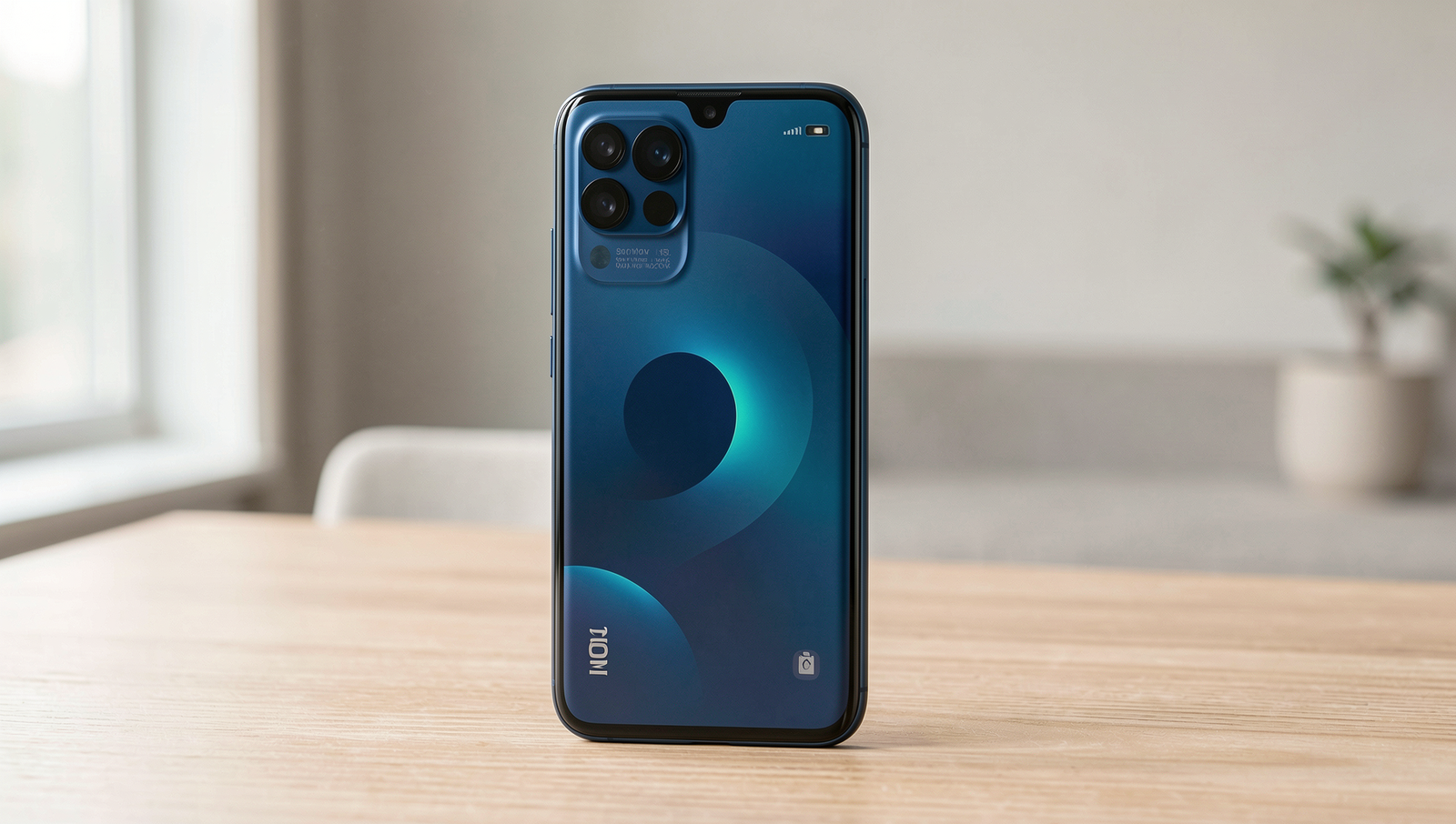
As we step into 2026, the landscape of smartphones is evolving rapidly, making it crucial for consumers to understand how to choose the best smartphone for their needs. With advancements in artificial intelligence, users can expect a more personalized experience tailored to their habits and preferences. This article will guide you through the essential features to consider, ensuring you make an informed decision that suits your lifestyle.
Battery life is becoming a top priority, with many models now offering over 48 hours of usage on a single charge. Additionally, 5G connectivity is standard, allowing for faster download speeds and improved streaming capabilities. Camera technology is also advancing, featuring multiple lenses and enhanced low-light performance. Sustainability is another critical factor, as more brands focus on eco-friendly materials and recycling practices. By the end of this article, you will be equipped with the knowledge to select the best smartphone 2026 has to offer.
Step-by-Step Tutorial
Step 1: Determine Your Budget
Choosing the right smartphone begins with a clear understanding of your budget. This step is crucial as it sets the foundation for your selection process. Here are some detailed instructions to help you establish a budget that suits your needs:
- Assess Your Finances: Take a close look at your current financial situation. Consider your monthly income, expenses, and any savings you may have. This will help you determine how much you can comfortably allocate for a smartphone.
- Set a Maximum Limit: Once you have a grasp of your finances, set a maximum limit for your smartphone purchase. This limit should be realistic and should prevent you from making impulse purchases that could strain your budget.
- Consider Buying Outright vs. Financing: Decide whether you prefer to buy your smartphone outright or if you will need to finance it. Buying outright can save you money in the long run, while financing may allow you to spread the cost over several months. Evaluate which option works best for your financial situation.
- Account for Hidden Costs: Be aware of potential hidden costs associated with purchasing a smartphone. These may include taxes, activation fees, or accessories like cases and screen protectors. Factor these into your budget to avoid surprises.
- Research Financing Options: If you choose to finance your smartphone, research different plans and interest rates. Look for options that offer low or no interest to minimize additional costs.
By following these steps, you will establish a defined budget that guides your smartphone selection process effectively.

Step 2: Identify Your Primary Use Cases
1. **Assess Your Daily Activities**: Begin by reflecting on how you use your smartphone on a daily basis. Are you primarily using it for gaming, photography, social media, or business tasks? Make a list of the activities that consume most of your time on your device.
2. **List Your Most Used Apps**: Write down the apps you use most frequently. This could include social media platforms like Instagram or TikTok, productivity tools like Google Drive or Slack, or gaming apps. This list will help you understand what features are most important for your smartphone.
3. **Prioritize Your Needs**: Once you have your list of apps, prioritize them based on how often you use them and their importance to your daily life. For instance, if you are a photographer, camera quality and editing capabilities will be at the top of your list.
4. **Research Specifications**: Investigate which smartphone specifications enhance your primary use cases. For example, if gaming is a priority, look for devices with high refresh rates, powerful processors, and ample RAM. If photography is your focus, prioritize camera resolution and features like optical zoom or low-light performance.
5. **Avoid Trendy Features**: Be cautious of getting swayed by trendy features that don’t align with your needs. For instance, a foldable screen might be appealing, but if you rarely use your phone for multitasking, it may not be worth the investment.
By following these steps, you will create a prioritized list of features that align with your specific usage needs, ensuring you choose the best smartphone for your lifestyle in 2026.
Step 3: Research Operating Systems
Choosing the right operating system (OS) is crucial when selecting a smartphone. Here are the sub-steps to help you navigate this decision:
- Understand Major Operating Systems: Familiarize yourself with the major smartphone operating systems: Android and iOS. Android, developed by Google, is known for its flexibility and customization options. iOS, created by Apple, offers a more controlled environment with a focus on security and user experience. Additionally, keep an eye on any emerging platforms that may gain traction in 2026.
- Evaluate App Availability: Each operating system has its own ecosystem of applications. Check the availability of the apps you frequently use or plan to use. Some apps may be exclusive to one platform, which could influence your choice significantly.
- Check Device Compatibility: Consider the other devices you own. If you have a tablet, smartwatch, or laptop from the same brand, it may be beneficial to choose a smartphone that runs on the same OS for better integration and functionality.
- Read User Reviews: Look for user reviews and expert opinions on the pros and cons of each operating system. This can provide insights into performance, ease of use, and common issues faced by users.
- Be Aware of Compatibility Issues: If you decide to switch operating systems, be prepared for potential compatibility issues with apps and services. Data transfer between different OS platforms can be challenging, so weigh the benefits against the drawbacks.
By following these steps, you’ll gain a clearer understanding of which operating system aligns best with your needs and lifestyle.
Step 4: Evaluate Hardware Specifications
When selecting a smartphone, evaluating hardware specifications is crucial to ensure that the device meets your needs. Follow these sub-steps to make an informed decision:
- Identify Key Specifications: Focus on processor speed, RAM, storage capacity, and battery life. The processor affects how quickly your phone can run applications, while RAM determines how many apps can run simultaneously without slowing down. Storage capacity is essential for your apps, photos, and videos, and battery life ensures your phone lasts throughout the day.
- Research Benchmark Scores: Use benchmark tests to compare the performance of different smartphones. Websites like Geekbench and AnTuTu provide scores that can help you gauge how well a device performs under various conditions. Look for devices that score high in multi-core performance if you plan to use demanding applications.
- Consider Future Needs: Think about your future storage requirements. If you anticipate needing more space for apps, photos, or videos, opt for a model with higher storage capacity or one that supports expandable storage via microSD cards.
- Make a Shortlist: Based on your research, create a shortlist of smartphones that meet your hardware requirements. Compare their specifications side by side to see which models stand out.
- Balance Specs with Budget: While higher specifications often lead to better performance, they also come with a higher price tag. Assess your needs against your budget to find the best value for your money.
By carefully evaluating hardware specifications, you can choose a smartphone that not only meets your current needs but also accommodates future demands.

Step 5: Read Reviews and User Feedback
1. **Visit Reputable Tech Websites**: Start by checking well-known technology review sites such as CNET, TechRadar, or The Verge. These platforms provide in-depth analyses of smartphones, covering aspects like performance, camera quality, and battery life. Look for articles that compare multiple models to see how they stack up against each other.
2. **Explore User Forums**: Websites like Reddit or dedicated smartphone forums can offer valuable insights from everyday users. Search for threads discussing the specific models you are interested in. Pay attention to recurring themes in user feedback, such as common issues or standout features.
3. **Watch Video Reviews**: YouTube is a treasure trove of smartphone reviews. Look for channels that specialize in tech reviews, as they often provide hands-on demonstrations. Watching a phone in action can give you a better understanding of its user interface and real-world performance.
4. **Check for Recent Reviews**: Technology evolves rapidly, so ensure that the reviews you read are recent. Older reviews may not reflect the latest software updates or hardware improvements. Focus on reviews from the last few months to get the most accurate picture.
5. **Be Cautious of Bias**: While reading reviews, be aware that some may be sponsored or biased. Look for a consensus across multiple sources rather than relying on a single review. This will help you form a more balanced view of the smartphone’s strengths and weaknesses.
By following these steps, you can gather informed opinions that will help narrow down your choices and ensure you select the best smartphone for your needs in 2026.
Step 6: Make Your Purchase Decision
1. **Review Your Research**: Go back to the notes you made during your research phase. Compare the specifications, features, and prices of the smartphones you shortlisted. Make sure that the device you are considering meets all your essential requirements.
2. **Set Your Budget**: Determine how much you are willing to spend. Remember to include additional costs such as taxes, accessories, or extended warranties. If your preferred smartphone exceeds your budget, consider looking for alternatives or waiting for sales.
3. **Check for Promotions**: Before making a final decision, look for any ongoing promotions or discounts. Retailers often have seasonal sales or special offers that can significantly reduce the price of your desired smartphone.
4. **Plan for Data Transfer**: If you are upgrading from an old device, ensure you have a plan for transferring your data. Most smartphones offer built-in tools to facilitate this process, but it’s wise to back up your data beforehand.
5. **Read Return Policies**: Familiarize yourself with the return policy of the retailer. This is crucial in case you encounter any issues or if the smartphone does not meet your expectations. A good return policy can provide peace of mind.
6. **Take Your Time**: Avoid rushing into a purchase. Take the time to reflect on your choice and ensure it aligns with your needs and budget. A confident decision will lead to greater satisfaction with your new smartphone.
Conclusion
Choosing the best smartphone for your needs in 2026 involves careful consideration of various factors, including performance, camera quality, battery life, and software updates. As technology continues to advance, it’s essential to assess how these features align with your lifestyle and usage patterns. By prioritizing what matters most to you—whether it’s gaming capabilities, photography, or business productivity—you can narrow down your options effectively. Additionally, staying informed about the latest trends and user reviews can provide valuable insights into which models stand out in the competitive market.
As you embark on your journey to find the best smartphone 2026, take the time to