

9 min read • 1,842 words
Artificial Intelligence Trends That Will Transform Everyday Life
As we navigate through the digital age, Artificial Intelligence Trends are poised to reshape our daily experiences in profound ways. From the way we manage our homes to how we receive medical care, AI is becoming an integral part of our lives. This article will explore the latest advancements in AI technology and how they are set to enhance our everyday routines. Readers will gain insights into the transformative potential of AI, including its impact on personal assistants, smart home devices, healthcare, transportation, and online shopping.
Understanding these trends is crucial, as they not only promise to improve convenience and efficiency but also raise important questions about privacy and security. By the end of this article, you will be equipped with knowledge about how AI can optimize your life, making it more intuitive and personalized. Join us as we delve into the future of AI and its implications for our world.
Personalized AI Assistants
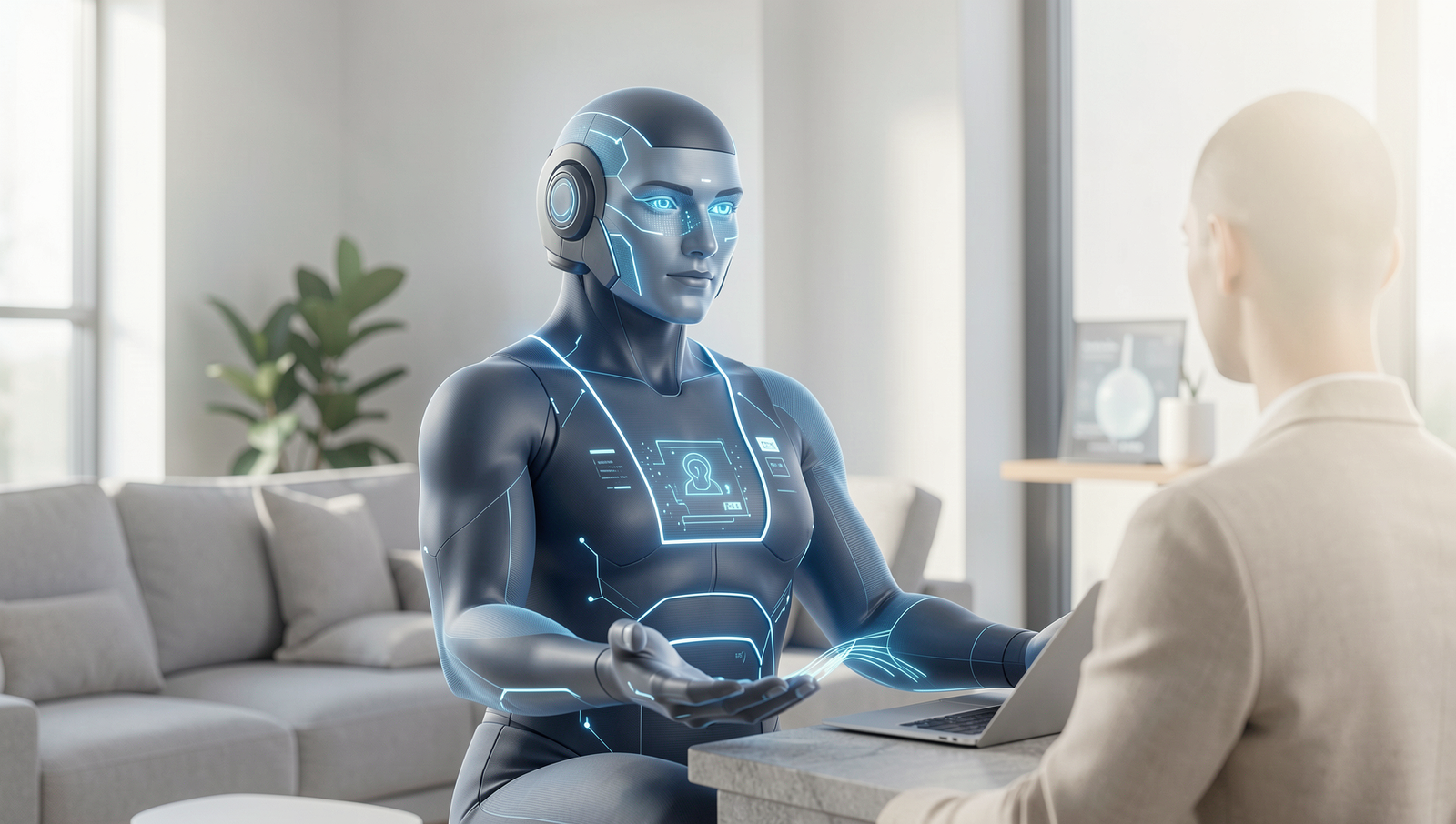
As we delve into the realm of Artificial Intelligence Trends, one of the most significant advancements is the rise of personalized AI assistants. These intelligent systems are designed to learn and adapt to individual user preferences, providing tailored recommendations that enhance daily life. For instance, an AI assistant can analyze your music listening habits and suggest playlists that align with your mood or activities.
Moreover, the integration of AI assistants with smart home devices creates a seamless control experience. Imagine being able to adjust your thermostat, turn on the lights, or even start your coffee maker with just a voice command. This level of convenience not only saves time but also enhances the overall quality of life. Here are some practical examples of how personalized AI assistants can transform everyday tasks:
- Smart Scheduling: AI assistants can manage your calendar, scheduling appointments based on your availability and preferences.
- Health Monitoring: They can track your fitness goals and suggest workouts or meal plans tailored to your dietary needs.
- Shopping Recommendations: By analyzing past purchases, AI can recommend products that fit your style and budget.
Additionally, advancements in natural language processing are improving communication between users and AI assistants. This means that users can interact with their assistants more naturally, making requests and receiving responses that feel more human-like. Enhanced privacy features are also being prioritized, ensuring that user data is protected while still allowing for personalized experiences. As these trends continue to evolve, personalized AI assistants will undoubtedly become indispensable tools in our daily lives.

AI in Healthcare
Artificial Intelligence trends are significantly reshaping the healthcare landscape, leading to improved patient outcomes and more efficient medical practices. One of the most impactful applications of AI is in predictive analytics, which enables early disease detection and prevention. By analyzing vast amounts of patient data, AI algorithms can identify patterns and risk factors, allowing healthcare providers to intervene before diseases progress. For instance, AI can predict the likelihood of conditions such as diabetes or heart disease, prompting preventive measures that can save lives.
Another transformative trend is the development of AI-driven personalized treatment plans based on genetic data. By leveraging genomic information, AI can tailor treatments to individual patients, ensuring that therapies are more effective and have fewer side effects. This approach not only enhances the efficacy of treatments but also optimizes resource allocation within healthcare systems.
Robotic surgeries represent another significant advancement, offering higher precision and reduced recovery times. AI-powered surgical robots assist surgeons in performing complex procedures with greater accuracy, minimizing the risk of complications and shortening hospital stays. This technology is particularly beneficial in delicate operations, such as neurosurgery or orthopedic procedures.
Furthermore, telemedicine powered by AI is revolutionizing patient care by facilitating remote consultations and monitoring. Patients can receive medical advice and follow-ups from the comfort of their homes, which is especially vital for those in remote areas or with mobility challenges.
- Predictive analytics for early disease detection
- Personalized treatment plans based on genetic data
- Robotic surgeries for higher precision
- Telemedicine for accessible healthcare
These trends highlight the profound impact of Artificial Intelligence on healthcare, making it more proactive, personalized, and accessible than ever before.
Smart Transportation Solutions
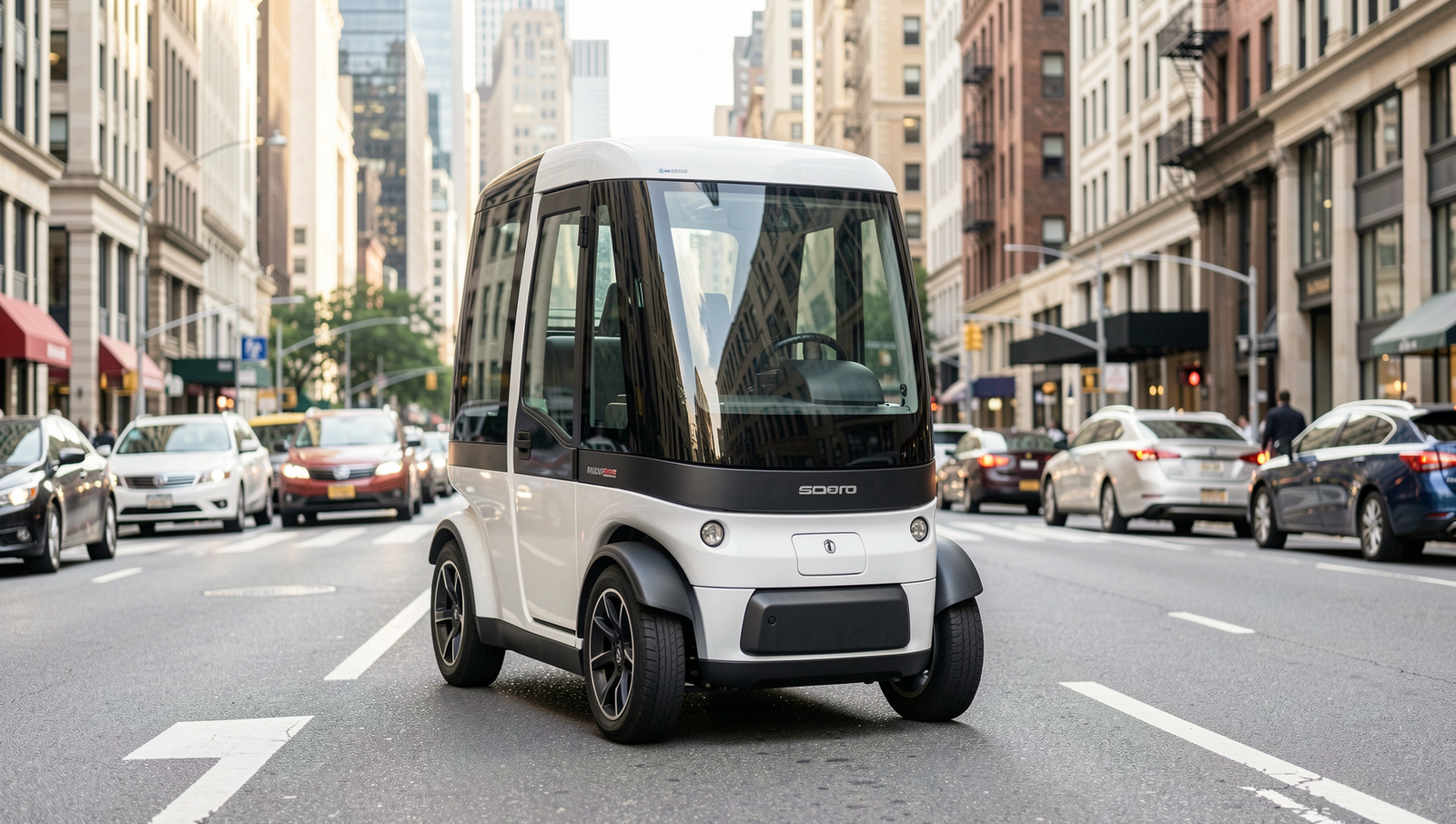
Artificial Intelligence Trends are reshaping the way we navigate our cities and travel from one place to another. One of the most significant advancements is the development of autonomous vehicles. These self-driving cars are designed to reduce traffic accidents and congestion by utilizing advanced sensors and AI algorithms. By analyzing real-time data from their surroundings, autonomous vehicles can make split-second decisions that enhance safety and efficiency on the roads.
In addition to autonomous vehicles, AI is revolutionizing public transportation. AI algorithms can optimize routes and schedules, ensuring that buses and trains run more efficiently. This not only improves the overall experience for commuters but also encourages more people to use public transport, thereby reducing the number of vehicles on the road. For example, cities like Los Angeles and London are implementing AI-driven systems to analyze passenger data and adjust services accordingly.
Moreover, real-time traffic management systems are becoming increasingly sophisticated. These systems utilize AI to monitor traffic flow and adjust signals dynamically, improving urban mobility. By analyzing data from various sources, such as cameras and sensors, these systems can predict congestion and implement measures to alleviate it. This leads to smoother traffic patterns and shorter travel times for everyone.
- Autonomous vehicles enhancing road safety.
- AI-optimized public transport improving efficiency.
- Real-time traffic management reducing congestion.
The integration of AI in transportation is not just a trend; it is a transformative force that promises to make our daily commutes safer and more efficient.

AI in Education
Artificial Intelligence trends are revolutionizing the educational landscape by creating personalized learning experiences that cater to individual student needs. Adaptive learning platforms utilize AI algorithms to assess a student’s strengths and weaknesses, allowing for tailored content delivery. This means that each student can progress at their own pace, ensuring a more effective learning journey.
In addition to adaptive learning, AI tutors are emerging as valuable resources for students seeking extra help. These AI-driven tools can provide instant feedback, answer questions, and offer explanations in real-time, making learning more accessible. For instance, platforms like Khan Academy and Duolingo employ AI to create interactive learning environments that engage students and enhance their understanding of complex subjects.
Data analytics is another critical component of AI in education. By analyzing student performance data, educators can identify at-risk students early on and implement targeted interventions. This proactive approach not only improves academic outcomes but also fosters a supportive learning environment. Schools can utilize tools like Google Classroom to track student progress and adapt teaching strategies accordingly.
Furthermore, virtual reality classrooms are becoming increasingly popular, offering immersive learning experiences that traditional classrooms cannot provide. Students can explore historical sites, conduct science experiments, or even travel through the human body, all from the comfort of their classroom. This innovative use of AI and VR technology enhances engagement and retention, making learning both fun and effective.
AI and Sustainability
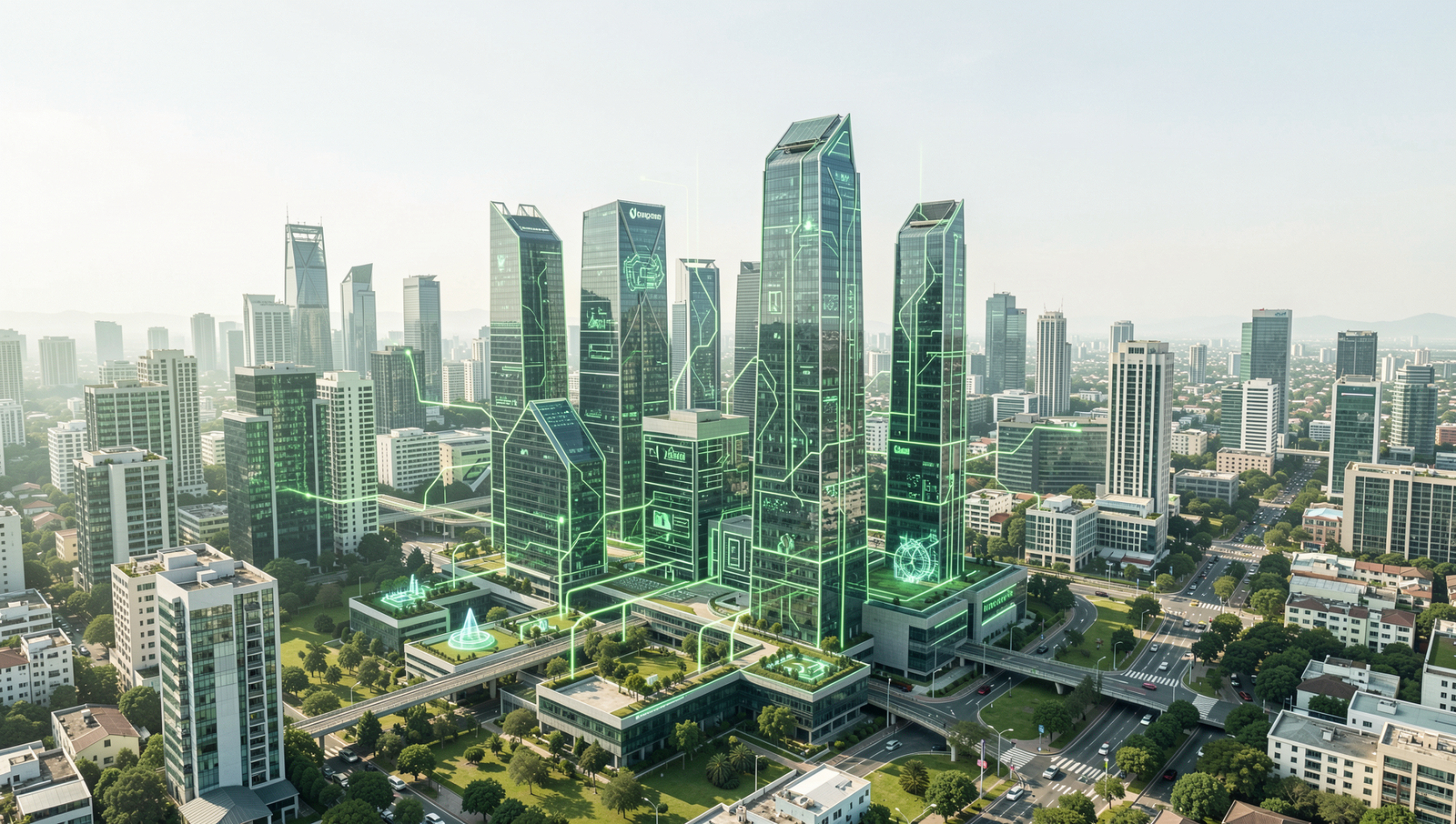
Artificial Intelligence trends are increasingly shaping the way we approach sustainability in our everyday lives. One of the most significant impacts of AI is its ability to optimize energy consumption in both homes and businesses. Smart home devices, powered by AI algorithms, can learn user habits and adjust heating, cooling, and lighting systems accordingly. This not only enhances comfort but also leads to substantial energy savings. For instance, AI can analyze data from smart meters to suggest optimal energy usage patterns, helping consumers lower their utility bills while reducing their carbon footprint.
In the manufacturing sector, predictive maintenance powered by AI is transforming how companies manage their resources. By utilizing machine learning algorithms to analyze equipment data, businesses can predict when a machine is likely to fail. This proactive approach minimizes downtime and reduces waste, as companies can schedule maintenance only when necessary. As a result, manufacturers can operate more efficiently, leading to lower resource consumption and waste generation.
Smart agriculture is another area where AI is making a significant difference. Farmers are increasingly using AI-driven tools to manage resources more effectively. For example, AI can analyze soil conditions, weather patterns, and crop health to optimize irrigation and fertilization processes. This not only maximizes yield but also conserves water and reduces chemical runoff.
Lastly, AI-driven climate modeling is enhancing our understanding of climate change. By processing vast amounts of environmental data, AI can improve the accuracy of climate predictions, enabling better planning and response strategies. This knowledge is crucial for developing sustainable practices that can mitigate the effects of climate change.

Enhanced Customer Experiences
Artificial Intelligence trends are reshaping the way businesses interact with their customers, leading to enhanced experiences that are more personalized and efficient. One of the most significant advancements is the use of AI chatbots, which provide 24/7 customer support and engagement. These chatbots can handle a multitude of queries simultaneously, ensuring that customers receive immediate assistance regardless of the time of day. For instance, companies like Amazon and Zappos utilize chatbots to guide customers through their shopping journey, answering questions and resolving issues in real-time.
Another trend is the application of predictive analytics, which allows businesses to understand consumer behavior better. By analyzing data from past purchases and online interactions, companies can anticipate what products or services a customer may need next. This insight enables businesses to tailor their offerings and marketing strategies effectively. For example, Netflix uses predictive analytics to recommend shows and movies based on users’ viewing history, enhancing user satisfaction and engagement.
Moreover, personalized marketing strategies driven by AI insights are becoming increasingly prevalent. Businesses can now create targeted advertisements that resonate with individual preferences, leading to higher conversion rates. For instance, Spotify employs AI to curate personalized playlists, making users feel valued and understood.
Lastly, augmented reality experiences enhanced by AI are transforming how customers interact with products. Retailers like IKEA use AR to allow customers to visualize furniture in their own homes before making a purchase, bridging the gap between online and offline shopping.
Conclusion
In summary, the emerging Artificial Intelligence trends are set to significantly transform our everyday lives in numerous ways. From personalized healthcare solutions that enhance patient outcomes to smart home technologies that improve energy efficiency and convenience, AI is becoming an integral part of our daily routines. These advancements not only streamline tasks but also provide us with insights that were previously unattainable, allowing for better decision-making and enhanced quality of life.
As we look to the future, it is essential to stay informed about these trends and their implications. Embracing Artificial Intelligence trends can lead to increased productivity and innovation across various sectors. Individuals and businesses alike should consider how they can leverage these technologies to improve their operations and personal lives. By actively engaging with AI developments, we can