
9 min read • 1,848 words
The Rise of AI Agents and the Future of Automated Technology
The emergence of AI agents is transforming the landscape of technology and the workforce. As we move towards 2030, it is estimated that AI agents could automate up to 40% of jobs, reshaping industries and redefining roles. This shift is not just a trend; it represents a significant change in how businesses operate. The global AI market is projected to reach an astounding $390 billion by 2025, highlighting the urgency for companies to adapt and innovate. Over 70% of organizations are already investing in AI technologies to enhance operational efficiency, recognizing the potential for AI-driven automation to boost productivity by as much as 30%.
In this article, readers will explore the capabilities of AI agents, including their ability to learn from data and improve performance autonomously. Understanding these advancements is crucial for anyone looking to navigate the future of work and technology.
Introduction to AI Agents
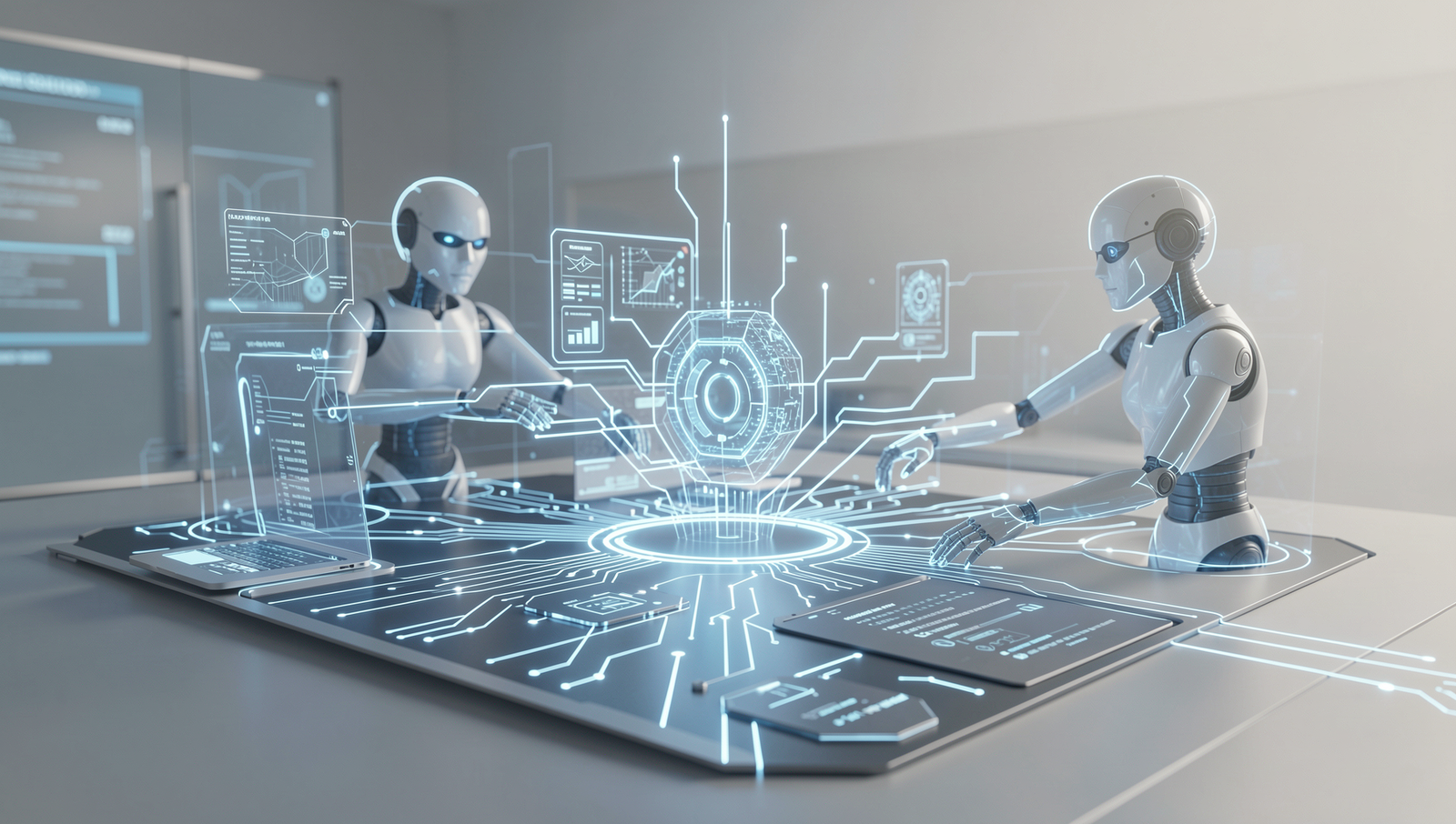
AI agents are sophisticated software programs designed to perform tasks autonomously by utilizing artificial intelligence techniques. These agents can learn from their environment, adapt to new information, and make decisions based on data analysis. Their capabilities range from simple automation of repetitive tasks to complex problem-solving and decision-making processes. For instance, AI agents are employed in customer service chatbots, virtual personal assistants like Siri and Alexa, and even in advanced robotics.
The historical context of AI development dates back to the mid-20th century when pioneers like Alan Turing and John McCarthy laid the groundwork for machine intelligence. Over the decades, advancements in computing power, data availability, and algorithmic innovations have propelled AI from theoretical concepts to practical applications. The introduction of machine learning and deep learning has significantly enhanced the capabilities of AI agents, allowing them to process vast amounts of data and improve their performance over time.
Currently, trends in AI agent technology include the integration of natural language processing, enhanced machine learning algorithms, and the rise of autonomous systems. Companies are increasingly adopting AI agents to streamline operations, improve customer experiences, and drive innovation. For example, AI agents are now being used in industries such as healthcare for diagnostics, finance for fraud detection, and logistics for supply chain optimization.
The importance of AI agents in modern society cannot be overstated. They are transforming how businesses operate, enhancing efficiency, and enabling new levels of productivity. As AI agents continue to evolve, their impact on various sectors will likely grow, making them a crucial component of the future technological landscape.
Types of AI Agents
AI agents can be classified into several categories based on their functionalities and decision-making processes. Understanding these types is crucial for grasping how they operate and their potential applications across various industries.
One of the primary types of AI agents is the reactive agent. These agents operate based on predefined rules and respond to specific stimuli in their environment. They do not possess memory or the ability to learn from past experiences. For instance, a simple chatbot that provides customer support by answering frequently asked questions is a reactive agent. It reacts to user inputs but does not adapt or evolve its responses over time.
In contrast, deliberative agents are designed to make decisions based on a more complex understanding of their environment. These agents utilize reasoning and planning to achieve specific goals. For example, an AI system used in autonomous vehicles analyzes real-time data from its surroundings to make driving decisions, such as when to stop or change lanes. This decision-making process involves evaluating multiple factors, including traffic conditions and potential obstacles.
Hybrid agents combine the strengths of both reactive and deliberative approaches. They can respond quickly to immediate stimuli while also incorporating learned experiences into their decision-making processes. An example of a hybrid agent is a personal assistant like Siri or Alexa, which can respond to voice commands while also learning user preferences over time.
AI agents find applications in various industries, including:
- Healthcare: AI agents assist in diagnosing diseases and recommending treatments.
- Finance: Automated trading systems analyze market trends to make investment decisions.
- Manufacturing: Robots equipped with AI agents optimize production processes and manage supply chains.
- Customer Service: AI chatbots handle inquiries and provide support around the clock.
As AI technology continues to evolve, the capabilities and applications of AI agents are expected to expand significantly, shaping the future of automated technology.

Technological Advancements Driving AI Agents
The rapid evolution of technology has significantly propelled the development of AI agents, making them more capable and versatile than ever before. One of the primary drivers of this advancement is machine learning, a subset of artificial intelligence that enables systems to learn from data and improve their performance over time. With the ability to analyze vast amounts of information, machine learning algorithms enhance the decision-making capabilities of AI agents, allowing them to perform complex tasks with greater accuracy.
Another crucial advancement is in natural language processing (NLP). NLP technologies have made it possible for AI agents to understand and generate human language more effectively. This has led to the creation of conversational agents, such as chatbots and virtual assistants, which can engage in meaningful interactions with users. For instance, platforms like Google Assistant and Amazon Alexa leverage NLP to provide users with information, control smart home devices, and even manage schedules.
The integration of AI with Internet of Things (IoT) devices has further expanded the functionality of AI agents. By connecting AI systems to a network of smart devices, these agents can collect real-time data and make informed decisions. For example, smart thermostats can learn user preferences and adjust heating or cooling automatically, optimizing energy consumption.
Lastly, cloud computing plays a pivotal role in the scalability of AI technologies. By providing the necessary computational power and storage, cloud services enable organizations to deploy AI agents without the need for extensive on-premises infrastructure. This accessibility allows businesses of all sizes to harness the power of AI, driving innovation across various sectors.
Applications of AI Agents in Various Sectors
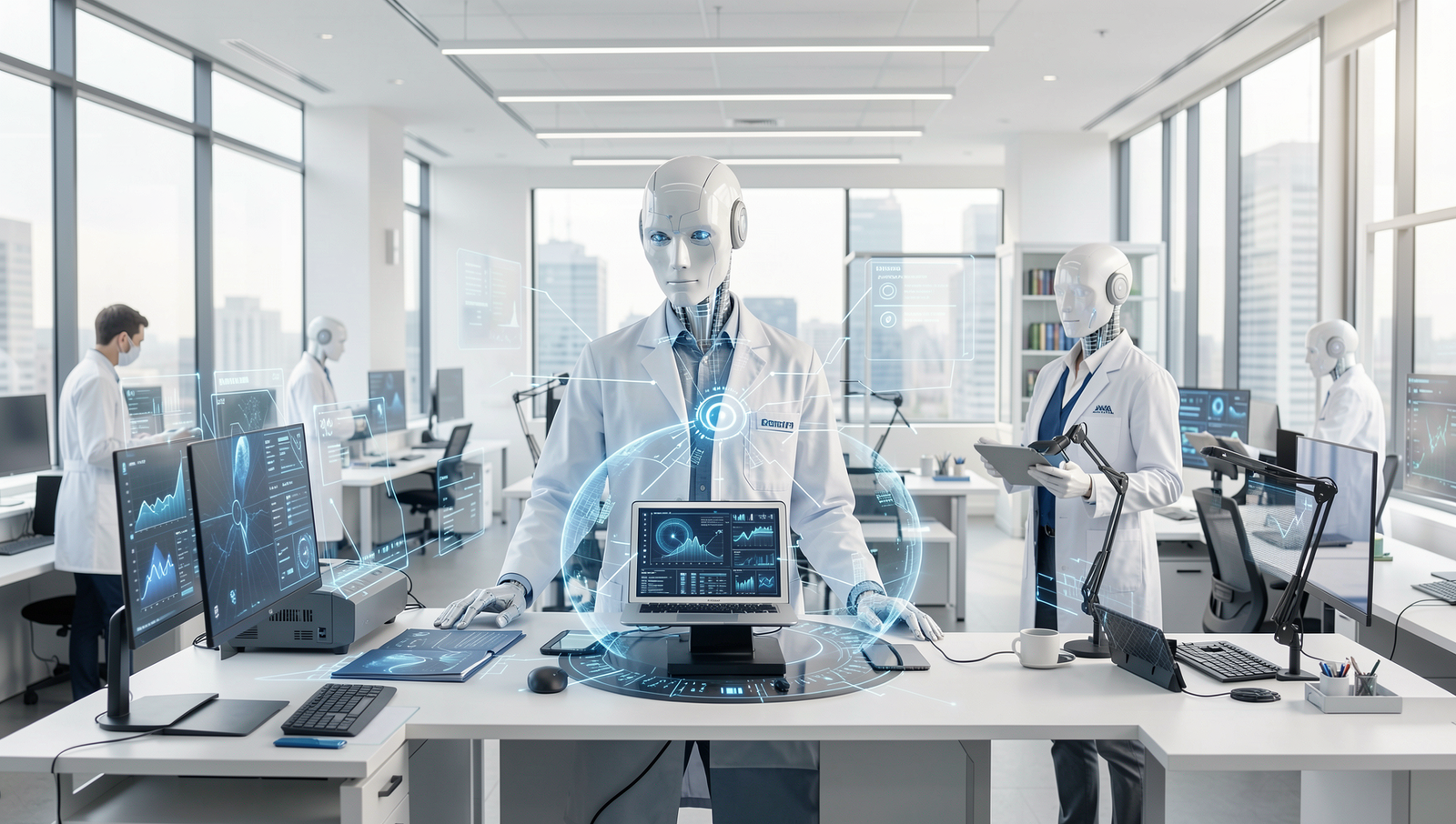
AI agents are transforming various sectors by enhancing efficiency and accuracy in tasks that were once time-consuming and prone to human error. In healthcare, AI agents are being utilized for diagnostics and patient management. For instance, AI algorithms can analyze medical images to detect anomalies such as tumors or fractures with remarkable precision. Additionally, AI agents can monitor patient data in real-time, alerting healthcare providers to potential issues before they escalate, thus improving patient outcomes.
In the finance sector, AI agents are revolutionizing trading and risk assessment. Automated trading systems powered by AI can analyze vast amounts of market data in seconds, identifying trends and executing trades at optimal times. This not only increases profitability but also minimizes risks associated with human decision-making. Furthermore, AI agents are employed in risk assessment, where they evaluate creditworthiness and detect fraudulent activities, thereby safeguarding financial institutions.
The customer service industry has also embraced AI agents through the use of chatbots and virtual assistants. These AI-driven tools can handle customer inquiries 24/7, providing instant responses and freeing human agents to tackle more complex issues. This leads to improved customer satisfaction and reduced operational costs.
Moreover, in manufacturing, AI agents play a crucial role in optimizing supply chains. They analyze data from various sources to predict demand, manage inventory levels, and streamline production processes. This not only enhances productivity but also reduces waste, contributing to more sustainable manufacturing practices.
Ethical Considerations and Challenges
The rapid advancement of AI agents has sparked significant ethical considerations and challenges that society must address. One of the primary concerns is job displacement due to automation. As AI agents become more capable of performing tasks traditionally done by humans, many fear that this will lead to widespread unemployment. For instance, industries such as manufacturing and customer service are increasingly relying on AI to enhance efficiency, which may result in a reduced need for human workers.
Another pressing issue is privacy related to data usage by AI agents. These systems often require vast amounts of personal data to function effectively, raising concerns about how this information is collected, stored, and utilized. Instances of data breaches and misuse have highlighted the need for stringent data protection measures to safeguard individuals’ privacy.
Additionally, bias in AI algorithms poses significant implications. AI agents are trained on datasets that may reflect existing societal biases, leading to unfair outcomes in areas such as hiring practices or law enforcement. For example, if an AI system is trained on historical data that reflects racial bias, it may inadvertently perpetuate these biases in its decision-making processes.
To address these challenges, regulatory frameworks for AI technology are essential. Governments and organizations must collaborate to create guidelines that ensure ethical AI development and deployment. This includes establishing standards for transparency, accountability, and fairness in AI systems.
- Job displacement and its economic impact
- Privacy concerns and data protection
- Bias in AI algorithms and its societal implications
- Need for regulatory frameworks to govern AI technology
Conclusion
The rise of AI agents marks a significant turning point in the realm of automated technology. These intelligent systems are designed to perform tasks with minimal human intervention, enhancing efficiency and productivity across various sectors. As businesses increasingly adopt AI agents, they benefit from streamlined operations, reduced costs, and improved decision-making processes. The ability of these agents to learn and adapt over time further amplifies their potential, allowing organizations to stay competitive in a rapidly evolving market.
Looking ahead, the next steps involve addressing the ethical considerations and potential challenges associated with AI agents. Ensuring transparency, accountability, and security will be crucial as these technologies become more integrated into everyday life. By fostering collaboration between technologists, policymakers, and the public, we can harness the full potential of AI agents while mitigating risks. The future of automated technology is bright, and with careful stewardship, AI agents will undoubtedly play a pivotal role in shaping it.
Frequently Asked Questions
What are AI agents?
AI agents are software programs designed to perform tasks autonomously by simulating human-like decision-making processes. They utilize machine learning algorithms and data analysis to understand their environment, enabling them to interact with users and other systems effectively. These agents can learn and adapt over time.
How do AI agents work?
AI agents operate by processing vast amounts of data to identify patterns and make informed decisions. They leverage natural language processing, computer vision, and reinforcement learning to interpret user inputs and execute tasks. Continuous learning allows them to improve their performance and accuracy.
What industries are using AI agents?
AI agents are being utilized across various industries, including healthcare, finance, retail, and customer service. In healthcare, they assist in diagnostics; in finance, they analyze market trends; in retail, they enhance customer experiences; and in customer service, they provide instant support through chatbots.