
9 min read • 1,841 words
The Ultimate Guide to Building a Better and More Balanced Lifestyle
In today’s fast-paced world, the importance of building a better lifestyle cannot be overstated. A balanced lifestyle encompasses regular physical activity, healthy eating habits, and adequate sleep, all of which are crucial for maintaining overall health and well-being. This guide aims to provide you with practical strategies and insights to help you cultivate a lifestyle that promotes not only physical health but also mental and emotional well-being. By focusing on mindfulness practices, you can effectively reduce stress and enhance your overall quality of life.
Moreover, setting achievable goals can significantly boost your motivation and satisfaction, making your journey toward a better lifestyle more fulfilling. Social connections play a vital role in mental health, contributing to longevity and happiness. Additionally, mastering time management skills can lead to a more productive and less stressful life. Join us as we explore these essential elements and empower you to take charge of your health and happiness.

Introduction to a Balanced Lifestyle
Building a better lifestyle begins with understanding what a balanced lifestyle truly means. A balanced lifestyle is one where various aspects of life—such as work, health, relationships, and personal growth—are harmoniously integrated. This equilibrium allows individuals to thrive rather than merely survive, promoting overall well-being and satisfaction.
The importance of balance in daily life cannot be overstated. When one area of life overshadows others, it can lead to stress, burnout, and dissatisfaction. For instance, focusing solely on work may result in neglecting physical health or personal relationships. Conversely, prioritizing leisure over responsibilities can lead to anxiety and missed opportunities. Striking a balance helps maintain mental clarity, emotional stability, and physical health.
To achieve a balanced lifestyle, it is essential to focus on key areas:
- Physical Health: Regular exercise, a nutritious diet, and adequate sleep are crucial for maintaining energy and vitality.
- Mental Health: Engaging in activities that stimulate the mind, such as reading or puzzles, can enhance cognitive function.
- Emotional Well-being: Practicing mindfulness and self-care can help manage stress and foster resilience.
- Social Connections: Building and nurturing relationships with family and friends provides support and enhances happiness.
This guide will delve into each of these areas, offering practical tips and strategies for readers to implement in their daily lives. By the end, you will have the tools necessary to embark on your journey toward building a better lifestyle.

Assessing Your Current Lifestyle
To embark on the journey of building a better lifestyle, the first step is to assess your current habits and routines. Self-assessment tools can help you gain insight into your daily practices and identify areas that may need improvement. Consider using a journal to track your activities, emotions, and physical health over a week. This will provide a clearer picture of your lifestyle.
Here are some practical tools for self-assessment:
- Daily Journaling: Write about your daily activities, feelings, and thoughts to identify patterns.
- Health Apps: Use apps that track your physical activity, sleep, and nutrition.
- Self-Reflection Questions: Ask yourself questions about your satisfaction in various life areas.
As you assess your lifestyle, pay attention to areas of imbalance in your physical, mental, and emotional health. For instance, if you find that you are often fatigued, it may indicate a need for better sleep hygiene or nutrition. Similarly, if you feel overwhelmed, it could suggest that you need to prioritize mental wellness activities, such as meditation or leisure time.
Reflecting on your personal values and priorities is crucial. What matters most to you? Family, career, health, or personal growth? Understanding your values will guide your decisions and help you align your actions with what you truly want in life.
Lastly, goal-setting plays a vital role in creating a balanced lifestyle. Set SMART (Specific, Measurable, Achievable, Relevant, Time-bound) goals that resonate with your values. For example, if health is a priority, you might set a goal to exercise three times a week. This structured approach will help you stay focused and motivated on your journey to building a better lifestyle.

Building Healthy Physical Habits
Building a better lifestyle begins with establishing healthy physical habits. A balanced diet is one of the cornerstones of good health. It consists of various components that work together to nourish the body. Key elements of a balanced diet include:
- Fruits and vegetables: Aim for a variety of colors to ensure a wide range of nutrients.
- Whole grains: Choose brown rice, quinoa, and whole wheat bread over refined grains.
- Lean proteins: Incorporate sources like chicken, fish, beans, and legumes.
- Dairy or alternatives: Opt for low-fat options or plant-based alternatives for calcium.
- Healthy fats: Include avocados, nuts, and olive oil in moderation.
In addition to nutrition, regular exercise and movement play a crucial role in maintaining a balanced lifestyle. Engaging in physical activity not only helps manage weight but also boosts mood and energy levels. Aim for at least 150 minutes of moderate aerobic activity each week, such as brisk walking or cycling. Strength training exercises should also be included at least twice a week.
Another vital aspect of building a better lifestyle is sleep hygiene. Quality sleep is essential for recovery and overall health. Poor sleep can lead to various health issues, including weakened immunity and increased stress levels. To improve sleep hygiene, consider these tips:
- Establish a regular sleep schedule by going to bed and waking up at the same time daily.
- Create a relaxing bedtime routine to signal your body that it’s time to wind down.
- Avoid screens and bright lights an hour before bed to promote melatonin production.
Lastly, integrating physical activity into daily life can be simple and enjoyable. Consider walking or biking to work, taking the stairs instead of the elevator, or participating in group sports or classes. Small changes can lead to significant improvements in your overall well-being.
Cultivating Mental Well-being
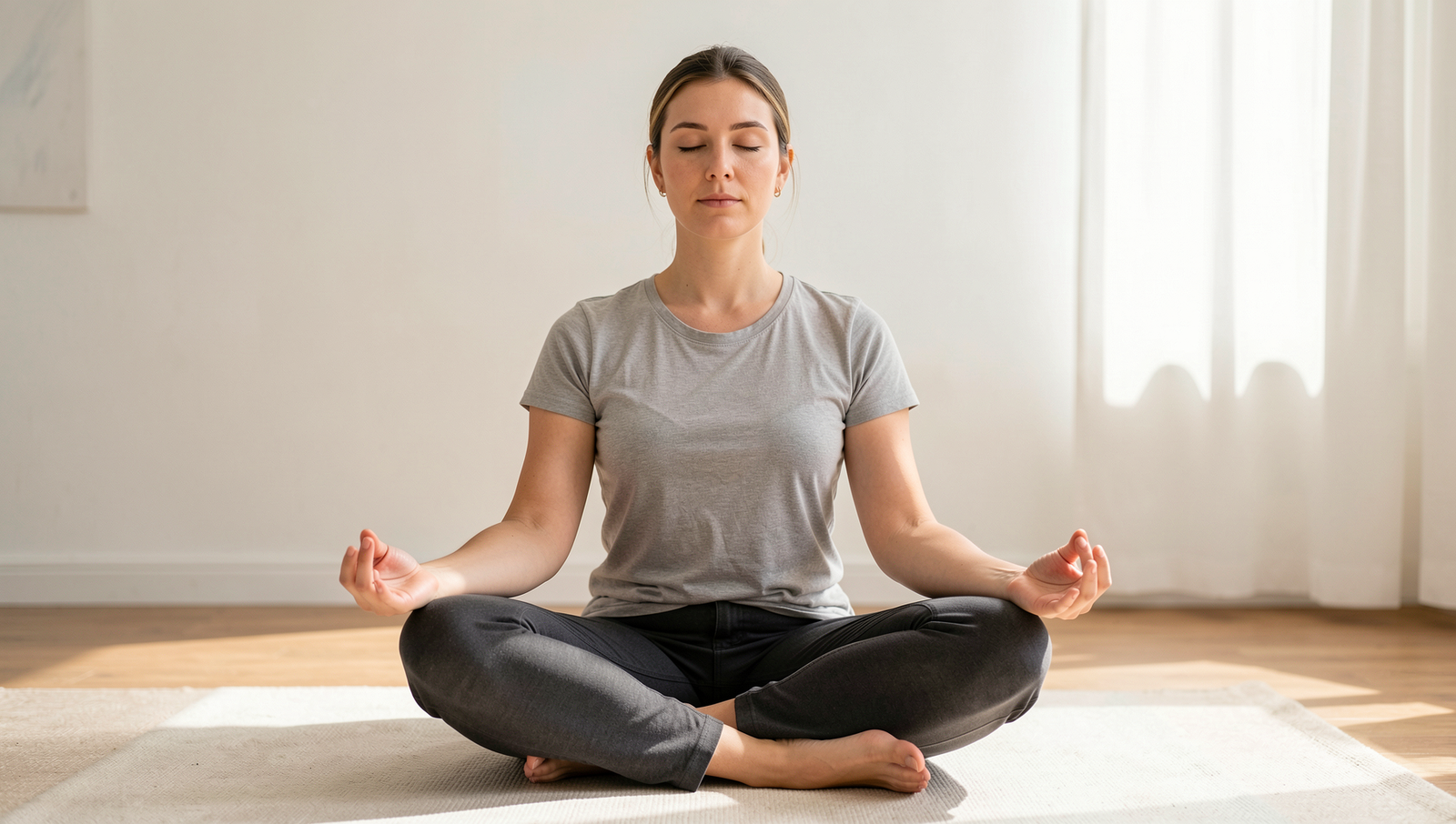
Building a better lifestyle involves not only physical health but also mental well-being. Cultivating mental health can significantly enhance your overall quality of life. One effective way to achieve this is through mindfulness and meditation practices. These techniques help center your thoughts and promote a sense of calm. Consider starting with just a few minutes each day, gradually increasing the duration as you become more comfortable. Simple practices include:
- Deep breathing exercises
- Guided meditation apps
- Mindful walking or eating
Another essential aspect of mental well-being is continuous learning and mental stimulation. Engaging your mind through reading, puzzles, or learning new skills can keep your brain sharp and improve cognitive function. For example, you might take up a new hobby, enroll in an online course, or join a book club. These activities not only stimulate your mind but also provide opportunities for social interaction, which is vital for emotional health.
Stress management techniques are also crucial in maintaining mental well-being. Regular physical activity, adequate sleep, and time spent in nature can all help reduce stress levels. Additionally, practicing gratitude by keeping a journal can shift your focus from stressors to positive aspects of your life, fostering a more positive mindset.
Incorporating these strategies into your daily routine can lead to a more balanced and fulfilling life, ultimately contributing to building a better lifestyle.

Nurturing Emotional Health
Emotional health is a crucial component of building a better lifestyle. It encompasses our ability to manage emotions, cope with stress, and maintain positive relationships. Emotional intelligence, which refers to the ability to recognize and understand our own emotions as well as those of others, plays a significant role in achieving this balance. By enhancing our emotional intelligence, we can improve our decision-making, communication, and overall well-being.
To manage emotions effectively, consider implementing the following strategies:
- Practice mindfulness: Engage in mindfulness exercises such as meditation or deep-breathing techniques to stay present and aware of your feelings.
- Identify triggers: Recognize situations or events that provoke strong emotional responses and develop coping mechanisms to address them.
- Journaling: Write down your thoughts and feelings regularly to gain clarity and process emotions in a constructive manner.
Building strong relationships and social connections is also vital for emotional health. Surrounding yourself with supportive friends and family can provide a sense of belonging and security. Make an effort to:
- Engage in regular social activities, such as joining clubs or participating in community events.
- Communicate openly with loved ones about your feelings and experiences.
- Offer support to others, which can foster deeper connections and enhance your own emotional well-being.
Lastly, self-care practices are essential for nurturing emotional health. Prioritize activities that bring you joy and relaxation, such as reading, exercising, or spending time in nature. By taking care of your emotional needs, you lay the foundation for a more balanced and fulfilling lifestyle.
Creating a Sustainable Lifestyle Plan
Building a better lifestyle begins with creating a sustainable lifestyle plan that is both realistic and achievable. Start by setting specific goals that resonate with your values and aspirations. For instance, if your aim is to improve your physical health, consider goals such as exercising three times a week or incorporating more fruits and vegetables into your diet. Make sure these goals are measurable, so you can track your progress effectively.
Tracking your progress is crucial in maintaining motivation and ensuring you stay on course. You can use various tools, such as journals, apps, or spreadsheets, to log your daily activities and achievements. Regularly reviewing your progress allows you to identify what works and what doesn’t, enabling you to make necessary adjustments. For example, if you find that a specific workout routine is not enjoyable, don’t hesitate to switch it up to something more engaging.
Accountability plays a significant role in sustaining your lifestyle changes. Consider forming a support system by sharing your goals with friends or family members. You might even join a group or find a workout buddy who shares similar aspirations. This mutual support can help keep you motivated and accountable.
Lastly, remember that flexibility is key. Life can be unpredictable, and sometimes, you may need to adapt your plans. Embrace changes and be willing to modify your goals as needed. This adaptability will help you maintain a balanced lifestyle over the long term.
Conclusion
In summary, building a better lifestyle involves a holistic approach that encompasses physical, mental, and emotional well-being. By prioritizing healthy eating, regular exercise, and mindfulness practices, individuals can significantly enhance their quality of life. The benefits of adopting such a balanced lifestyle are profound, including increased energy levels, improved mood, and a greater sense of fulfillment. It is essential to recognize that small, consistent changes can lead to substantial long-term results, making the journey toward a better lifestyle both achievable and rewarding.
As you embark on this journey, consider setting realistic goals and tracking your progress. Engage in activities that inspire you and surround yourself with supportive individuals who encourage your growth. Remember, building a better lifestyle