
9 min read • 1,837 words
Quantum Computing Explained: The Technology That Could Change the Digital World
In recent years, the term “quantum computing” has gained significant attention, and for good reason. This revolutionary technology has the potential to transform the digital landscape as we know it. Unlike classical computers that rely on bits as the smallest unit of data, quantum computers utilize qubits. This allows them to perform multiple calculations simultaneously, vastly increasing their processing power. The concept of quantum entanglement further enhances this capability, enabling qubits to be interconnected in ways that classical bits cannot achieve.
Understanding quantum computing is crucial as it opens doors to groundbreaking applications in various fields, including cryptography, drug discovery, and optimization problems. Readers will learn about the fundamental principles of quantum computing, such as quantum algorithms like Shor’s algorithm, which can factor large numbers exponentially faster than traditional methods. With major tech companies like Google and IBM heavily investing in this field, the future of quantum computing is not just a possibility; it is becoming a reality that could reshape our world.

Introduction to Quantum Computing
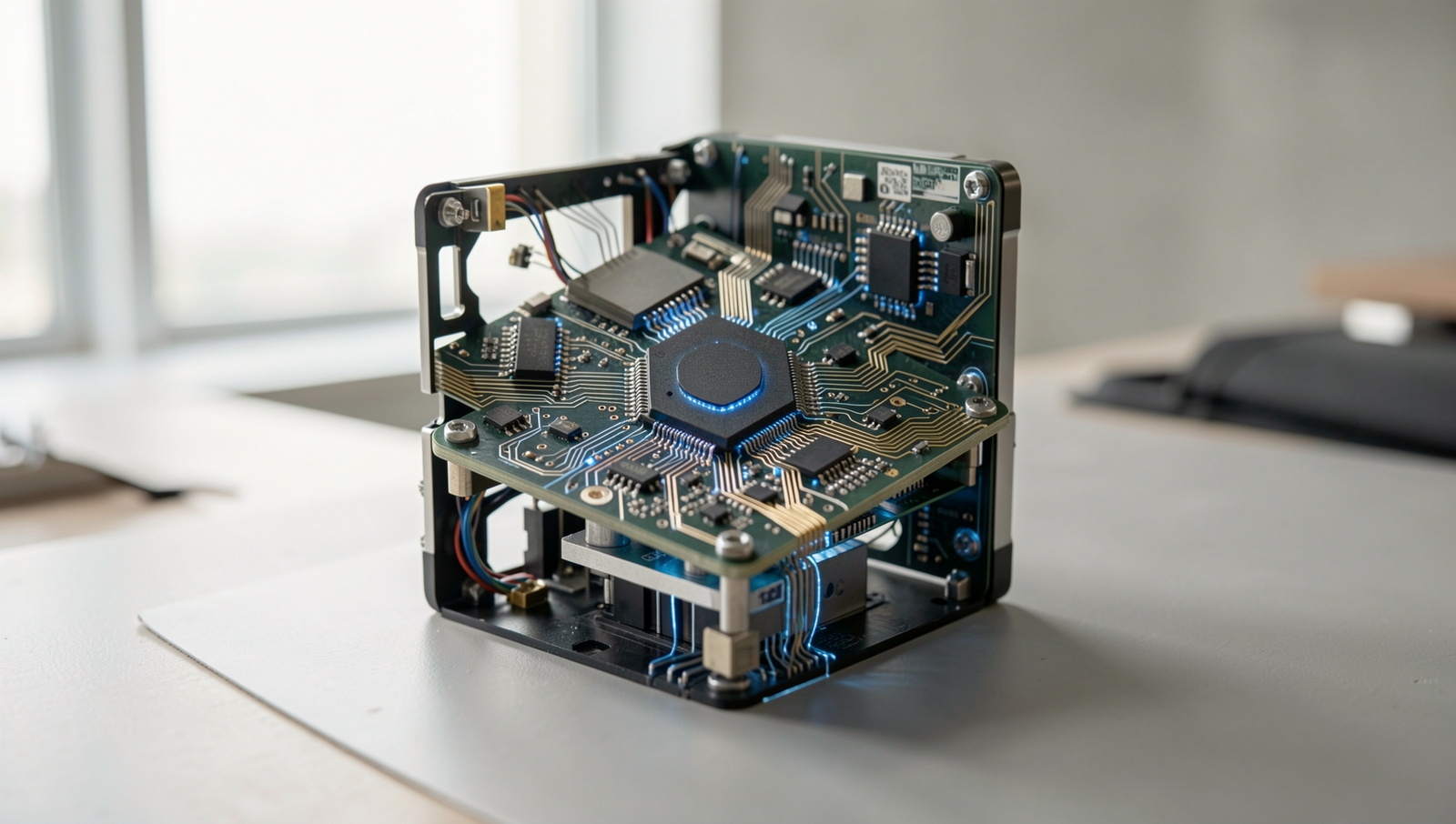
Quantum computing is a revolutionary technology that leverages the principles of quantum mechanics to process information in fundamentally different ways than classical computers. Unlike classical bits, which can be either 0 or 1, quantum bits, or qubits, can exist in multiple states simultaneously due to a property known as superposition. This capability allows quantum computers to perform complex calculations at unprecedented speeds, making them significant for various applications, including cryptography, optimization, and drug discovery.
When comparing quantum computing to classical computing, the differences become apparent. Classical computers operate using binary logic and are limited by their processing power, which scales linearly with the number of bits. In contrast, quantum computers can process an exponential amount of data simultaneously, enabling them to tackle problems that are currently intractable for classical systems.
The history of quantum computing dates back to the early 1980s when physicist Richard Feynman proposed the idea of a quantum computer. Over the decades, significant milestones have been achieved, including the development of quantum algorithms such as Shor’s algorithm for factoring large numbers and Grover’s algorithm for searching unsorted databases. These breakthroughs have spurred interest and investment in quantum technologies.
Today, the state of quantum technology is rapidly evolving. Major tech companies and research institutions are actively developing quantum processors and exploring various architectures, such as superconducting qubits and trapped ions. As of now, while practical quantum computers are still in their infancy, the potential they hold for transforming industries is immense, making quantum computing a critical area of research and development.
How Quantum Computing Works
At the heart of quantum computing explained is the concept of qubits, the fundamental units of quantum information. Unlike classical bits, which can be either 0 or 1, qubits can exist in a state of superposition, allowing them to represent both 0 and 1 simultaneously. This property significantly increases the computational power of quantum systems, enabling them to process vast amounts of information at once.
Another crucial property of qubits is entanglement, a phenomenon where the state of one qubit becomes linked to the state of another, regardless of the distance separating them. This interconnectedness allows for more complex computations and faster data processing, as changes to one qubit can instantaneously affect its entangled partner.
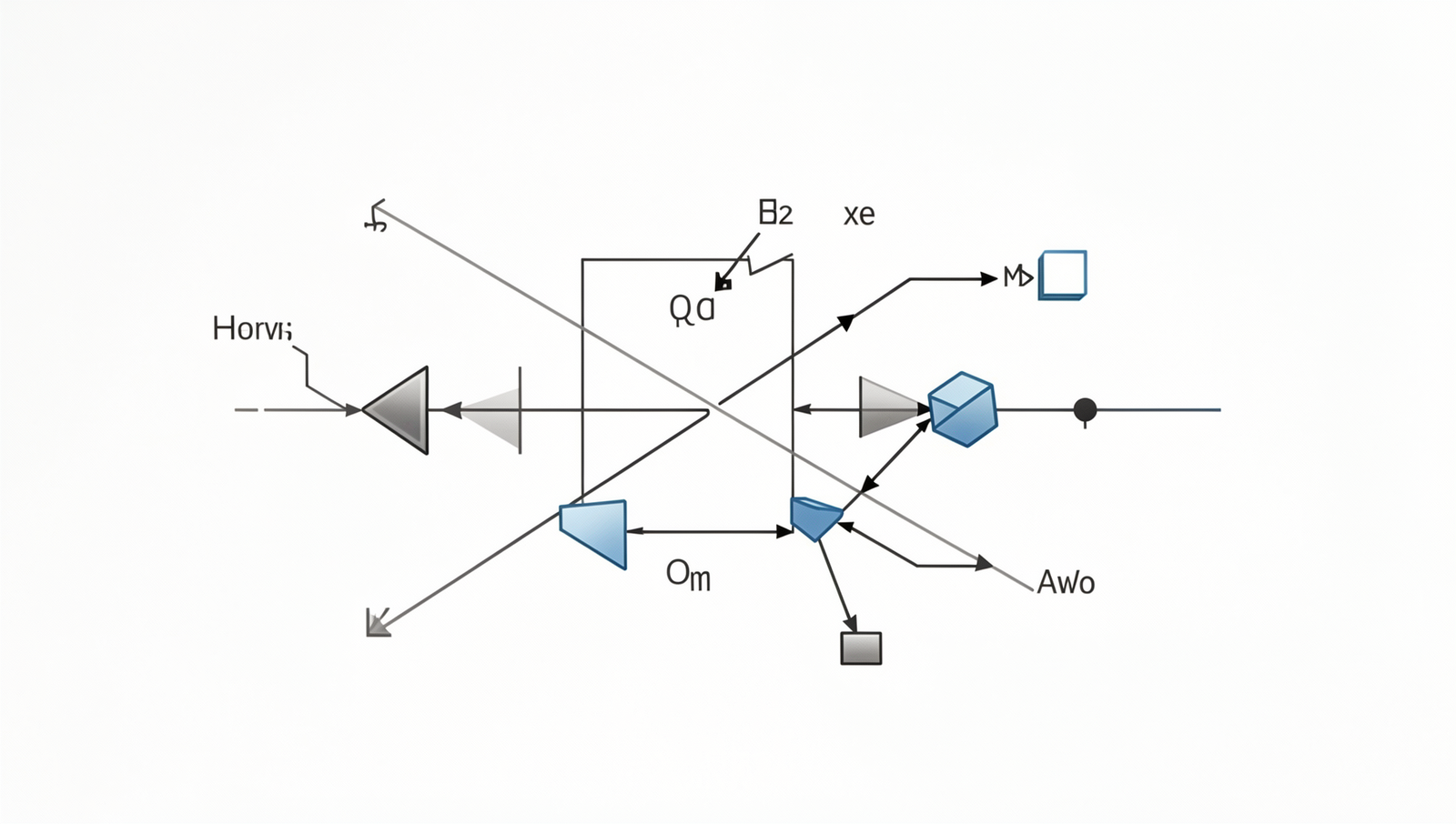
Quantum gates and circuits are essential for manipulating qubits. Quantum gates perform operations on qubits, similar to how classical logic gates operate on bits. These gates are combined to form quantum circuits, which execute quantum algorithms. For example, a simple quantum circuit might involve a series of gates that create superpositions and entanglements, preparing qubits for measurement.
Measurement in quantum computing is a critical step that collapses the superposition of qubits into a definite state, either 0 or 1. This process is probabilistic, meaning that the outcome can vary each time a measurement is made.
Several quantum algorithms have been developed to leverage these unique properties. Shor’s algorithm, for instance, can factor large numbers exponentially faster than the best-known classical algorithms, posing a significant threat to current encryption methods. Grover’s algorithm, on the other hand, provides a quadratic speedup for unstructured search problems, showcasing the potential of quantum computing to revolutionize various fields.

Applications of Quantum Computing
Quantum computing is poised to revolutionize various fields by leveraging the principles of quantum mechanics. One of the most significant impacts of this technology is in the realm of cryptography and cybersecurity. Traditional encryption methods rely on the difficulty of factoring large numbers, a task that quantum computers can perform exponentially faster than classical computers. This capability raises concerns about the security of current encryption protocols, prompting the development of quantum-resistant algorithms to safeguard sensitive information.
In the field of drug discovery and material science, quantum computing can simulate molecular interactions with unprecedented accuracy. This allows researchers to identify potential drug candidates more efficiently, reducing the time and cost associated with bringing new medications to market. For example, pharmaceutical companies are exploring quantum algorithms to model complex biological systems, which could lead to breakthroughs in treatments for diseases such as cancer and Alzheimer’s.
Moreover, quantum computing can address optimization problems prevalent in logistics and finance. Companies can utilize quantum algorithms to optimize supply chain management, route planning, and portfolio management. For instance, a logistics company could use quantum computing to determine the most efficient delivery routes, significantly reducing operational costs and improving service delivery.
Lastly, advancements in artificial intelligence and machine learning are also on the horizon with quantum computing. Quantum algorithms can process vast datasets more efficiently, leading to improved machine learning models. This could enhance applications ranging from natural language processing to image recognition, ultimately transforming how machines learn and make decisions.
Challenges and Limitations
Despite its potential, quantum computing faces several significant challenges and limitations that must be addressed before it can be widely adopted. One of the primary technical challenges is the high error rates associated with quantum computations. Quantum bits, or qubits, are highly susceptible to errors due to decoherence, which occurs when qubits lose their quantum state due to interactions with their environment. This fragility necessitates the development of error correction techniques, which can be complex and resource-intensive.
Scalability is another critical issue in quantum computing. Current quantum systems are limited in the number of qubits they can effectively manage. As the number of qubits increases, maintaining coherence and managing error rates becomes increasingly difficult. Researchers are exploring various architectures, such as superconducting qubits and trapped ions, but each comes with its own set of scalability challenges.
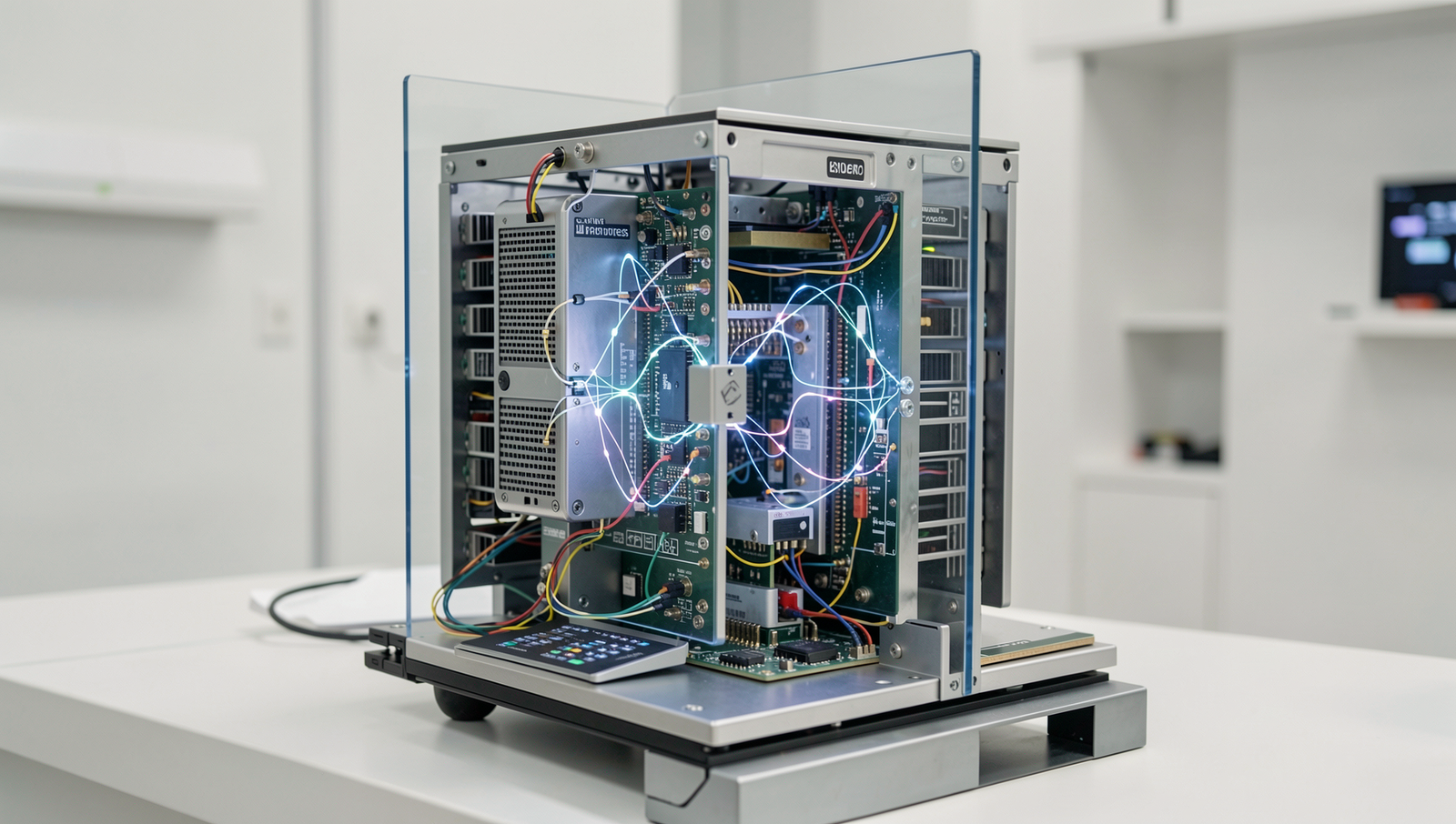
The resource requirements for quantum computing are also substantial. Quantum computers require specialized environments, including extremely low temperatures and sophisticated control systems. This makes them expensive to build and maintain, limiting access to only well-funded research institutions and companies.
Finally, ethical considerations and risks associated with quantum computing cannot be overlooked. The potential for quantum computers to break current encryption methods raises concerns about data security and privacy. As quantum technology advances, it is crucial to establish ethical guidelines and regulations to mitigate these risks and ensure responsible use of this powerful technology.

The Future of Quantum Computing
As we look ahead, the future of quantum computing appears promising, with predictions suggesting significant advancements in the coming years. Experts anticipate that by the end of the decade, quantum computers will surpass classical computers in specific tasks, marking a milestone known as quantum supremacy. This phenomenon could revolutionize industries such as cryptography, drug discovery, and complex system modeling.
The potential for quantum supremacy is not merely theoretical. Companies like Google and IBM are already making strides in developing quantum processors capable of solving problems that are currently infeasible for classical computers. For instance, quantum computing could enable the simulation of molecular interactions at an unprecedented scale, leading to breakthroughs in materials science and pharmaceuticals.
The impact of quantum computing on the global technology landscape could be transformative. Here are some potential effects:
- Enhanced data security through quantum encryption methods.
- Accelerated artificial intelligence algorithms, making them more efficient.
- Revolutionized supply chain management with optimized logistics.
Collaboration between academia and industry will be crucial in realizing the full potential of quantum computing. Universities are partnering with tech giants to foster innovation and research, creating a robust ecosystem that encourages knowledge sharing and development. This synergy is essential for addressing the challenges that quantum computing presents, such as error correction and scalability, ensuring that the technology can be effectively integrated into our digital world.

Getting Started with Quantum Computing
Quantum computing is an exciting and rapidly evolving field that promises to revolutionize the way we process information. To embark on your journey into quantum computing, it’s essential to familiarize yourself with the necessary resources and tools available for learning quantum programming. Here are some valuable resources to get you started:
- Qiskit: An open-source quantum computing software development framework created by IBM. It allows users to create and run quantum algorithms on simulators and real quantum computers.
- Cirq: Developed by Google, Cirq is a Python library for creating, editing, and invoking Noisy Intermediate Scale Quantum (NISQ) circuits.
In addition to these frameworks, numerous online courses and tutorials can help you grasp the fundamentals of quantum computing. Platforms like Coursera, edX, and Udacity offer courses ranging from introductory topics to advanced quantum algorithms. These courses often include hands-on projects that allow you to apply what you’ve learned in practical scenarios.
Joining community forums and discussion groups can also enhance your learning experience. Websites like Stack Overflow, Reddit, and specialized quantum computing forums provide platforms for enthusiasts to ask questions, share knowledge, and collaborate on projects. Engaging with these communities can provide insights and tips that are invaluable for beginners.
As the field of quantum technology continues to grow, so do the career opportunities. Industries such as cryptography, pharmaceuticals, and finance are increasingly seeking professionals skilled in quantum computing. By investing time in learning this technology, you can position yourself for a promising future in a field that is set to change the digital world.
Conclusion
In summary, quantum computing explained reveals a transformative technology that has the potential to revolutionize various sectors, from cryptography to drug discovery. By harnessing the principles of quantum mechanics, quantum computers can process vast amounts of data at unprecedented speeds, solving complex problems that are currently beyond the reach of classical computers. This capability not only enhances computational power but also opens new avenues for innovation, enabling breakthroughs in artificial intelligence, materials science, and optimization problems.
As we look to the future, the next steps in quantum computing involve continued research and development to overcome existing technical challenges, such as error correction and qubit stability. Collaboration between academia, industry, and governments will be crucial in accelerating advancements and making quantum computing accessible. With ongoing investments and interest, we stand on the