

9 min read • 1,846 words
Cloud Computing Trends Reshaping the Future of Digital Business
As we venture deeper into the digital age, understanding the latest cloud computing trends is crucial for businesses aiming to thrive. The global cloud computing market is projected to reach an astounding $832.1 billion by 2025, a significant indicator of its growing importance in the business landscape. This surge is largely driven by the increasing adoption of hybrid cloud solutions, which are expected to grow by 45% in the next three years. Such trends highlight the need for flexibility and scalability in today’s fast-paced market.
In this article, readers will explore how the integration of AI and machine learning within cloud services is revolutionizing data analytics, enabling businesses to make informed decisions faster. Additionally, we will discuss the rise of cloud-native technologies like Kubernetes, which are becoming essential for modern application development. Finally, we will delve into evolving security measures, including zero-trust architectures, which are critical for maintaining compliance and safeguarding sensitive data.

Emergence of Multi-Cloud Strategies
In recent years, the trend of adopting multi-cloud strategies has gained significant traction among businesses. This approach allows organizations to utilize services from multiple cloud providers, thereby avoiding the pitfalls of vendor lock-in. By diversifying their cloud environments, companies can maintain greater flexibility and control over their data and applications.
One of the primary advantages of multi-cloud strategies is enhanced resilience and redundancy. By distributing workloads across various cloud platforms, businesses can ensure that their operations remain uninterrupted even if one provider experiences downtime. This level of reliability is crucial for maintaining customer trust and operational efficiency.
Moreover, organizations can leverage best-of-breed services from different providers. For instance, a company might choose to use Amazon Web Services (AWS) for its computing power, Google Cloud for its data analytics capabilities, and Microsoft Azure for its enterprise applications. This strategy allows businesses to tailor their cloud solutions to meet specific needs, optimizing performance and functionality.
- Improved flexibility in service selection
- Increased operational resilience
- Enhanced security through diversified environments
- Cost optimization by selecting the most economical services
Cost optimization is another critical factor driving the adoption of multi-cloud strategies. By comparing pricing models and service offerings, organizations can identify the most cost-effective solutions for their needs. This strategic approach not only reduces expenses but also maximizes the return on investment in cloud technologies.
Increased Focus on Cloud Security
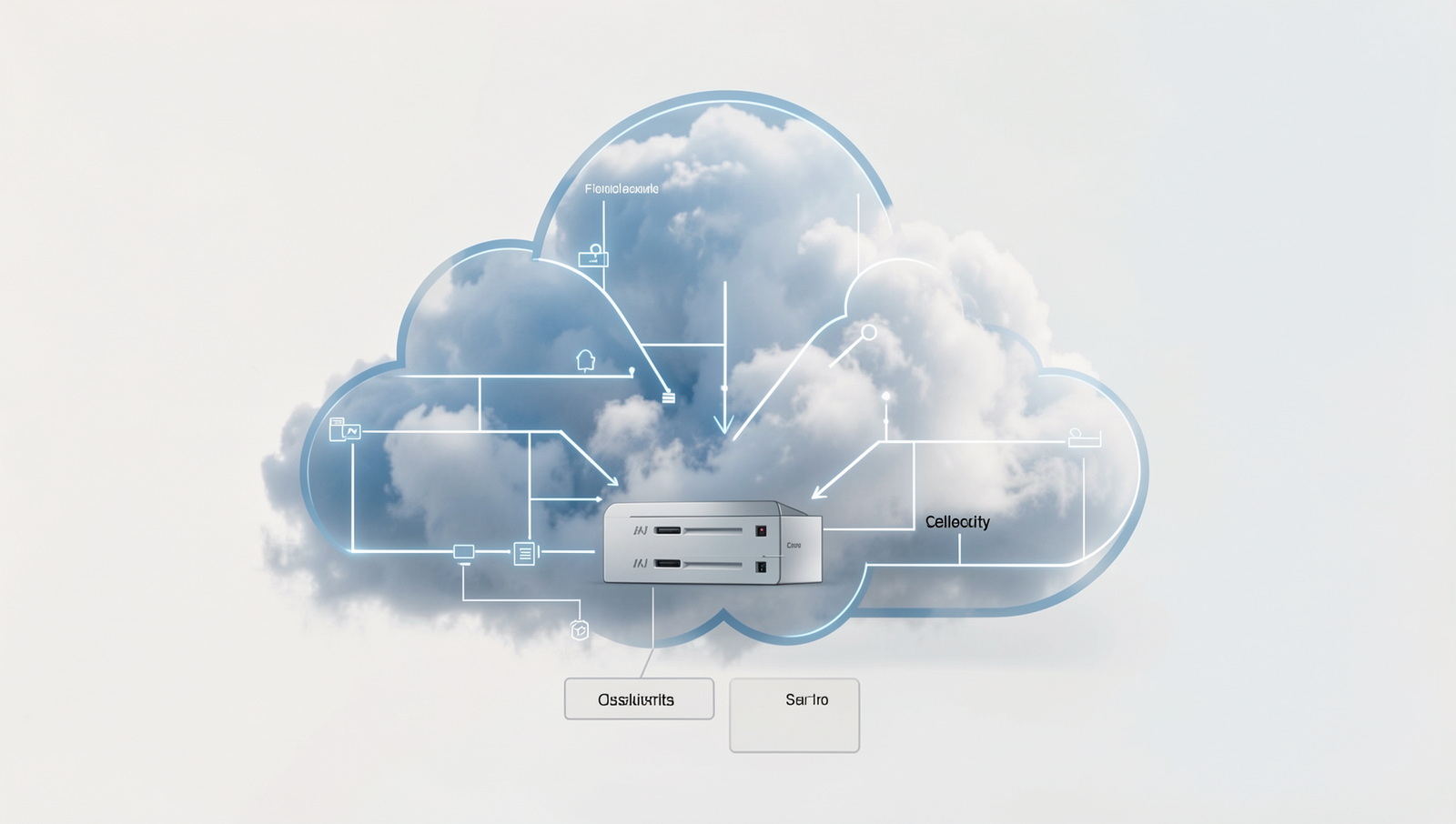
As businesses increasingly migrate to cloud environments, the focus on cloud security has intensified. Growing concerns over data breaches and compliance regulations have prompted organizations to prioritize the protection of sensitive information. According to recent studies, over 60% of companies cite security as their primary concern when adopting cloud solutions. This shift in mindset is reshaping cloud computing trends, as organizations seek to safeguard their data against evolving cyber threats.
To address these challenges, companies are investing heavily in advanced security measures. Technologies such as artificial intelligence (AI) and machine learning are becoming integral to cloud security strategies. These technologies enable organizations to detect anomalies and respond to threats in real-time, significantly reducing the risk of data breaches. For instance, AI-driven security tools can analyze vast amounts of data to identify patterns and predict potential vulnerabilities.
Another significant trend is the adoption of zero trust architecture, which is becoming a standard practice in cloud security. This approach operates on the principle that no user or device should be trusted by default, regardless of their location. By implementing strict access controls and continuous verification, organizations can minimize the risk of unauthorized access to their cloud resources.
- Enhanced encryption methods to protect data at rest and in transit.
- Regular security audits and compliance checks to meet regulatory standards.
- Collaboration with cloud service providers to implement robust security frameworks.
Cloud service providers are also enhancing their security offerings, providing businesses with tools and resources to bolster their defenses. As the landscape of cloud computing continues to evolve, a proactive approach to security will be essential for organizations looking to thrive in the digital age.
Rise of Serverless Computing
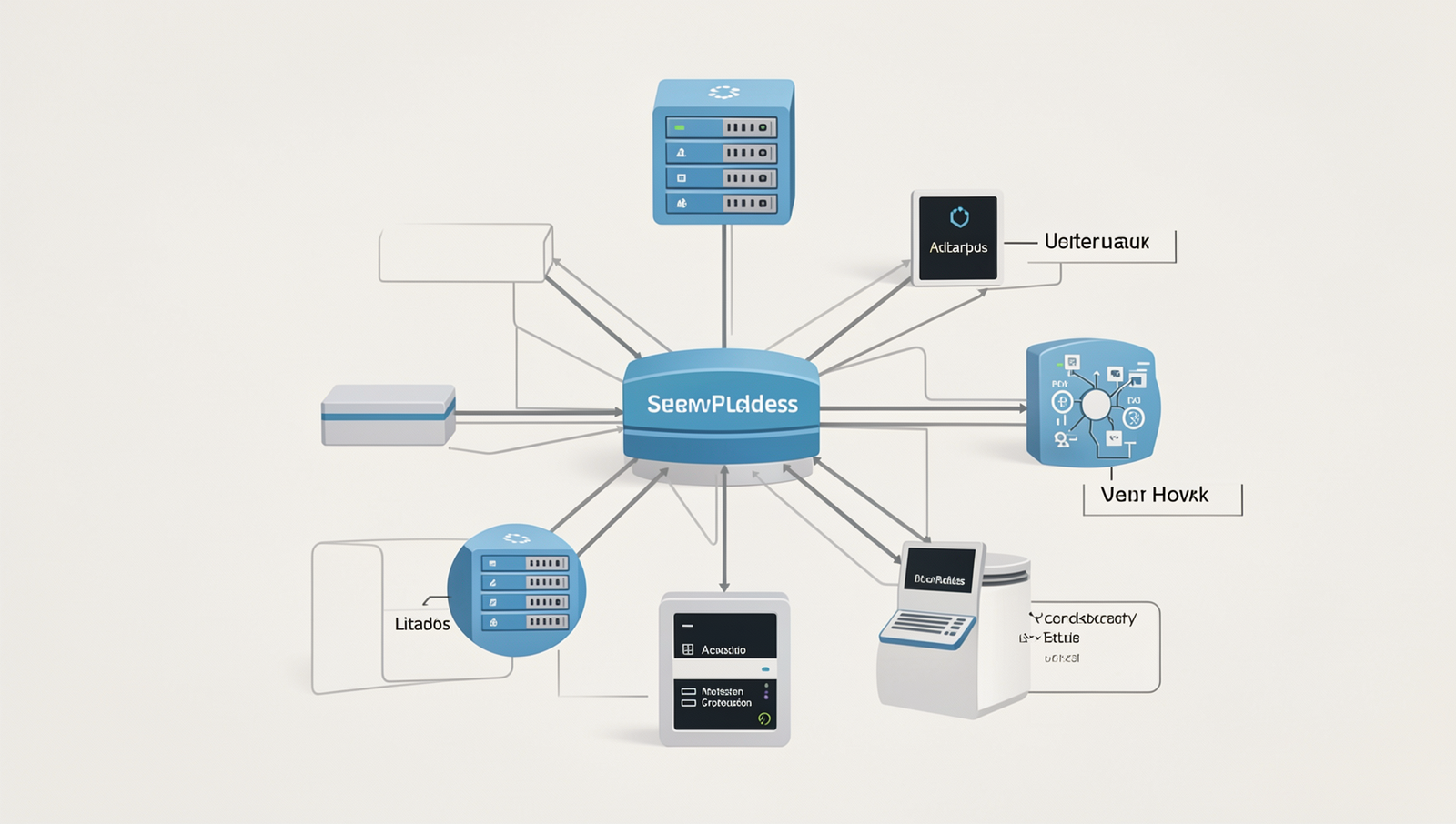
Serverless computing is rapidly emerging as a significant trend in cloud computing, fundamentally changing how developers approach application development. This architecture allows developers to concentrate on writing code without the burden of managing the underlying infrastructure. By abstracting away server management, developers can focus on building features and functionality that enhance user experience.
One of the most compelling advantages of serverless computing is its cost efficiency. With traditional server setups, businesses often pay for unused capacity, leading to wasted resources. In contrast, serverless architectures operate on a pay-per-use model, meaning organizations only pay for the compute time they consume. This model can lead to substantial savings, especially for applications with variable workloads.
Scalability and flexibility are also key benefits of serverless computing. Applications can automatically scale based on demand, ensuring that resources are allocated efficiently. For instance, during peak usage times, serverless platforms can dynamically allocate more resources, while scaling down during off-peak hours. This elasticity allows businesses to respond quickly to changing market conditions.
Moreover, serverless computing accelerates the time-to-market for new applications. Developers can deploy code quickly without worrying about provisioning servers or configuring infrastructure. This rapid deployment capability enables businesses to innovate faster and stay competitive in an ever-evolving digital landscape.
- Focus on code rather than infrastructure management.
- Cost savings through pay-per-use pricing models.
- Automatic scaling based on application demand.
- Faster deployment and time-to-market.
Adoption of Artificial Intelligence and Machine Learning in Cloud
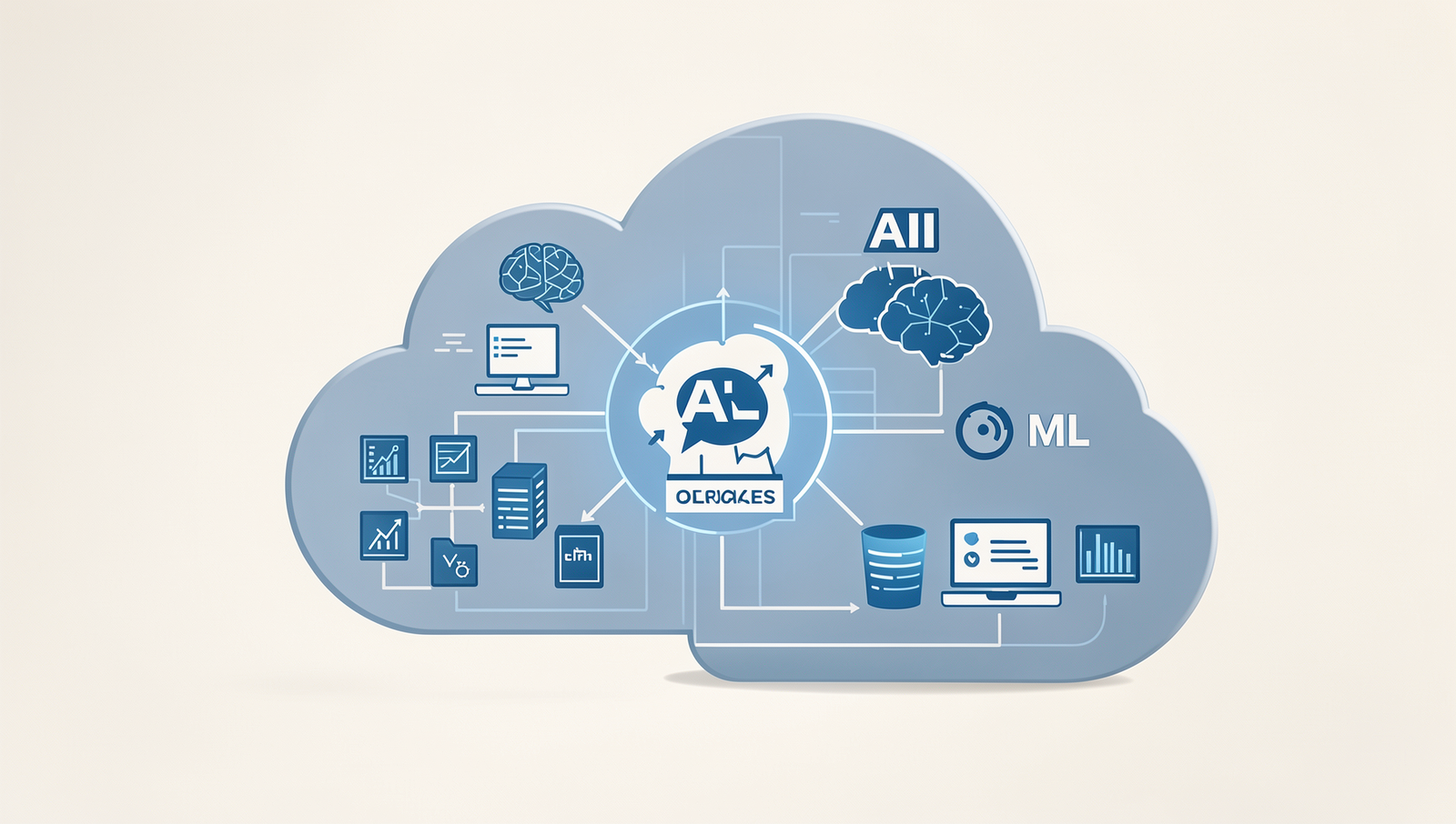
As cloud computing trends continue to evolve, the integration of Artificial Intelligence (AI) and Machine Learning (ML) services into cloud platforms is becoming increasingly prevalent. This integration is transforming how businesses analyze data and derive insights, leading to enhanced analytics capabilities. Major cloud providers like Amazon Web Services, Microsoft Azure, and Google Cloud are offering robust AI and ML tools that allow organizations to leverage their data more effectively.
One of the key benefits of adopting AI and ML in the cloud is the automation of processes. By automating routine tasks, businesses can significantly increase their operational efficiency. For instance, AI algorithms can manage data entry, customer inquiries, and even predictive maintenance, freeing up human resources for more strategic initiatives. This not only reduces costs but also minimizes the risk of human error.
Furthermore, AI-driven insights enable better decision-making and improved customer experiences. Businesses can analyze customer behavior patterns and preferences, allowing them to tailor their offerings and marketing strategies accordingly. For example, e-commerce platforms can utilize AI to recommend products based on previous purchases, enhancing user engagement and satisfaction.
- Enhanced data analytics capabilities through AI integration.
- Automation of routine tasks leading to cost savings.
- Improved customer experiences via personalized recommendations.
In conclusion, the adoption of AI and ML in cloud computing is reshaping the digital landscape, driving innovation, and enabling businesses to operate more efficiently and effectively.
Growth of Edge Computing
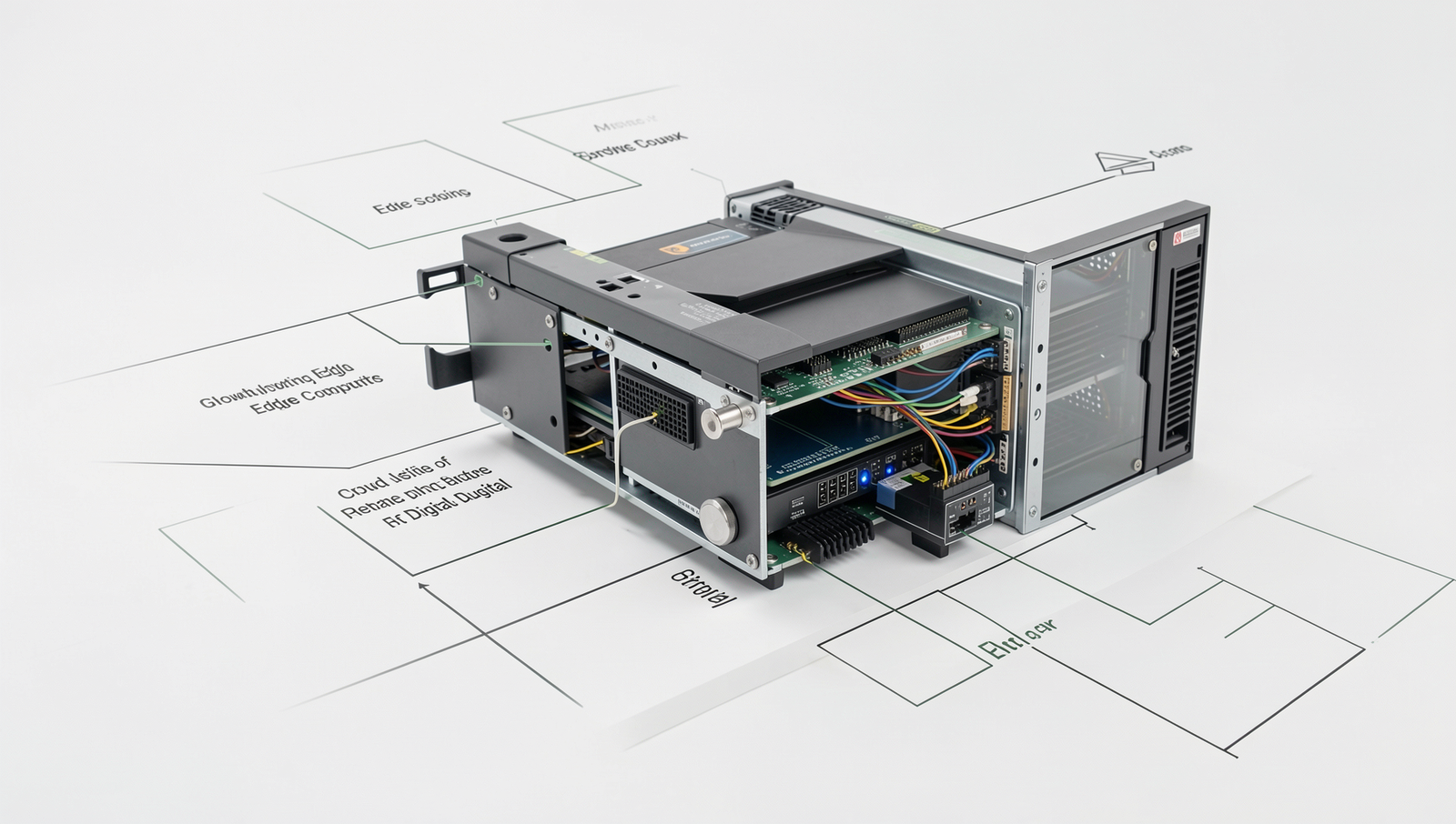
One of the most significant cloud computing trends reshaping the future of digital business is the growth of edge computing. This technology reduces latency by processing data closer to the source, which is particularly crucial in today’s fast-paced digital landscape. By minimizing the distance data must travel, edge computing enables quicker response times and enhances overall performance.
Edge computing is especially beneficial for Internet of Things (IoT) applications, where real-time data processing is essential. For instance, smart manufacturing systems can analyze sensor data on-site, allowing for immediate adjustments to machinery operations. This not only improves efficiency but also reduces downtime, ultimately leading to cost savings for businesses.
Moreover, cloud and edge computing are increasingly working in tandem to optimize performance. While edge computing handles immediate data processing needs, the cloud serves as a centralized hub for data storage and more complex analytics. This hybrid approach allows organizations to leverage the strengths of both technologies, ensuring that they can respond to real-time demands while also benefiting from the cloud’s scalability and computational power.
- Enhanced user experiences through reduced latency.
- Improved operational efficiency in industries like manufacturing and logistics.
- Better data security by processing sensitive information locally.
As businesses continue to adopt edge computing, the demand for this technology is expected to rise, driving further innovation in cloud computing trends and reshaping the digital business landscape.
Sustainability and Green Cloud Initiatives
As businesses increasingly adopt cloud computing trends, sustainability has emerged as a critical focus area. Major cloud providers are committing to renewable energy sources, recognizing the importance of reducing their carbon footprints. For instance, companies like Google and Microsoft have pledged to operate their data centers on 100% renewable energy. This commitment not only helps mitigate environmental impact but also appeals to environmentally conscious consumers.
Energy-efficient data centers and operations are at the forefront of these green initiatives. Cloud providers are investing in advanced cooling technologies, optimizing server utilization, and employing artificial intelligence to manage energy consumption effectively. For example, Amazon Web Services has implemented machine learning algorithms to predict and manage energy needs, significantly reducing waste and improving efficiency.
Moreover, sustainability is becoming a competitive differentiator for businesses. Companies that prioritize green cloud solutions can enhance their brand reputation and attract customers who value corporate responsibility. A recent survey indicated that over 70% of consumers are more likely to purchase from companies that demonstrate a commitment to sustainability.
Regulatory pressures are also driving the adoption of green cloud strategies. Governments worldwide are implementing stricter regulations on carbon emissions, pushing organizations to adopt sustainable practices. As a result, businesses are increasingly turning to cloud providers that prioritize eco-friendly operations, ensuring compliance while also contributing to a healthier planet.
- Commitment to renewable energy sources
- Investment in energy-efficient technologies
- Sustainability as a brand differentiator
- Regulatory compliance driving green initiatives
Conclusion
In summary, the cloud computing trends reshaping the future of digital business are pivotal in driving innovation and efficiency across various sectors. The rise of multi-cloud strategies, serverless computing, and edge computing are just a few examples of how organizations are leveraging cloud technologies to enhance their operations. These trends not only improve scalability and flexibility but also reduce costs and increase collaboration among teams. As businesses continue to adapt to the digital landscape, embracing these cloud computing trends will be essential for maintaining a competitive edge.
Looking ahead, organizations must prioritize the integration of these trends into their strategic planning. By investing in cloud solutions that align with their specific needs, businesses can unlock new opportunities for growth and transformation. As the digital ecosystem evolves, staying informed about emerging cloud computing trends will empower companies to navigate challenges and capitalize on the benefits of cloud technology, ensuring long-term success in an increasingly digital world.
Frequently Asked Questions

What is cloud computing?
Cloud computing is the delivery of computing services over the internet, allowing users to access and store data on remote servers instead of local devices. This technology enables flexibility, scalability, and cost-effectiveness, making it easier for businesses