
9 min read • 1,840 words
Smart Home Technology Trends Changing Modern Living
In today’s fast-paced world, smart home technology trends are revolutionizing the way we live, offering convenience, safety, and efficiency. As we look toward the future, the number of smart home devices is projected to reach an astounding 1.4 billion units by 2025. This surge in adoption highlights the growing importance of technology in our daily lives. Readers will discover how these advancements are not just about luxury but also about enhancing security and managing energy consumption effectively.
Voice-activated assistants have become the most popular smart home devices, with over 50% of households utilizing them for various tasks. Additionally, smart security systems are expected to grow by 20% annually, driven by increasing safety concerns among homeowners. Furthermore, energy management systems can significantly reduce energy consumption by up to 30%, showcasing the potential for smart homes to contribute to a more sustainable future. The global smart home market is on track to exceed $174 billion by 2025, underscoring the transformative impact of these trends on modern living.
Emergence of AI in Smart Homes
The integration of artificial intelligence (AI) in smart home technology trends is revolutionizing modern living. One of the most significant advancements is the use of predictive analytics in home automation. By analyzing user behavior and preferences, AI can anticipate needs and adjust settings accordingly. For instance, smart thermostats can learn when occupants are home or away, optimizing heating and cooling to save energy and enhance comfort.
Voice-activated assistants, such as Amazon Alexa and Google Assistant, are also transforming the user experience in smart homes. These devices allow users to control various aspects of their home environment through simple voice commands. From adjusting lighting to playing music or managing appliances, the convenience of voice control makes smart home technology more accessible and user-friendly.
Moreover, AI-driven security systems are becoming essential for real-time threat detection. These systems utilize machine learning algorithms to identify unusual activity and send alerts to homeowners. For example, smart cameras can differentiate between pets and intruders, reducing false alarms and increasing security effectiveness.
Personalized home environments are another exciting development made possible by AI. Machine learning algorithms can analyze individual preferences and create tailored settings for lighting, temperature, and even entertainment options. This level of customization enhances the overall living experience, making homes not just smarter but also more attuned to the needs of their inhabitants.
- Predictive analytics for energy efficiency
- Voice-activated control for convenience
- Real-time security monitoring
- Personalized settings for comfort
Advancements in IoT Connectivity
The rise of smart home technology trends is significantly influenced by advancements in Internet of Things (IoT) connectivity. One of the most notable developments is the rollout of 5G technology, which enables seamless integration of various smart devices. With 5G, the speed and reliability of data transmission increase dramatically, allowing devices to communicate with each other in real-time. This means that homeowners can control their smart appliances, security systems, and lighting with minimal delay, enhancing the overall user experience.
However, the integration of multiple devices often leads to interoperability challenges within smart home ecosystems. Different manufacturers may use varying protocols and standards, making it difficult for devices to work together. To address this issue, several solutions have emerged:
- Adoption of universal standards such as Matter, which aims to unify device communication.
- Development of software platforms that facilitate cross-device compatibility.
- Increased collaboration among tech companies to create interoperable products.
Moreover, the increased communication between devices allows for enhanced automation. For instance, a smart thermostat can adjust the temperature based on data received from smart window sensors, optimizing energy usage. Additionally, smart hubs serve as central control units for IoT devices, allowing users to manage their entire smart home ecosystem from a single interface. This centralization not only simplifies control but also enhances security, as users can monitor and manage all connected devices in one place.
Sustainability and Energy Efficiency
As the world becomes increasingly aware of environmental issues, smart home technology trends are evolving to prioritize sustainability and energy efficiency. Homeowners are now leveraging advanced technologies to reduce their carbon footprint while enhancing their living spaces. One of the most significant innovations in this area is the smart thermostat, which optimizes energy consumption by learning user habits and adjusting heating and cooling systems accordingly. For instance, devices like the Nest Learning Thermostat can automatically lower the temperature when no one is home, resulting in substantial energy savings.
Another trend is the integration of solar energy systems with smart home technology. Homeowners can now monitor and control their solar panels through mobile applications, ensuring they maximize energy production and usage. This integration not only reduces reliance on non-renewable energy sources but also allows for greater independence from traditional utility companies.
Energy monitoring tools are also gaining popularity, providing real-time tracking of energy usage. Devices such as the Sense Energy Monitor allow users to see which appliances consume the most energy, enabling them to make informed decisions about their usage. This data-driven approach helps households identify areas where they can cut back and save money on their energy bills.
- Smart thermostats like Nest and Ecobee
- Solar panel integration with home automation systems
- Energy monitoring tools such as Sense and Neurio
- Use of sustainable materials in devices like bamboo smart speakers
By incorporating these smart home technology trends, homeowners can create a more sustainable living environment while enjoying the convenience of modern technology.
Home Security Innovations
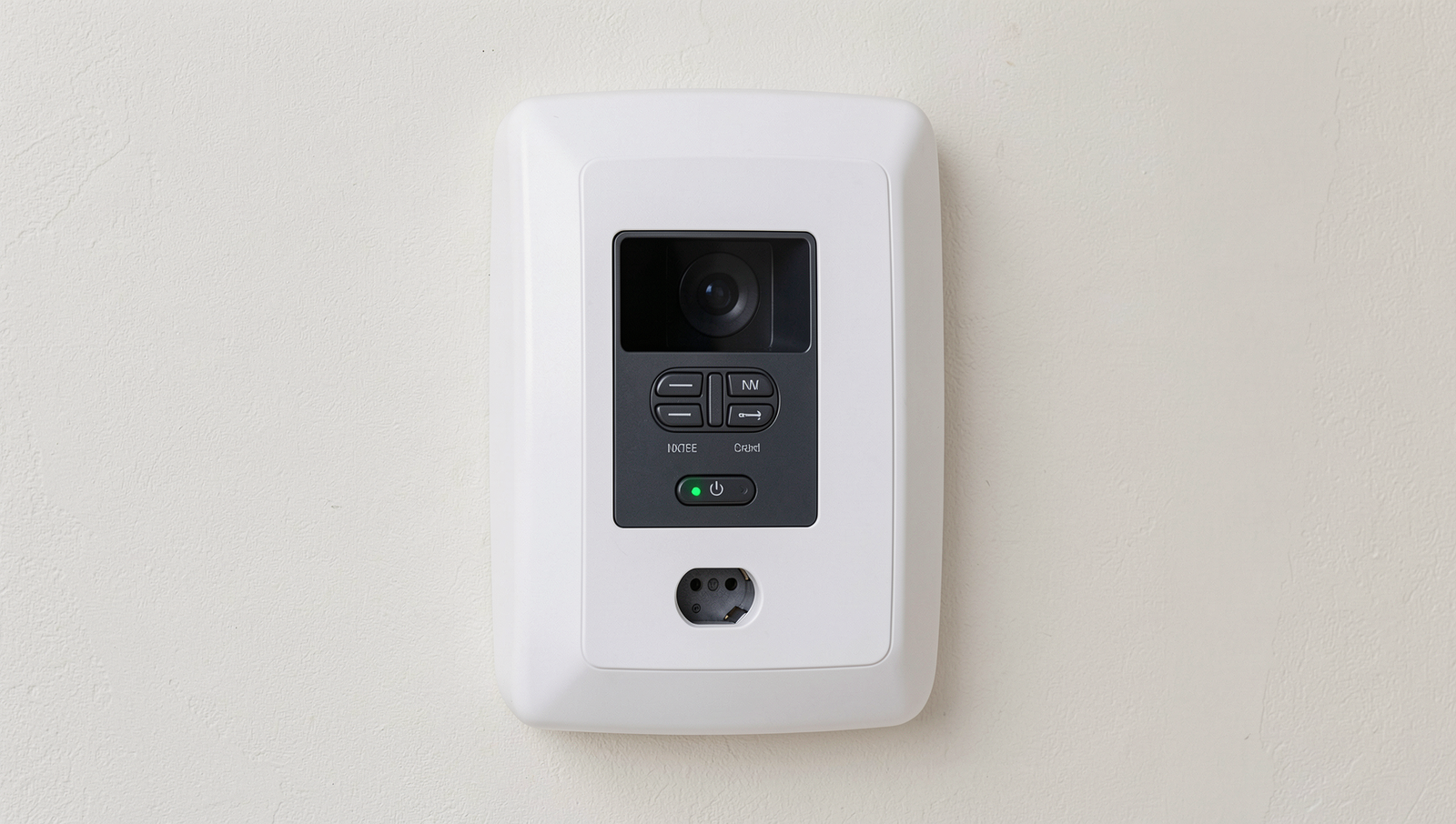
As smart home technology trends continue to evolve, home security innovations are becoming increasingly sophisticated and user-friendly. One of the most significant advancements in this area is the introduction of smart locks. These devices allow homeowners to secure their doors without traditional keys, using mobile apps or biometric data such as fingerprints. Smart locks can be programmed to grant access to family members, friends, or service providers, providing a level of convenience and security that traditional locks cannot match.
Another notable innovation is the use of surveillance cameras equipped with facial recognition technology. These cameras can identify familiar faces and alert homeowners when an unknown individual is detected. This feature not only enhances security but also provides peace of mind, as homeowners can monitor their property in real-time from anywhere in the world.
Remote monitoring capabilities are also a crucial aspect of modern home security. Homeowners can now access live feeds from their security cameras, receive notifications about unusual activity, and even control their security systems from their smartphones. This level of control allows for immediate responses to potential threats, making homes safer than ever before.
- Integration of alarm systems with mobile apps allows for seamless management of security settings.
- Smart doorbells with video capabilities enable homeowners to see and communicate with visitors remotely.
- Automated lighting systems can simulate occupancy, deterring potential intruders.
Overall, these innovations in home security are transforming how homeowners protect their properties, making smart home technology trends an essential consideration for modern living.
Health and Wellness Technologies
As smart home technology trends continue to evolve, one of the most significant areas of focus is health and wellness. The integration of technology into our living spaces is transforming how we monitor and improve our health, creating environments that promote well-being and comfort.
One of the key innovations in this field is the use of smart air quality monitors. These devices can detect pollutants, allergens, and other harmful particles in the air, providing real-time data to homeowners. By alerting users to poor air quality, these monitors help ensure healthier living environments. For example, a smart air quality monitor can notify you when it’s time to ventilate your home or when to change air filters, significantly improving indoor air quality.
Wearable devices are another crucial component of health-focused smart home technology. These gadgets, such as fitness trackers and smartwatches, can sync with home systems to provide comprehensive health tracking. They can monitor heart rates, sleep patterns, and physical activity levels, allowing users to make informed decisions about their health. For instance, a wearable device might suggest adjustments to your daily routine based on your activity levels and sleep quality.
Automated lighting systems also play a vital role in promoting better sleep patterns. Smart lighting can adjust the intensity and color of light based on the time of day, helping to regulate circadian rhythms. For example, warmer tones in the evening can signal to your body that it’s time to wind down, while brighter, cooler tones in the morning can help you wake up more naturally.
Finally, smart kitchens are revolutionizing nutrition tracking. With smart appliances, users can monitor their food intake and receive personalized meal suggestions based on dietary preferences and health goals. These kitchens can even suggest recipes based on the ingredients available, making healthy eating more accessible and enjoyable.
In summary, the integration of health and wellness technologies within smart homes is not just a trend; it is a significant shift towards healthier living. By leveraging these innovations, homeowners can create environments that support their well-being and enhance their quality of life.
The Future of Smart Home Automation
As smart home technology trends continue to evolve, voice control and natural language processing are becoming integral components of modern living. Consumers are increasingly seeking systems that can understand and respond to natural language commands, making interactions more intuitive. For instance, devices like Amazon Alexa and Google Assistant allow users to control lighting, temperature, and security systems simply by speaking. This trend not only enhances convenience but also promotes accessibility for individuals with disabilities.
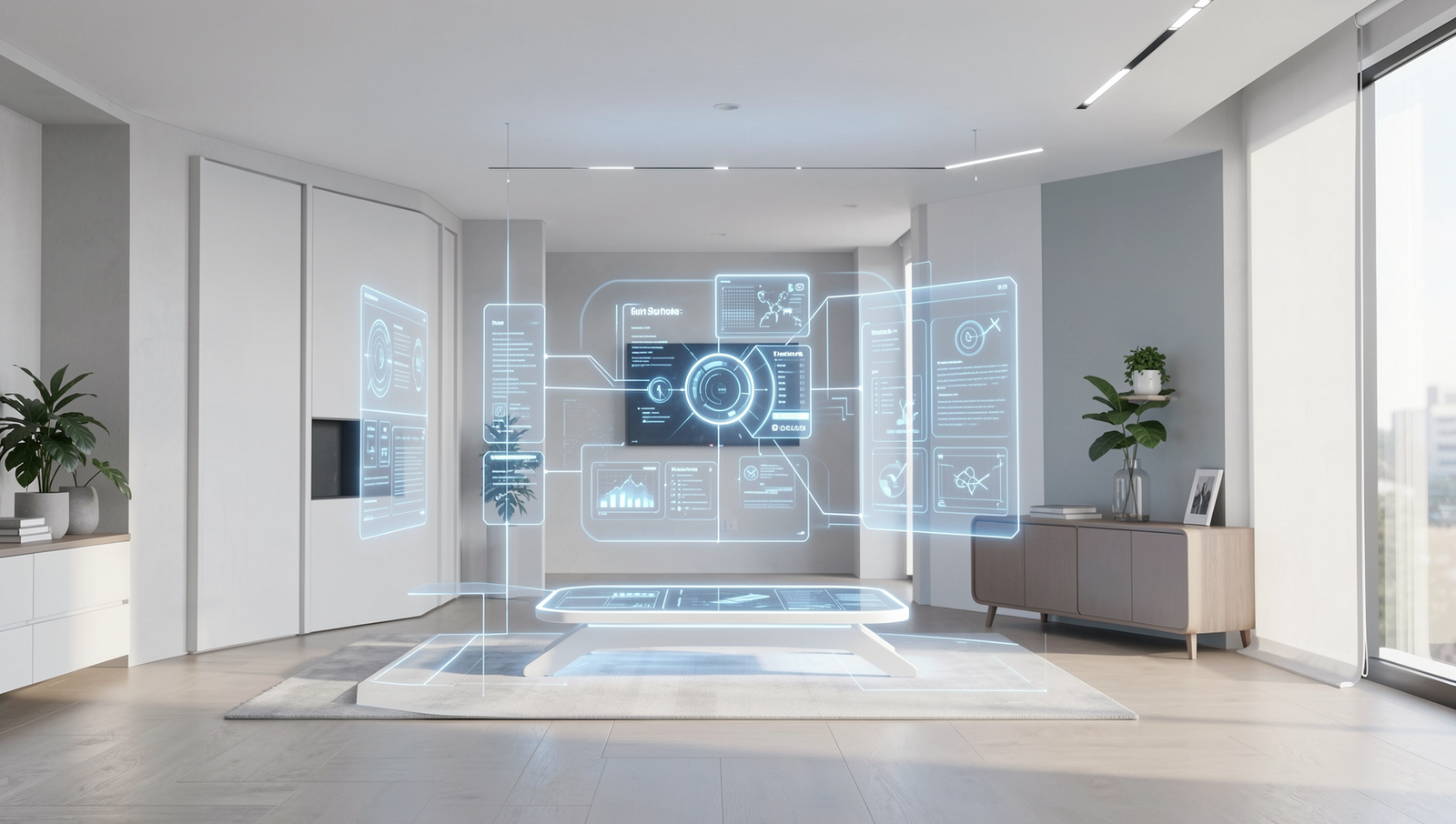
Another significant trend is the integration of augmented reality (AR) into home design and management. AR applications enable homeowners to visualize changes in their living spaces before making physical alterations. For example, a user can use an AR app to see how new furniture would look in their home or to plan the layout of smart devices for optimal efficiency. This technology not only aids in design but also simplifies the management of smart home devices, allowing users to interact with their systems in a more engaging way.
Looking ahead, predictions for smart home technology in the next decade suggest a surge in interconnected devices, with an emphasis on energy efficiency and sustainability. As consumers become more eco-conscious, smart home systems will likely incorporate features that monitor energy usage and suggest ways to reduce consumption.
- Increased reliance on AI for predictive maintenance of home appliances.
- Enhanced security features utilizing biometric data.
- Greater integration with smart city infrastructure.
With these advancements, consumer expectations will rise, driving market growth and innovation in the smart home sector. As technology becomes more affordable and user-friendly, the adoption of smart home solutions is expected to reach unprecedented levels.
Conclusion
In summary, smart home technology trends are significantly transforming modern living by enhancing convenience, security, and energy efficiency. With the integration of devices such as smart thermostats, security cameras, and voice-activated assistants, homeowners