

9 min read • 1,847 words
The Future of Everyday Living: Trends, Ideas, and Lifestyle Changes
The future of everyday living is rapidly evolving, driven by advancements in technology and a growing awareness of sustainability. As we navigate through these changes, it becomes essential to understand how smart home technology will increasingly integrate into our daily routines, allowing for seamless automation that enhances convenience and efficiency. This article will explore various trends shaping our lives, from the rise of remote work to the increasing popularity of sustainable living practices like zero waste and minimalism. These shifts not only reflect changing consumer preferences but also highlight the importance of adapting to a more conscious way of living.
Moreover, health and wellness technologies, including wearables and telehealth, are revolutionizing personal health management, making it easier for individuals to monitor their well-being. Additionally, the growing trend toward plant-based diets is influencing food production and consumer choices, promoting healthier lifestyles. By examining these trends, readers will gain insights into how to embrace the future of everyday living effectively.

Emerging Technologies Shaping Daily Life
The future of everyday living is being significantly influenced by emerging technologies that enhance convenience, health, and sustainability. One of the most notable advancements is the integration of artificial intelligence (AI) in home automation systems. Smart home devices, powered by AI, can learn user preferences and adjust settings accordingly. For instance, smart thermostats can optimize heating and cooling based on occupancy patterns, leading to improved comfort and energy savings.
Wearable technology has also seen remarkable advancements, particularly in health monitoring. Devices like smartwatches and fitness trackers now offer features such as heart rate monitoring, sleep tracking, and even blood oxygen level measurements. These tools empower individuals to take charge of their health by providing real-time data and insights, which can lead to better lifestyle choices.
Another significant trend is the rise of smart appliances, which are designed to enhance energy efficiency. For example, smart refrigerators can monitor food inventory and suggest recipes based on available ingredients, while smart washing machines can optimize water and energy usage. This not only reduces utility bills but also contributes to a more sustainable lifestyle.
Finally, virtual reality (VR) is transforming leisure activities by providing immersive experiences that were previously unimaginable. From virtual travel to interactive gaming, VR allows users to explore new worlds and engage in activities that promote relaxation and entertainment, redefining how we spend our free time.
- AI in home automation enhances comfort and efficiency.
- Wearable tech promotes proactive health management.
- Smart appliances reduce energy consumption and waste.
- Virtual reality offers new dimensions of leisure and entertainment.
Sustainable Living Practices
As we look towards the future of everyday living, sustainable practices are becoming increasingly vital. One of the most notable trends is the rise of zero-waste lifestyles and minimalism. Individuals are actively seeking ways to reduce their waste output by embracing practices such as composting, using reusable containers, and opting for products with minimal packaging. This shift not only helps the environment but also encourages a more intentional way of living.
Innovations in renewable energy are also transforming households. Solar panels, wind turbines, and energy-efficient appliances are becoming more accessible and affordable. Homeowners are now able to generate their own electricity, significantly reducing their carbon footprint. For example, many are installing solar panels on rooftops, which can lead to substantial savings on energy bills while promoting a greener lifestyle.
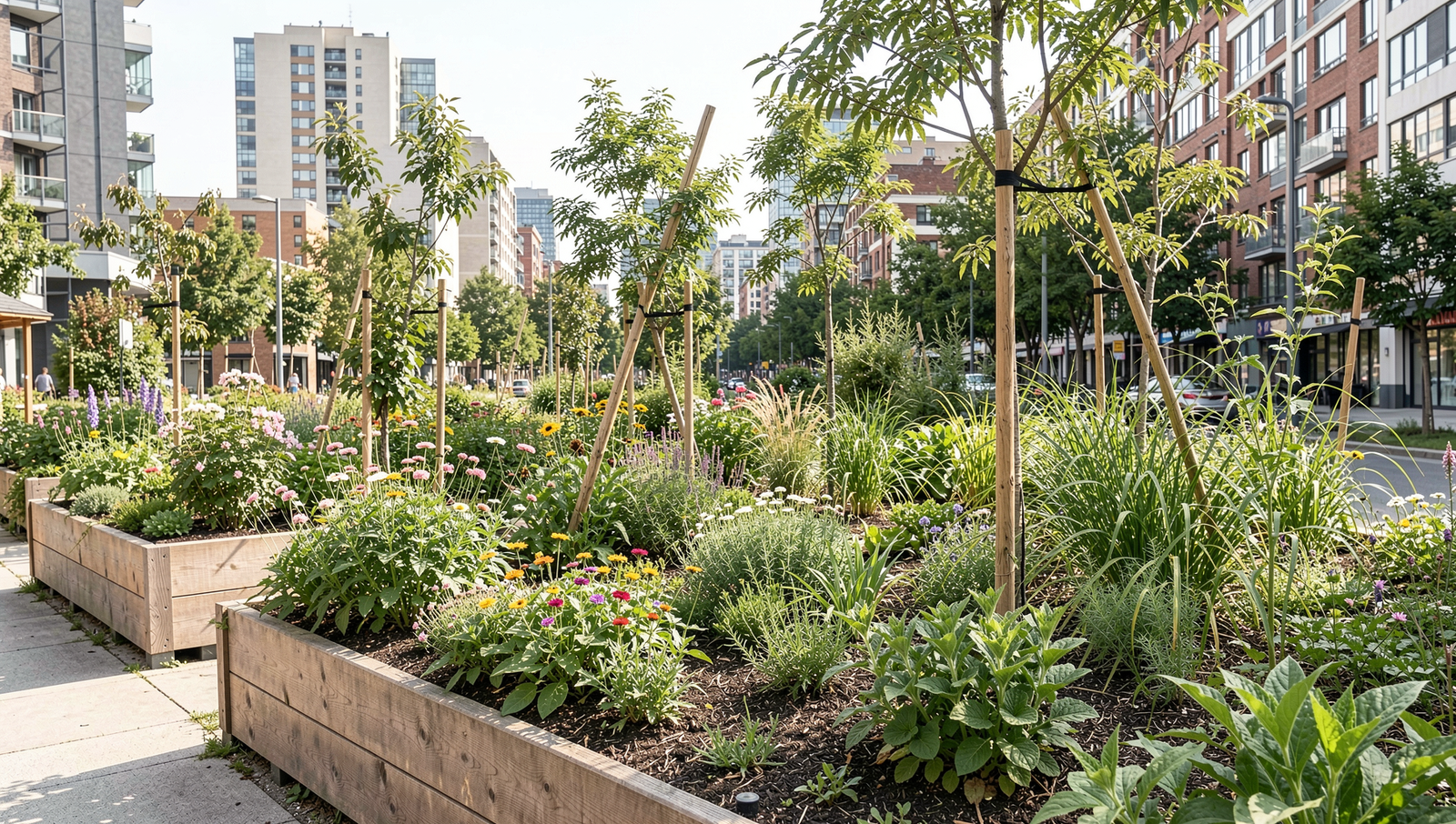
Urban gardening and local food production are gaining traction as well. With the increasing awareness of food miles and the benefits of fresh produce, many city dwellers are turning to community gardens and rooftop farms. These initiatives not only provide fresh fruits and vegetables but also foster community connections and enhance urban biodiversity.
- Community-supported agriculture (CSA) programs
- Vertical gardens in small spaces
- Hydroponics and aquaponics systems for home use
The impact of eco-friendly products on consumer choices cannot be overlooked. As more brands prioritize sustainability, consumers are increasingly opting for biodegradable, recyclable, and ethically sourced products. This shift in purchasing behavior is shaping the market and encouraging companies to adopt greener practices, ultimately leading to a more sustainable future for everyday living.

Health and Wellness Trends
As we look towards the future of everyday living, health and wellness trends are evolving to meet the demands of a more conscious society. One significant shift is the increased focus on mental health and mindfulness practices. People are recognizing the importance of mental well-being alongside physical health. Techniques such as meditation, yoga, and mindfulness-based stress reduction are becoming integral parts of daily routines. Apps like Headspace and Calm are leading the way in making these practices accessible to everyone.
Another trend gaining momentum is the popularity of plant-based diets and heightened nutrition awareness. Many individuals are opting for vegetarian or vegan lifestyles, driven by health benefits and environmental concerns. This shift is supported by a growing array of plant-based products available in grocery stores, making it easier for consumers to make healthier choices. Research indicates that diets rich in fruits, vegetables, and whole grains can significantly improve overall health.
Fitness technology is also revolutionizing how we approach exercise. Wearable devices like fitness trackers and smartwatches provide personalized workout plans and real-time feedback, allowing users to monitor their progress effectively. This technology empowers individuals to tailor their fitness journeys according to their specific goals.
Lastly, telehealth services are transforming healthcare accessibility. Virtual consultations allow patients to connect with healthcare providers from the comfort of their homes, making it easier to receive timely medical advice. This trend is particularly beneficial for those in remote areas or with mobility challenges, ensuring that quality healthcare is within reach for everyone.

Remote Work and Digital Nomadism
The future of everyday living is being reshaped significantly by the evolution of remote work culture, especially in the wake of the pandemic. As organizations adapted to the challenges posed by COVID-19, many discovered that remote work not only maintained productivity but often enhanced it. This shift has led to a more permanent embrace of flexible work arrangements, allowing employees to work from virtually anywhere.
Several tools and platforms have emerged to facilitate this new way of working. Applications like Zoom, Slack, and Trello have become staples for remote collaboration, enabling teams to communicate effectively and manage projects seamlessly. Additionally, cloud storage solutions such as Google Drive and Dropbox allow for easy access to shared documents, fostering a collaborative environment regardless of geographical location.
The rise of digital nomadism has also had a profound impact on urban development. Cities are now rethinking their infrastructure to accommodate a more transient population that seeks coworking spaces, reliable internet access, and vibrant communities. This trend has led to the growth of coworking hubs in urban centers and even rural areas, making it easier for remote workers to find suitable environments that inspire creativity and productivity.
However, the shift to remote work is not without its challenges. Many individuals struggle with work-life balance, as the boundaries between personal and professional life can blur. To mitigate these challenges, it is essential for remote workers to establish clear routines and set designated workspaces to maintain productivity while ensuring personal time is respected.

Social Connectivity and Community Engagement
As we look toward the future of everyday living, social connectivity and community engagement are evolving in remarkable ways. The rise of online communities and social platforms has transformed how individuals interact, share ideas, and build relationships. Platforms like Facebook, Instagram, and Reddit have created spaces where people can connect over shared interests, regardless of geographical barriers. This shift has made it easier for individuals to find like-minded peers and engage in meaningful discussions.
However, the impact of social media on real-life relationships is a double-edged sword. While these platforms can enhance connectivity, they can also lead to superficial interactions that lack depth. Many people find themselves spending more time online than engaging in face-to-face conversations, which can diminish the quality of their personal relationships. It is essential to strike a balance between online engagement and real-world connections.
Trends in volunteering and community service are also gaining momentum. More individuals are seeking opportunities to give back to their communities, driven by a desire to make a difference. This trend is evident in the increasing participation in local charities, environmental initiatives, and social justice movements. Many organizations now leverage social media to mobilize volunteers and raise awareness about their causes.
- Community clean-up events
- Food drives and donation campaigns
- Local workshops and skill-sharing sessions
Finally, local events play a crucial role in fostering community ties. Farmers’ markets, festivals, and neighborhood gatherings provide opportunities for residents to connect, share experiences, and build lasting relationships. These events not only strengthen community bonds but also contribute to a sense of belonging, which is vital for overall well-being in the future of everyday living.
Future of Transportation and Mobility
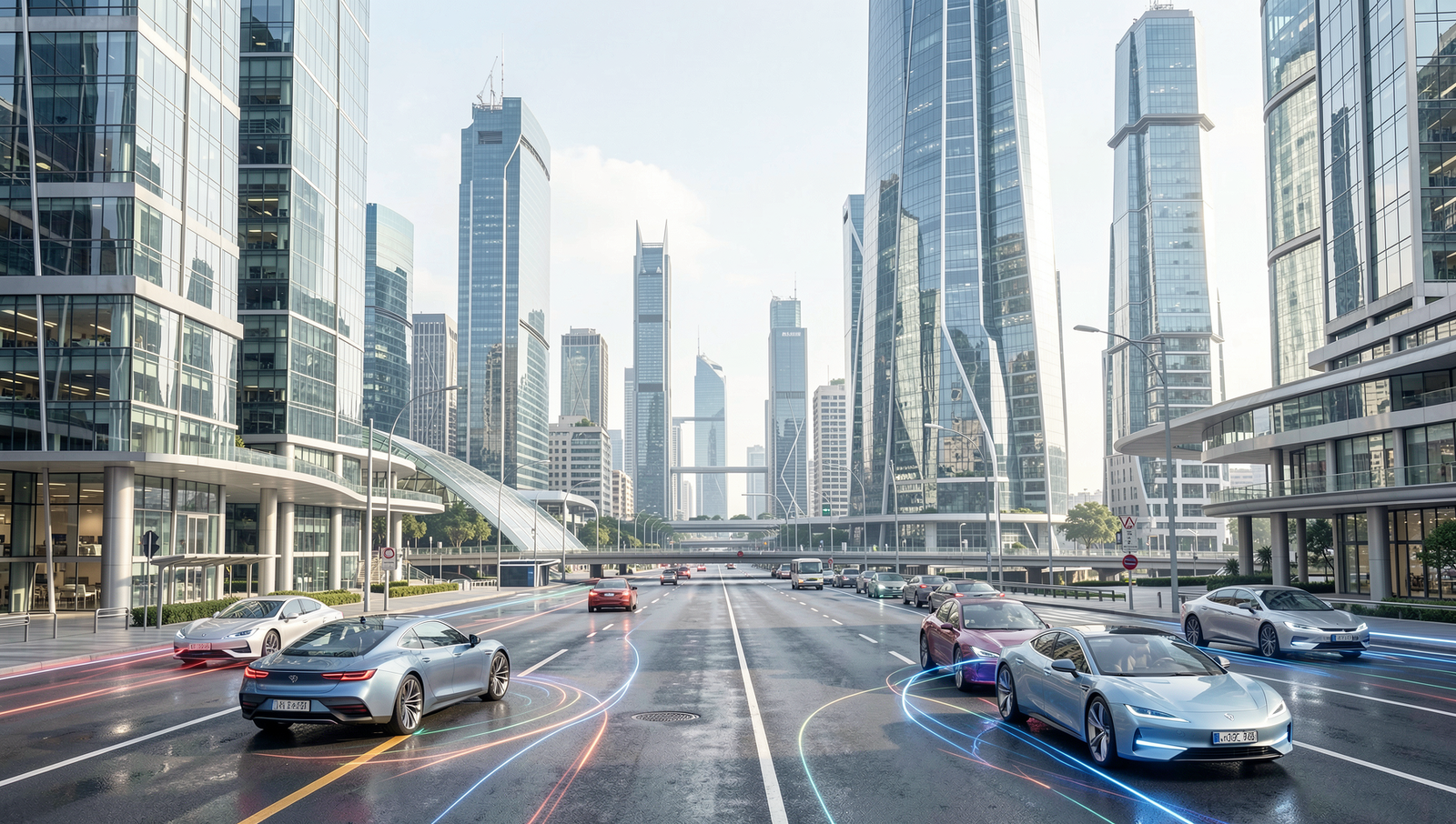
The future of everyday living is significantly shaped by advancements in transportation and mobility. One of the most notable trends is the growth of electric vehicles (EVs). As concerns about climate change intensify, more consumers are opting for EVs, leading to an expansion of charging infrastructure. Cities are increasingly investing in public charging stations, making it more convenient for drivers to transition from traditional gasoline vehicles to electric alternatives. This shift not only reduces carbon emissions but also promotes cleaner air quality in urban areas.
Public transport plays a crucial role in sustainable cities. Efficient public transit systems reduce the number of cars on the road, thereby minimizing traffic congestion and lowering greenhouse gas emissions. Cities are adopting innovative solutions such as dedicated bus lanes, light rail systems, and integrated ticketing systems to enhance the user experience. These improvements aim to make public transport a more attractive option for commuters, ultimately leading to a decrease in reliance on personal vehicles.
Micro-mobility solutions, such as e-scooters and bike-sharing programs, are also gaining traction. These options provide flexible and convenient ways to navigate urban environments, especially for short distances. Many cities have embraced these solutions by creating designated lanes and parking areas, ensuring safety for users and pedestrians alike.
- Growth of electric vehicles and charging infrastructure
- Enhanced public transport systems for sustainability
- Innovations in micro-mobility solutions
- Impact of autonomous vehicles on urban planning
Finally, the rise of autonomous vehicles is set to transform urban planning. As self-driving technology matures, cities will need to rethink road layouts, parking spaces, and traffic management systems to accommodate these vehicles. This evolution could lead to more pedestrian-friendly environments, as the need for extensive parking areas diminishes.
Conclusion
As we look towards the future of everyday living, it is clear that technology, sustainability, and health will play pivotal roles in shaping our daily experiences. The integration of smart home devices, eco-friendly practices, and wellness-focused lifestyles are not just trends but essential shifts that promise to enhance our quality of life. By embracing these changes, individuals