9 min read • 1,847 words
The Complete Guide to Creating a Healthy and Positive Daily Routine
In today’s fast-paced world, establishing a healthy daily routine is more important than ever. A well-structured routine not only enhances productivity but also contributes to overall well-being. By incorporating elements like morning rituals, physical activity, and mindfulness practices, you can significantly improve your mental health and focus. This guide will provide you with practical tips and strategies to create a daily routine that fosters positivity and health.
Readers will learn how to establish a morning routine that sets the tone for the day, the benefits of consistent sleep schedules, and the importance of healthy eating habits. Additionally, we will explore how regular physical activity and mindfulness can lead to reduced stress and improved mood. By the end of this guide, you’ll be equipped with the knowledge to transform your daily habits into a powerful tool for a healthier, more fulfilling life.

Understanding the Importance of a Daily Routine
Establishing a healthy daily routine is essential for fostering a balanced and fulfilling life. A well-structured routine provides numerous benefits that can significantly enhance both mental and physical well-being. One of the primary advantages of having a daily routine is the sense of stability it offers. Knowing what to expect each day can reduce anxiety and create a feeling of control over one’s life.
Moreover, routines can play a crucial role in improving mental health. By incorporating activities such as meditation, exercise, and journaling into a daily schedule, individuals can cultivate mindfulness and reduce stress. For example, starting the day with a 10-minute meditation session can set a positive tone and help clear the mind for the challenges ahead.
In terms of productivity, a healthy daily routine can lead to better time management and increased efficiency. When tasks are organized and prioritized, individuals are less likely to procrastinate. Consider creating a to-do list each morning, outlining the most important tasks to accomplish. This simple practice can enhance focus and motivation throughout the day.
Additionally, routines have a significant impact on physical health. Regular meal times, consistent sleep schedules, and scheduled exercise can lead to improved energy levels and overall well-being. For instance, dedicating specific times for physical activity, such as a morning jog or evening yoga, can promote a healthier lifestyle and contribute to long-term fitness goals.
- Provides stability and reduces anxiety
- Enhances mental clarity and focus
- Improves time management and productivity
- Promotes physical health through regular activity

Assessing Your Current Lifestyle
Creating a healthy daily routine begins with a thorough assessment of your current lifestyle. Self-reflection is essential to understanding your habits and identifying areas that need improvement. Take some time to think about your daily activities, energy levels, and overall well-being. Ask yourself questions like: What do I do first thing in the morning? How do I spend my evenings? Am I getting enough physical activity?
To facilitate this self-reflection, consider using a checklist of daily activities. This checklist can help you visualize how you spend your time and highlight patterns in your behavior. Here’s a sample checklist to get you started:
- Wake up time
- Breakfast choices
- Work or study hours
- Physical activity (type and duration)
- Social interactions
- Leisure activities
- Bedtime routine
Tracking your routines for a week can provide valuable insights. Use a journal or a digital app to log your activities, noting how you feel after each one. This practice will help you identify not only what you do but also how those activities impact your mood and energy levels.
After a week of tracking, review your notes and identify areas for improvement. Perhaps you notice that you spend too much time on social media or skip meals. Recognizing these patterns is the first step toward building a healthier daily routine.

Setting Realistic Goals for Your Routine
Creating a healthy daily routine begins with setting realistic goals that align with your lifestyle and aspirations. One effective method for goal setting is the SMART criteria, which stands for Specific, Measurable, Achievable, Relevant, and Time-bound. By applying these principles, you can ensure that your goals are well-defined and attainable.
- Specific: Clearly outline what you want to achieve. Instead of saying, “I want to exercise more,” specify, “I will walk for 30 minutes every morning.”
- Measurable: Establish criteria for measuring progress. For example, “I will track my water intake and aim for eight glasses a day.”
- Achievable: Set goals that are realistic given your current circumstances. If you’re new to running, aim for a 5K instead of a marathon.
- Relevant: Ensure your goals align with your overall health objectives. If your aim is to reduce stress, consider incorporating daily meditation.
- Time-bound: Set a deadline for your goals. For instance, “I will read one book per month to enhance my knowledge.”
It’s also important to differentiate between short-term and long-term goals. Short-term goals, such as drinking more water or adding a 10-minute stretch to your morning routine, can provide quick wins and motivation. Long-term goals, like losing weight or improving mental health, require sustained effort and commitment.
Flexibility is crucial in goal setting. Life can be unpredictable, and it’s essential to adapt your goals as needed. If you find that a particular goal is too challenging or no longer aligns with your priorities, don’t hesitate to adjust it. For example, if daily yoga becomes overwhelming, consider practicing three times a week instead.
By setting realistic and flexible goals, you can create a healthy daily routine that promotes well-being and personal growth.
Creating a Balanced Daily Schedule
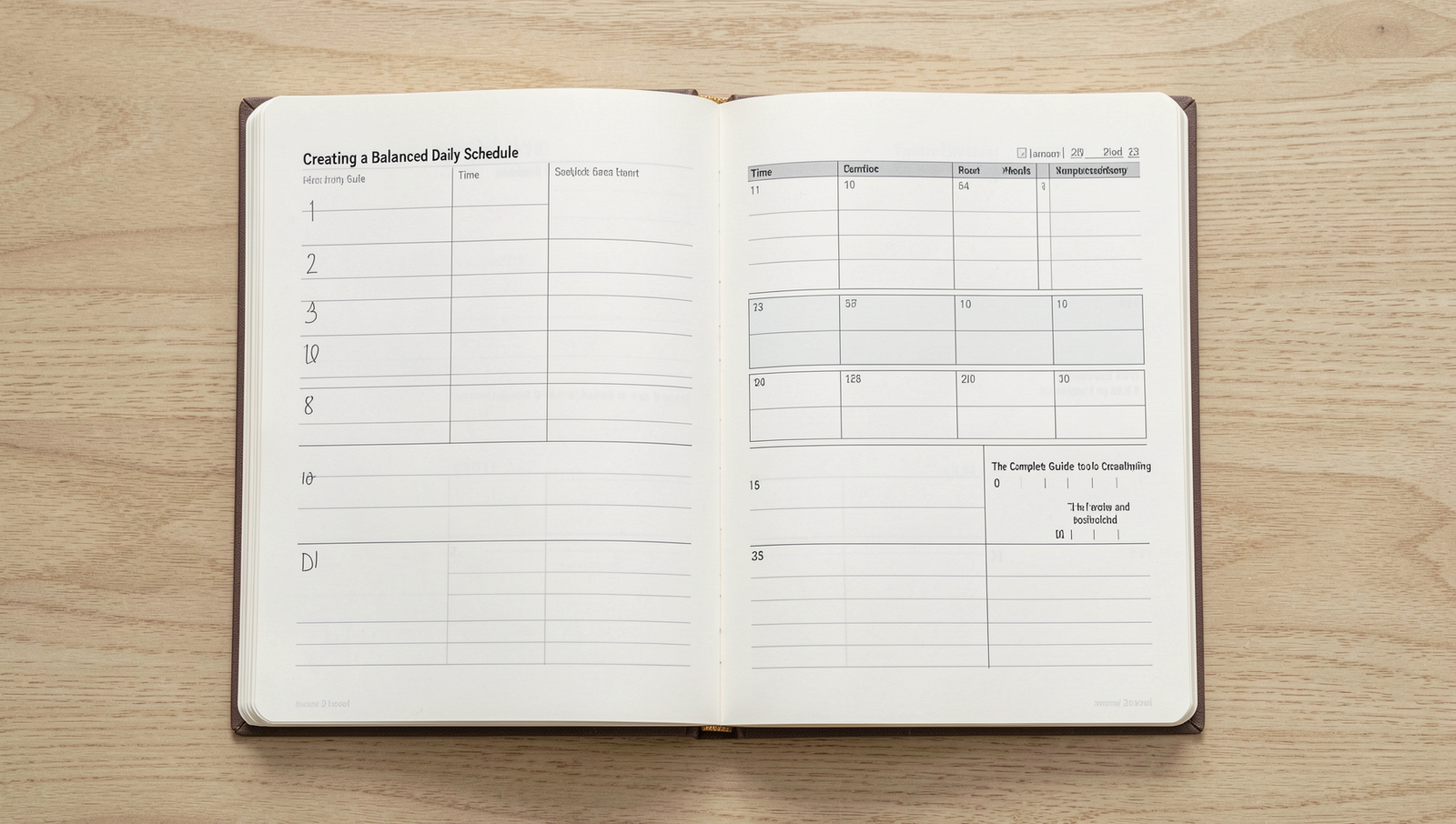
Establishing a balanced daily schedule is crucial for maintaining a healthy daily routine. One effective method to enhance productivity and efficiency is time-blocking. This technique involves dividing your day into blocks of time, each dedicated to specific tasks or activities. For instance, you might allocate two hours in the morning for focused work, followed by a 30-minute break, then another block for meetings or collaborative tasks. This structured approach helps minimize distractions and keeps you on track.
Moreover, achieving a work-life balance is essential for overall well-being. It’s important to set boundaries between work and personal life. Consider designating specific hours for work and ensuring that you disconnect from work-related tasks during your personal time. This separation allows you to recharge and engage in activities that bring you joy.
Incorporating breaks and leisure activities into your daily routine is equally important. Regular breaks can improve focus and prevent burnout. Try scheduling short breaks every hour or so, and use this time to stretch, take a walk, or practice mindfulness. Additionally, make time for hobbies or social activities that you enjoy, as these can significantly enhance your mood and energy levels.
Lastly, never underestimate the role of sleep in your daily routine. Quality sleep is vital for cognitive function and emotional health. Aim for 7-9 hours of sleep each night, and establish a calming bedtime routine to signal to your body that it’s time to wind down. Prioritizing sleep will help you feel more refreshed and ready to tackle the day ahead.

Incorporating Healthy Habits into Your Routine
Creating a healthy daily routine is essential for maintaining overall well-being. By incorporating specific healthy habits into your day, you can enhance your physical and mental health. Here are some essential habits to consider:
- Start your day with a nutritious breakfast.
- Stay hydrated by drinking plenty of water throughout the day.
- Incorporate fruits and vegetables into every meal.
- Set aside time for regular physical activity, aiming for at least 30 minutes a day.
- Practice mindfulness or meditation to reduce stress.
- Ensure you get adequate sleep each night, aiming for 7-9 hours.
Nutrition plays a crucial role in a healthy daily routine. A balanced diet rich in whole foods, such as lean proteins, whole grains, and healthy fats, fuels your body and mind. Additionally, staying hydrated is vital; aim for at least eight 8-ounce glasses of water daily. This helps maintain energy levels and supports bodily functions.
Regular physical activity is another cornerstone of a healthy routine. Whether it’s a brisk walk, a yoga session, or a gym workout, find an activity you enjoy and make it a part of your day. This not only improves physical health but also boosts mood and mental clarity.
Lastly, incorporating mindfulness and relaxation techniques can significantly enhance your daily routine. Consider practices such as deep breathing, journaling, or guided meditation to help manage stress and promote a positive mindset.

Evaluating and Adjusting Your Routine
Creating a healthy daily routine is an ongoing process that requires regular evaluation and adjustment. To ensure that your routine remains effective and aligned with your goals, it is essential to reflect on its effectiveness periodically. This reflection can help you identify what works well and what may need improvement.
One effective method for tracking your progress is to maintain a journal or use a digital app. In your journal, you can note down your daily activities, how you felt during those activities, and any challenges you faced. This practice not only helps you stay accountable but also provides insight into patterns that may need addressing. Consider including the following in your tracking:
- Daily mood and energy levels
- Completion of tasks and goals
- Time spent on self-care activities
- Social interactions and their impact on your day
Once you have gathered sufficient data, it’s time to analyze it. Look for trends that indicate when you feel most productive or when you struggle to stay motivated. This analysis will guide you on when and how to make necessary adjustments. For instance, if you notice that you are consistently tired in the afternoons, you might consider adjusting your lunch break or incorporating a short walk to boost your energy.
Staying motivated is crucial for maintaining a healthy daily routine. Set small, achievable goals and celebrate your successes, no matter how minor they may seem. Regularly revisiting your goals and adjusting your routine will keep you engaged and committed to your healthy lifestyle.
Conclusion
Creating a healthy daily routine is essential for fostering both physical and mental well-being. By incorporating balanced nutrition, regular exercise, and adequate rest into your daily life, you can significantly enhance your overall health. Additionally, integrating mindfulness practices and setting achievable goals can lead to improved focus and productivity. The benefits of a structured routine extend beyond just physical health; they also promote emotional stability and resilience, helping you navigate daily challenges with greater ease.
As you embark on the journey to establish your own healthy daily routine, start by identifying the habits that resonate most with you. Gradually incorporate these practices into your life, ensuring that you remain flexible and adaptable. Remember, consistency is key, but so is the ability to adjust your routine as needed. By prioritizing your health and well-being, you set the foundation for a more fulfilling and balanced life.
Frequently Asked Questions